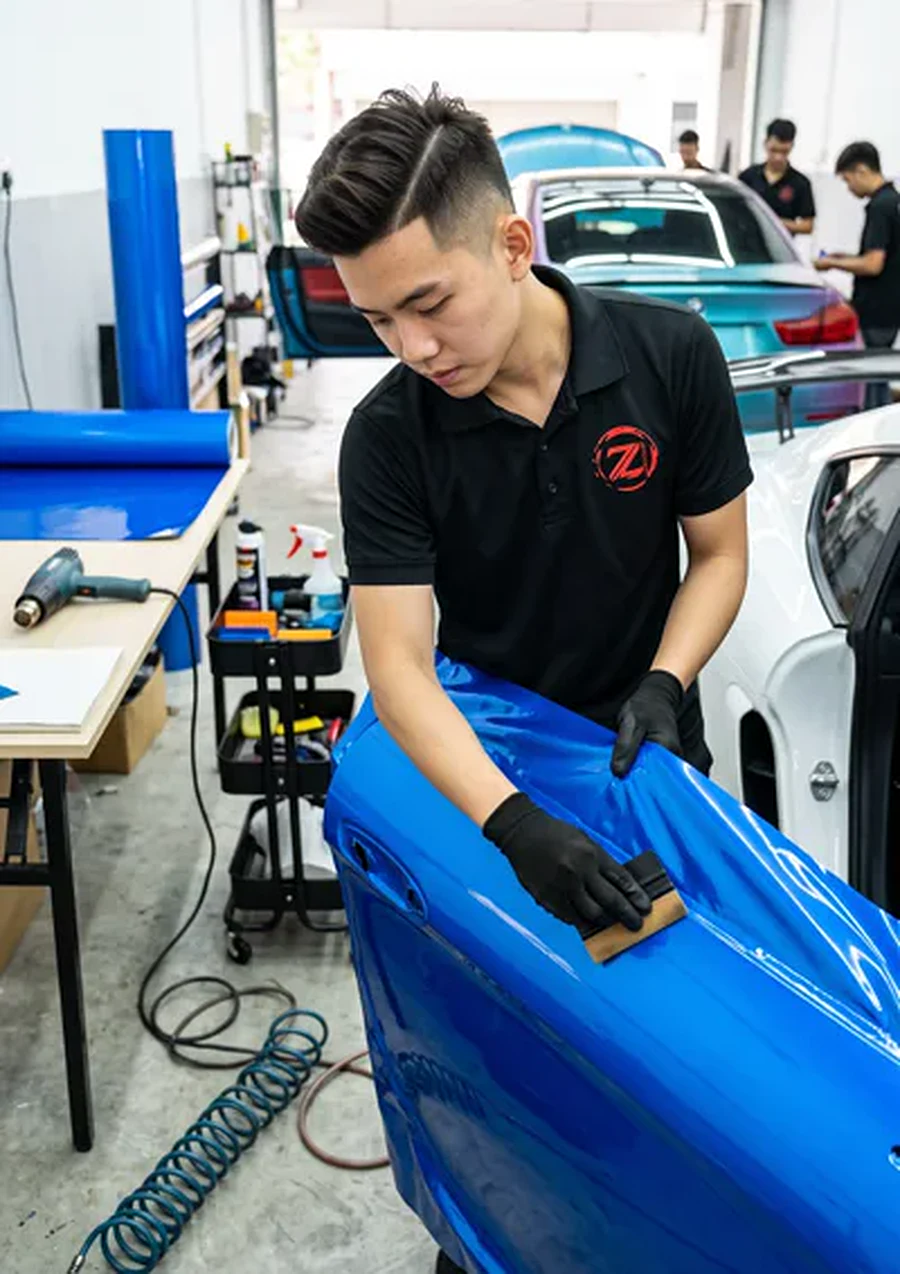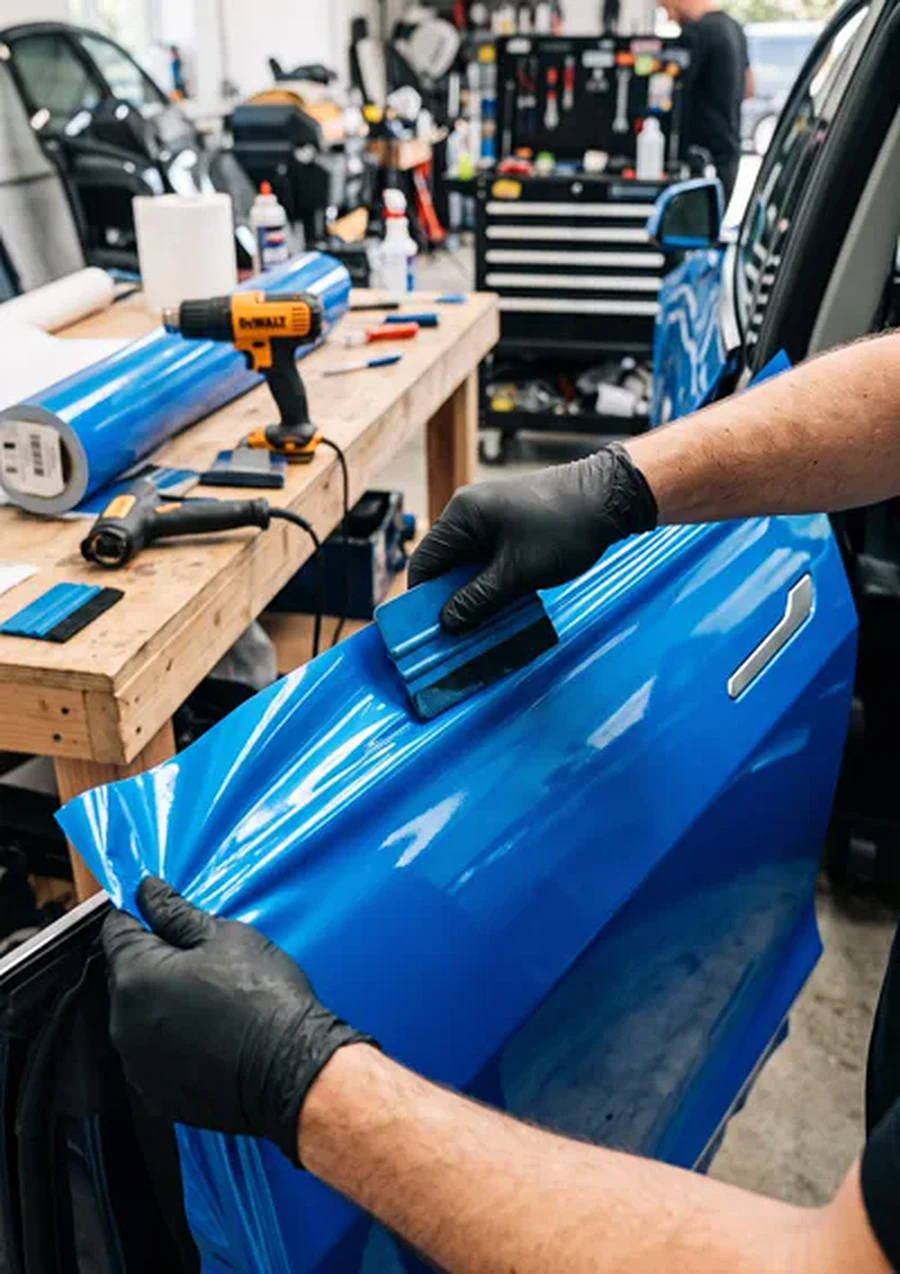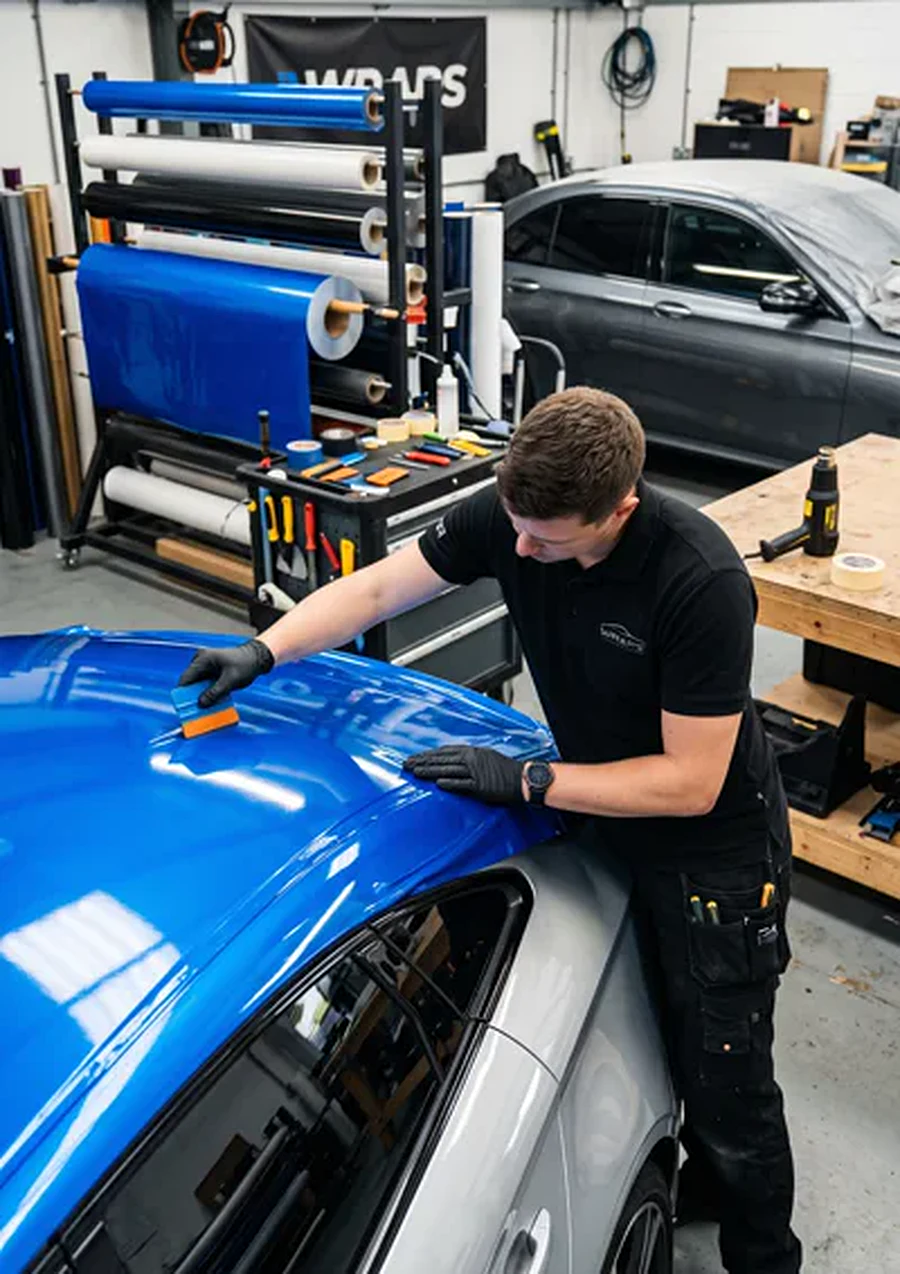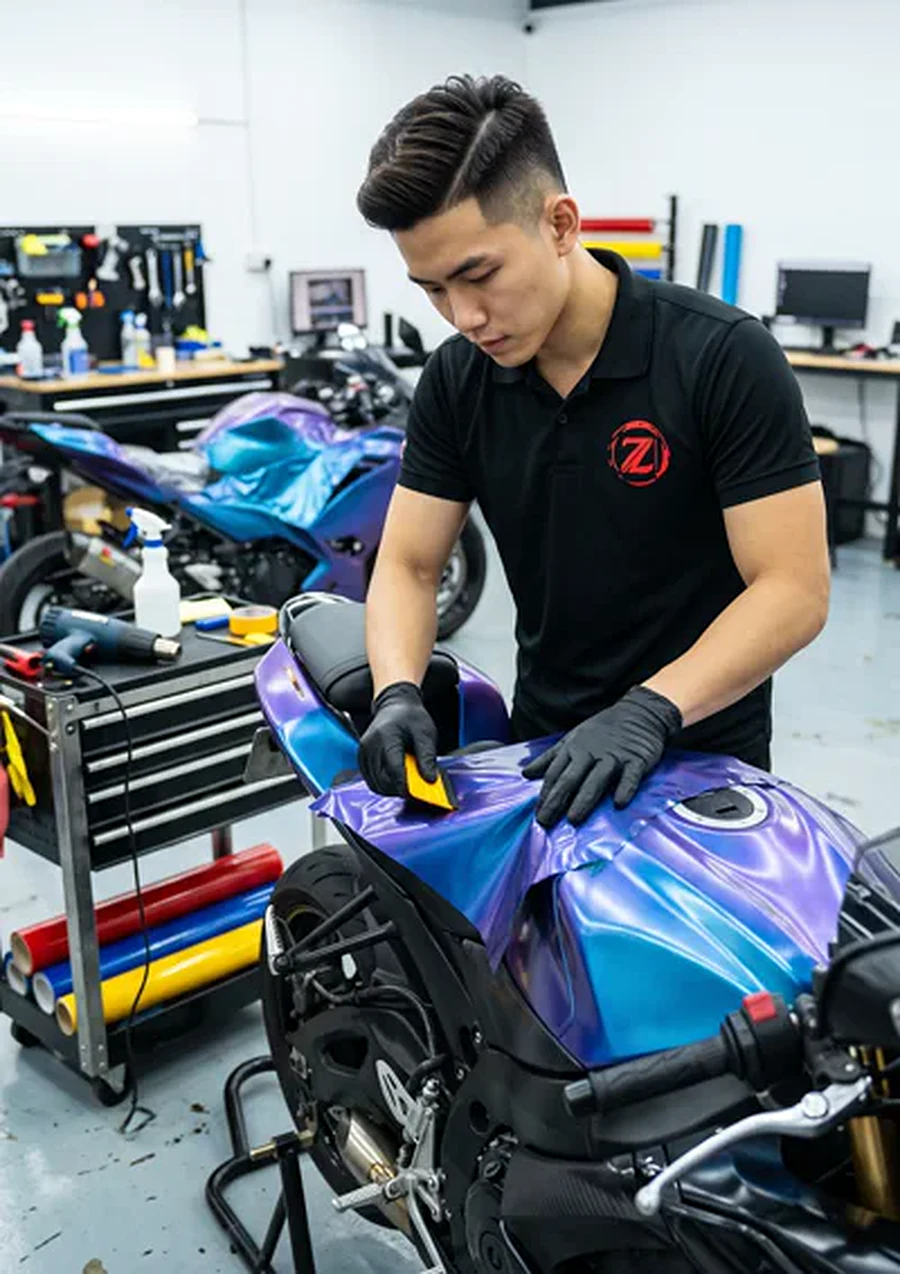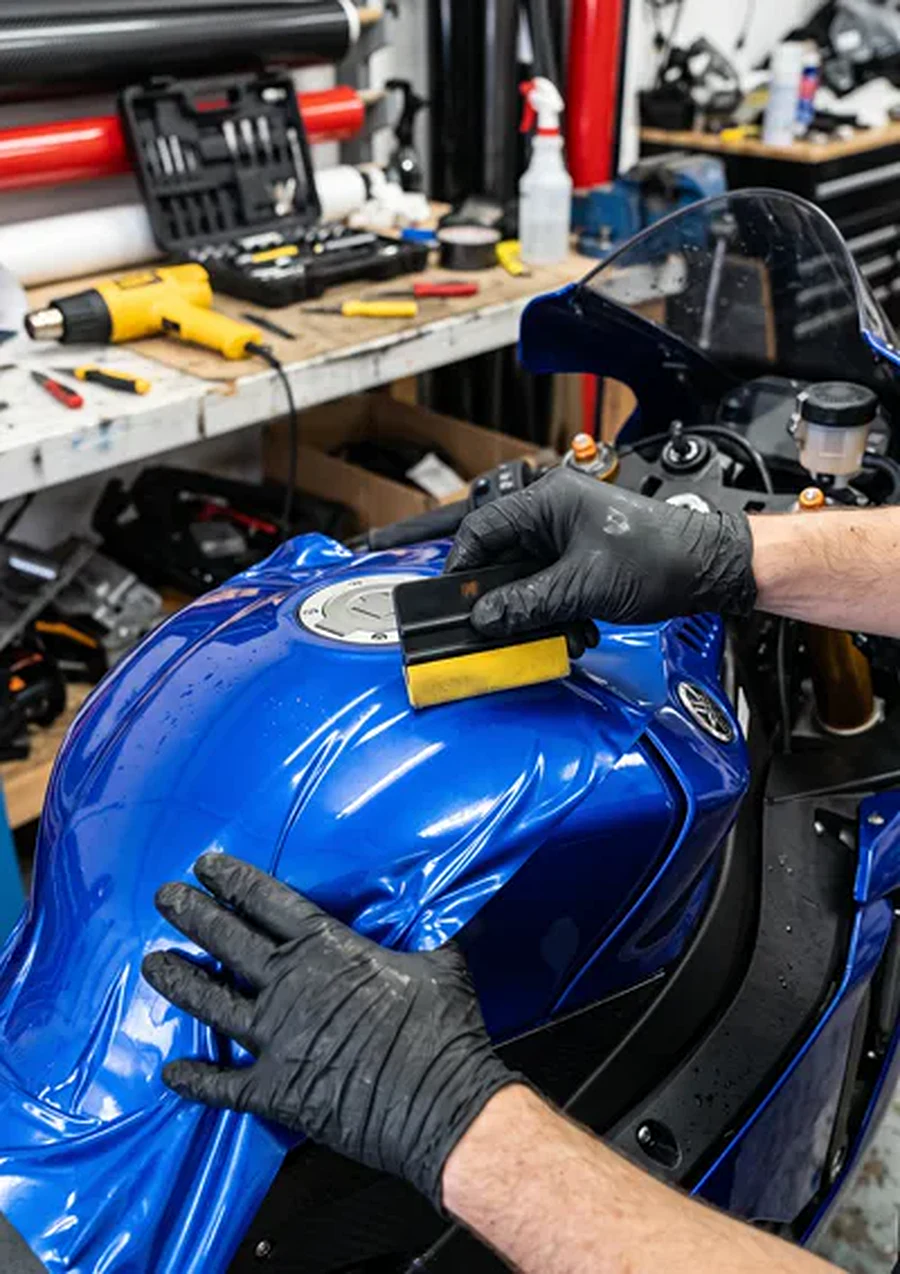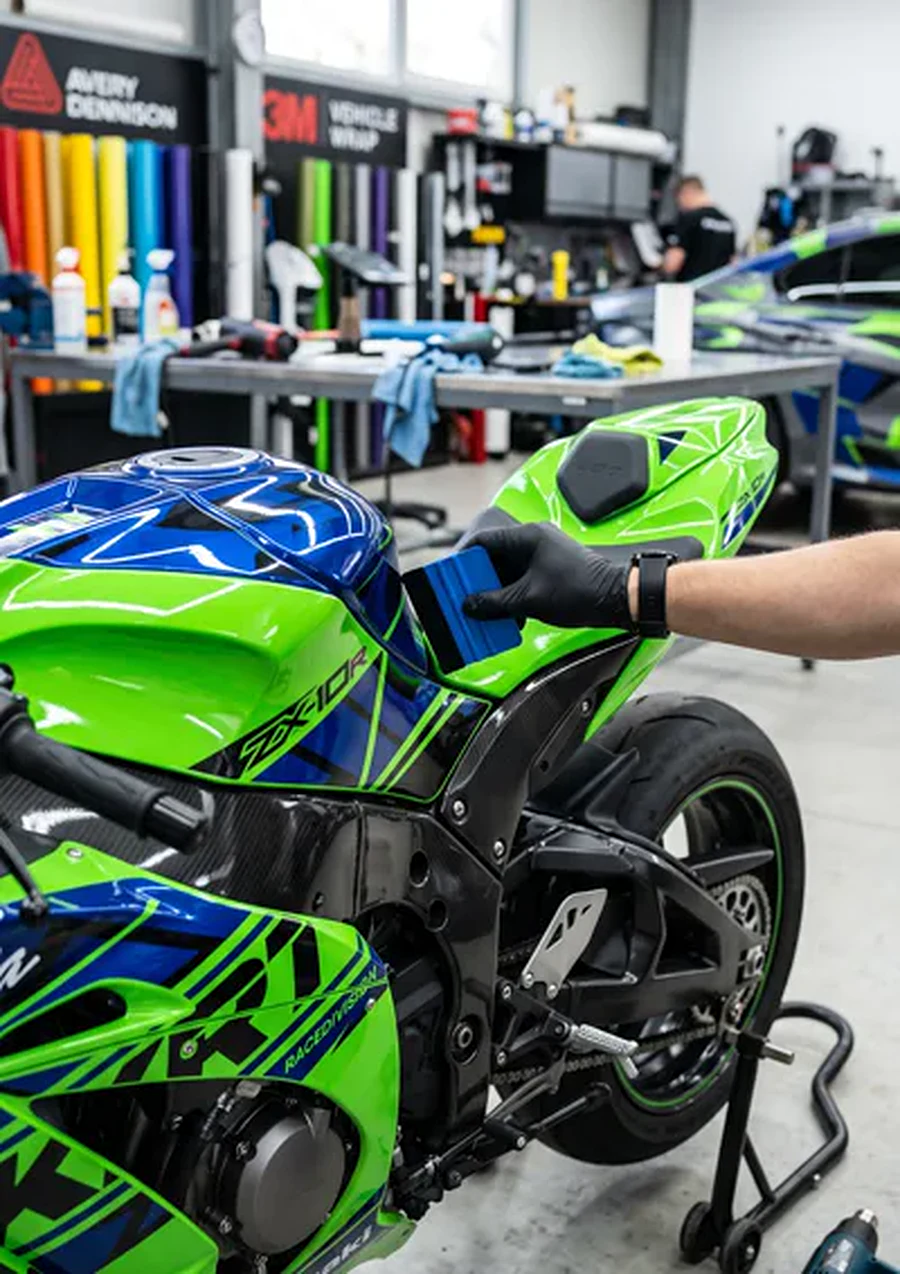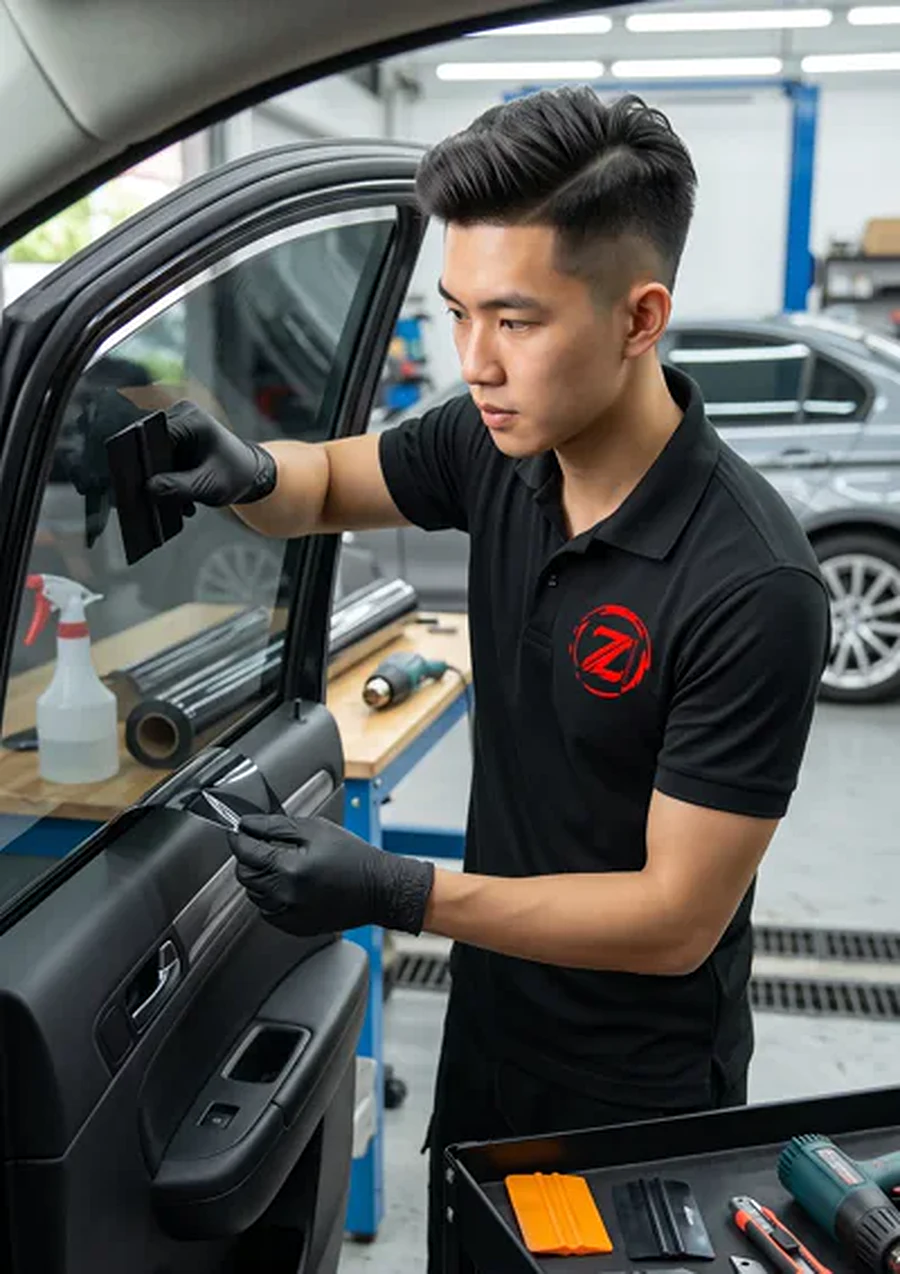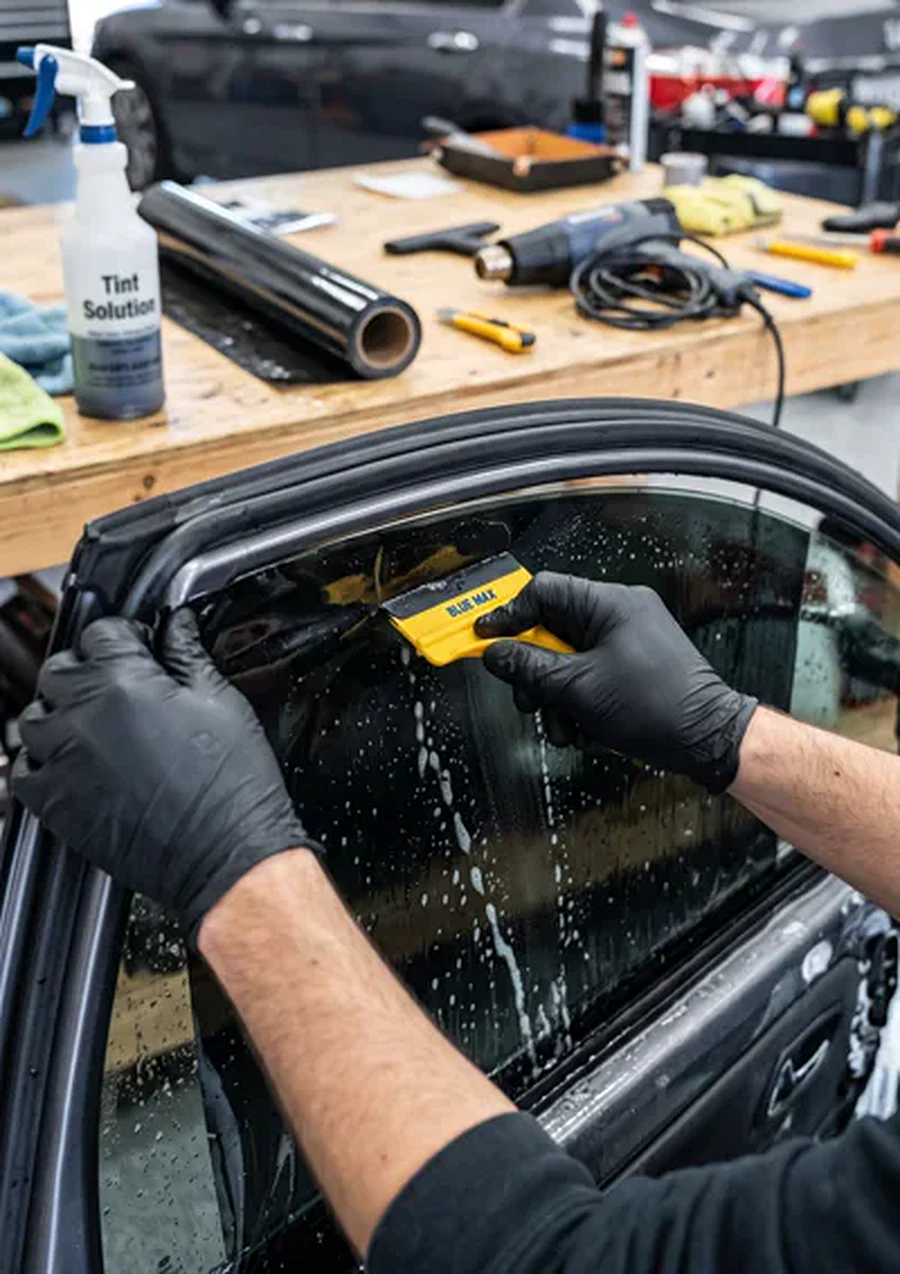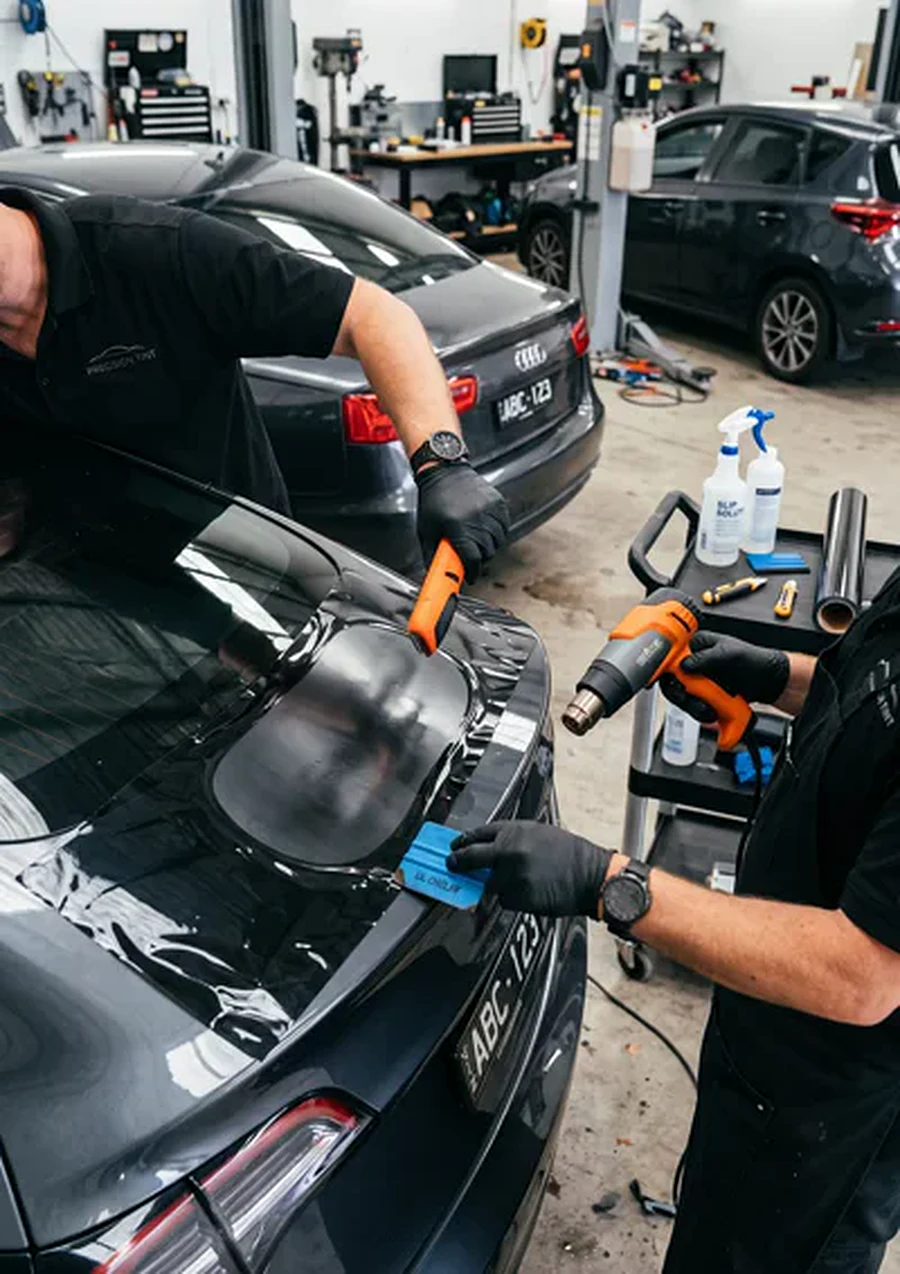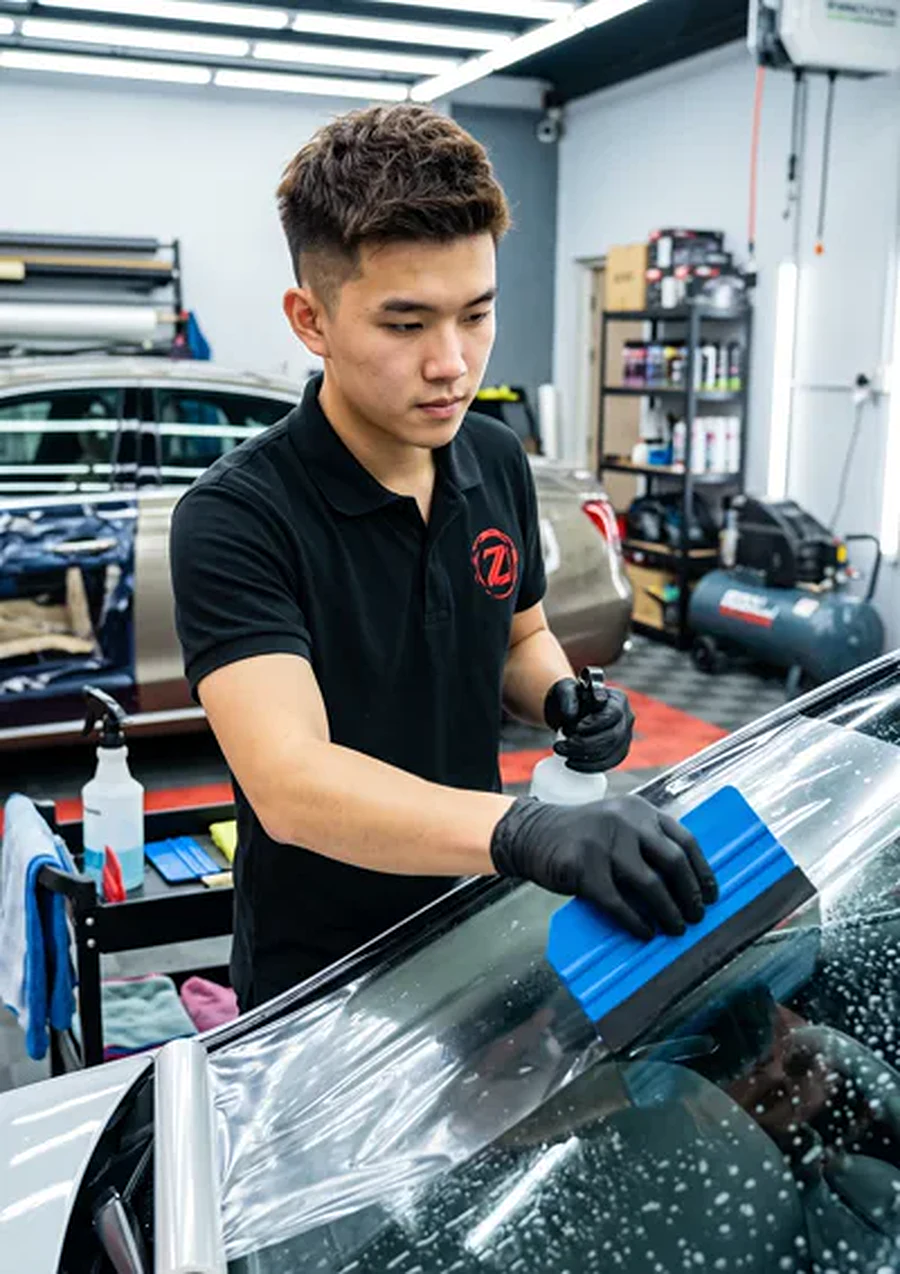
A few areas of the car should never be wrapped: rubber seals and flexible trim (vinyl doesn’t flex the same way and peels off), unpainted or textured plastic like some door handles and bumper trim (poor adhesion), high-heat areas near the exhaust and engine (the film melts or deforms), and the windscreen or front side windows (illegal and unsafe). Rusted or already-failing paint should also be fixed first rather than wrapped over. Everywhere else on a car’s painted body panels is generally fair game for a good installer.
Below is the full breakdown of each no-go area, why it’s a problem, and what a professional installer does instead in these spots.
What Areas Should Never Be Wrapped? Quick Answers
| Area | Wrap it? |
|---|---|
| Painted body panels | Yes |
| Rubber seals & weatherstripping | No |
| Unpainted/textured plastic trim | Usually no |
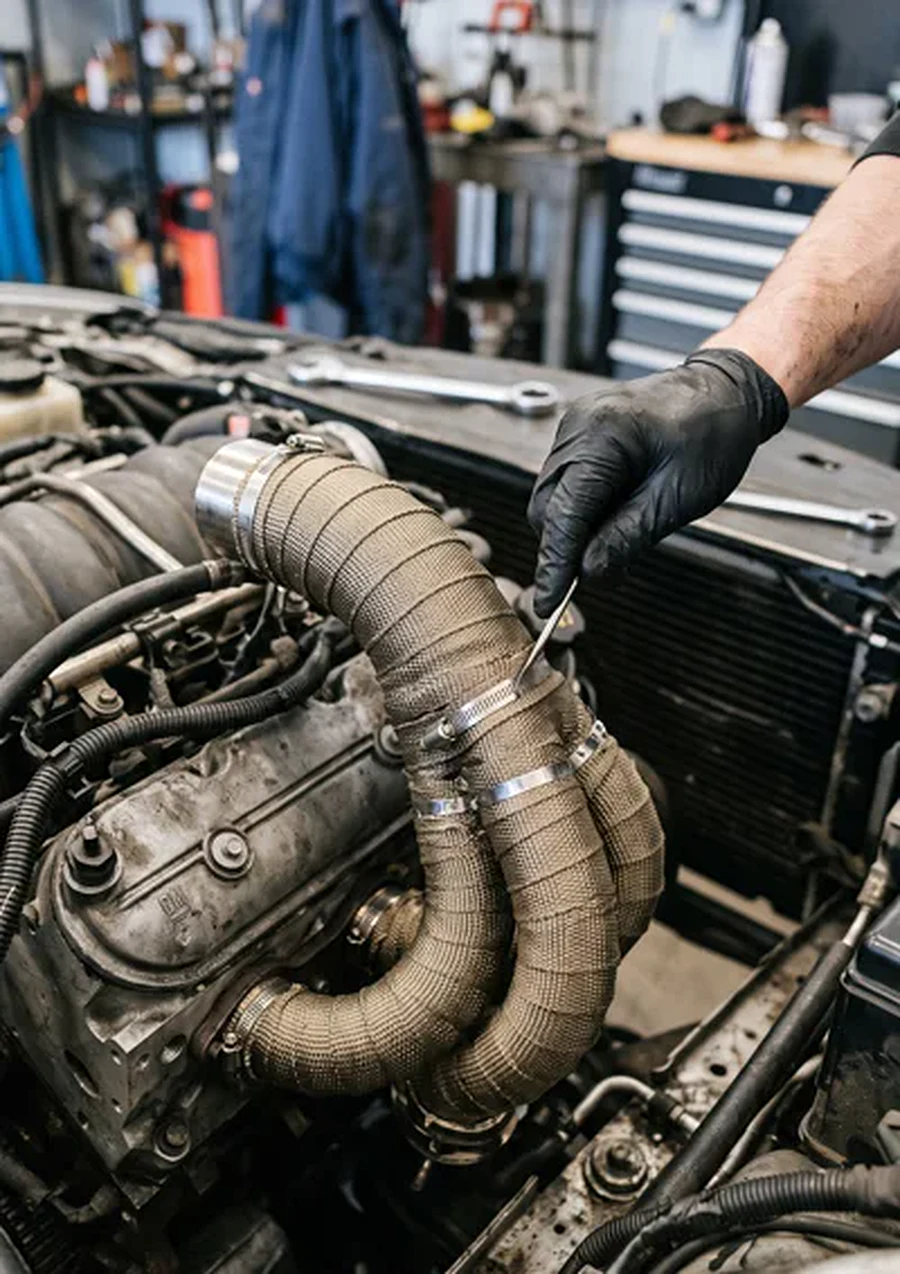
| Exhaust tips & high-heat areas | No (use heat wrap instead) |
| Windscreen & front side windows | No – illegal |
| Rusted or peeling panels | Fix first, then yes |
Areas With Poor Adhesion: Rubber & Unpainted Plastic
Vinyl wrap is designed to bond to smooth, painted surfaces. Rubber window seals, door weatherstripping, and other flexible parts move and flex constantly – the wrap can’t keep up with that movement and typically lifts or peels within weeks. Similarly, unpainted or textured plastic (some door handles, lower bumper trim, and rough-finish mirror caps) has a porous surface that vinyl adhesive struggles to grip properly, leading to early peeling.
A good installer either leaves these pieces unwrapped in their factory finish, or – where the customer wants a colour match – uses a plastic-specific primer or dip-style product instead of standard automotive vinyl, since that’s a different process built for this exact surface type.
This is also why a full car wrap quote usually looks slightly different panel to panel – your installer is mentally mapping which pieces get full vinyl coverage and which stay as-is, rather than treating every part of the exterior identically.
High-Heat & Exhaust Areas
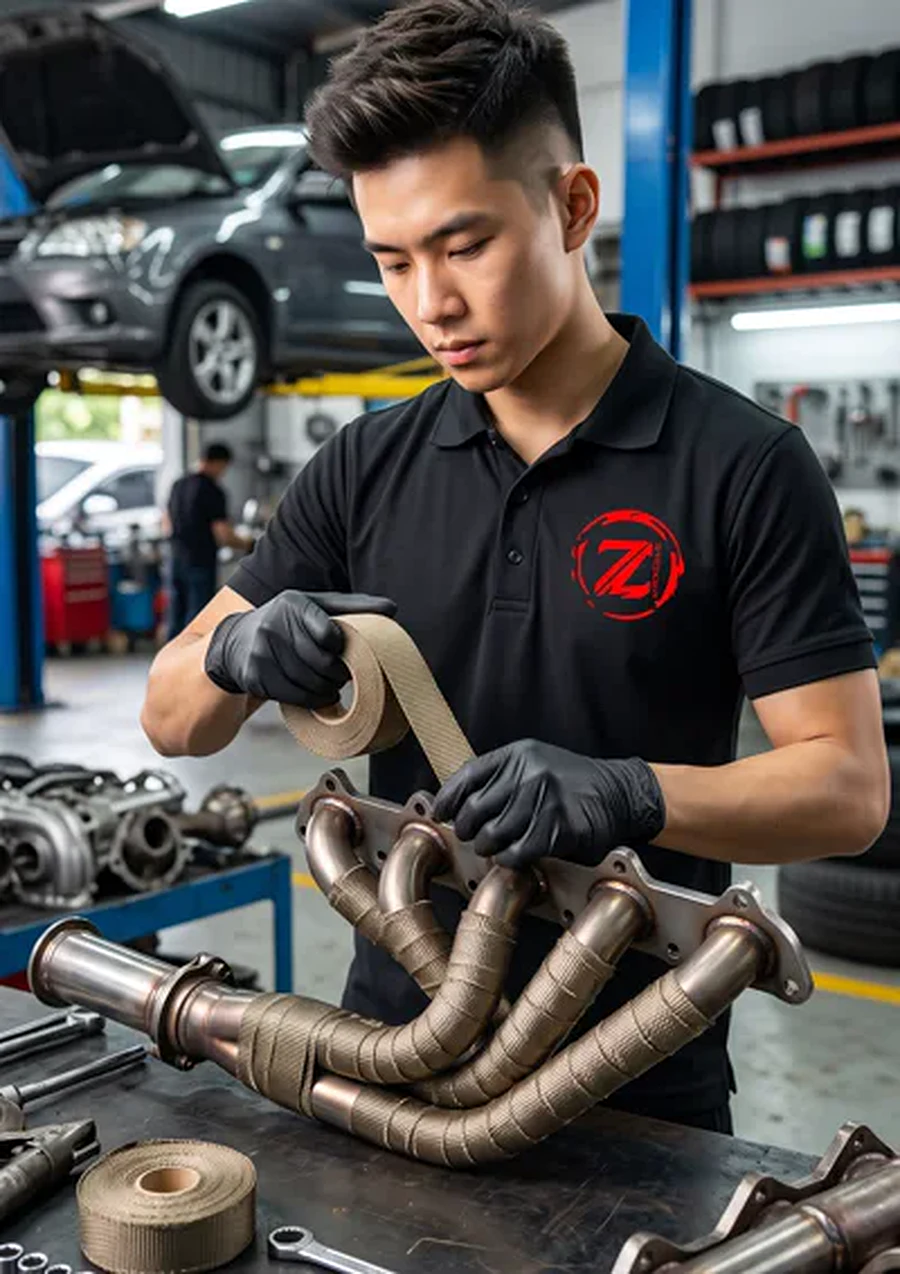
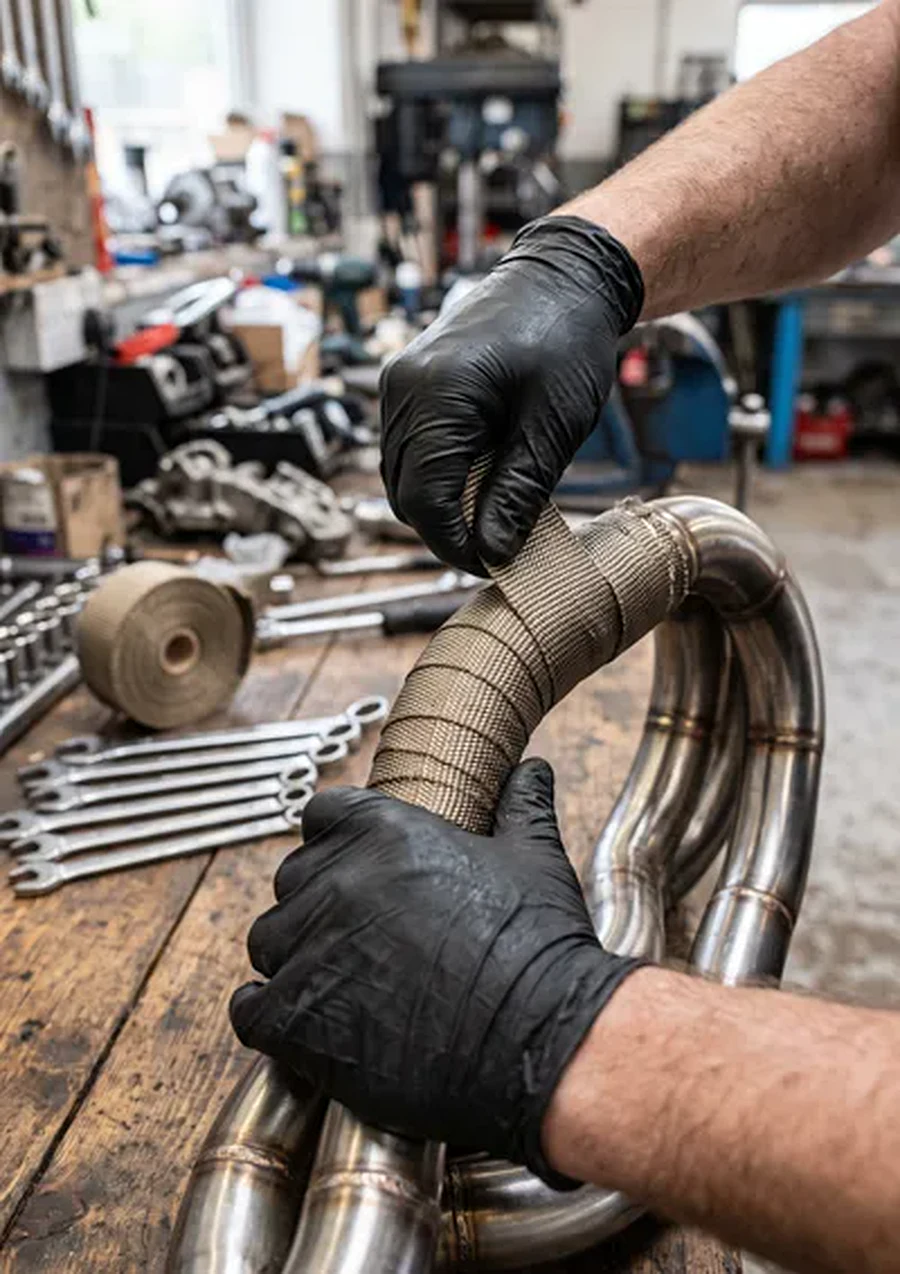
Standard vinyl wrap film isn’t built to survive sustained high heat. Exhaust tips, areas right around the header, and anywhere that regularly gets hot to the touch will cause the film to bubble, discolour, or melt. This is exactly why exhaust heat wrapping is its own separate product – a fibreglass or titanium heat wrap designed specifically for that temperature range, not the same vinyl used on body panels.
The same logic applies to engine bay dress-up work – the finishes used under the bonnet are chosen specifically for heat resistance, and they’re a different category of product from the vinyl film used on exterior panels.
Windows, Windscreen & Lights (Legal Limits)
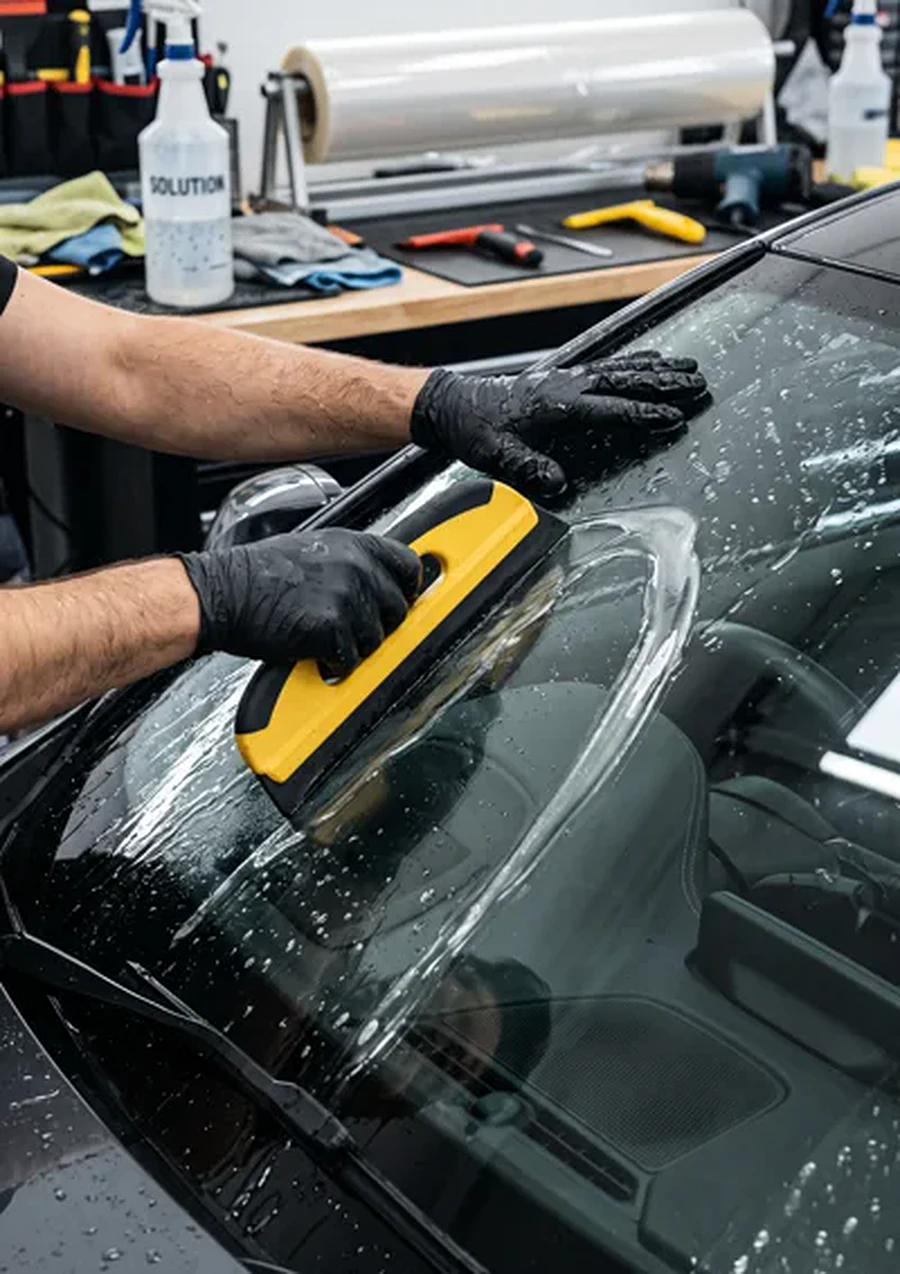
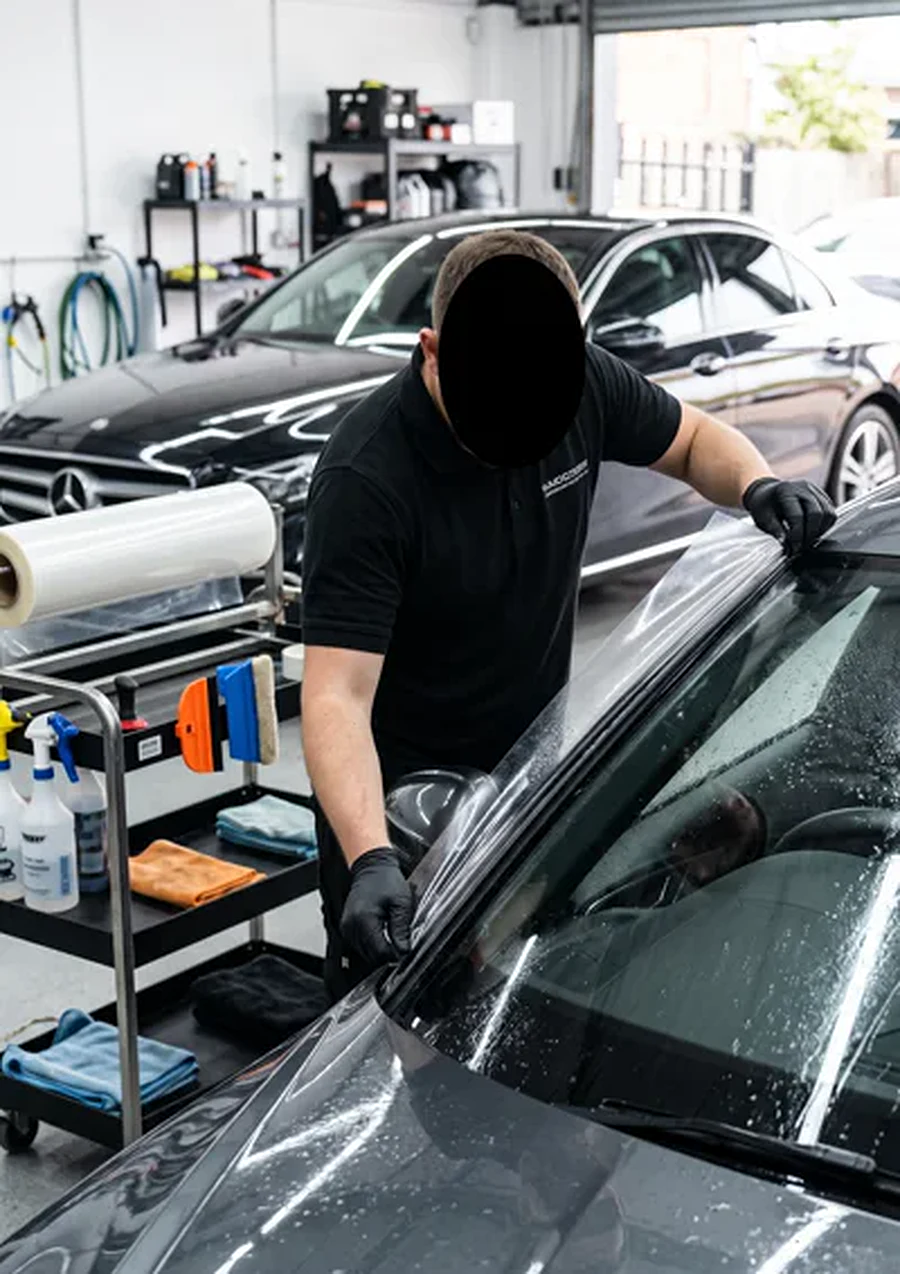
The windscreen and front side windows are off-limits for a full opaque wrap for safety and legal reasons – visibility requirements mean these need to stay clear, similar to the rules around window tint darkness. A light, legal windscreen protection film for chip protection is a different product entirely and is fine. Headlights and taillights can be lightly tinted with a legal film, but a full opaque wrap over lights isn’t done for obvious visibility and safety reasons.
Damaged, Rusted, or Already-Failing Panels
This isn’t a permanent “never” – it’s a “not yet.” Rusted panels, peeling clear coat, and chalky oxidised paint all need to be fixed before wrapping, not covered up. Wrapping over these problems traps moisture against the panel and accelerates the damage, and it usually shows through the film anyway. Once repaired, these panels wrap perfectly normally like any other.
A proper pre-wrap inspection is what catches these issues before they become a bigger problem – it’s worth reading further on what a full pre-wrap check should cover if you’re not sure your car’s paint is in good enough shape to start with.
Questions People Ask
Can door handles ever be wrapped successfully?
Some are fine if they’re smooth and painted; textured or unpainted ones usually aren’t good candidates, and a good installer will tell you which type yours are before starting.
Why can’t I just wrap my windscreen for a tinted look?
It’s both a visibility and legal issue – windscreens and front side windows have strict tint/visibility rules that a full opaque wrap would violate.
Is it ever okay to wrap over a small area of rust?
No – even a small rust spot needs treatment first, since trapping moisture over it under a wrap only speeds up the corrosion.
Can rubber trim be wrapped if it’s flat rather than flexible?
Occasionally, if it’s a rigid rubber-look trim piece rather than a genuinely flexible seal, but it’s always worth asking your installer to assess the specific piece first.
What happens if a previous installer wrapped over an area they shouldn’t have?
It usually shows up as early lifting or peeling in that exact spot – removing the wrap from that area and leaving it in its factory finish (or using a more suitable product) generally resolves it.
Are wing mirrors and door handles always excluded from a full wrap?
Not always – smooth, painted mirror caps and handles wrap just fine; it’s specifically the unpainted or heavily textured ones that are usually left out.
Read next: Can you wrap over scratches or faded paint? · Exhaust heat wrap · Car window tint
Most of a car’s exterior wraps beautifully, but a few specific spots – flexible rubber, unpainted plastic, high-heat areas, and windscreens – are better left alone or handled with a different product entirely. Knowing this upfront helps set the right expectations before your car goes in for a wrap.
Z-Sticker is based in Taman Sentosa, Klang, Selangor, and we’ll walk you through exactly what can and can’t be wrapped on your specific car during your quote. WhatsApp us at +60 16-343 8343.