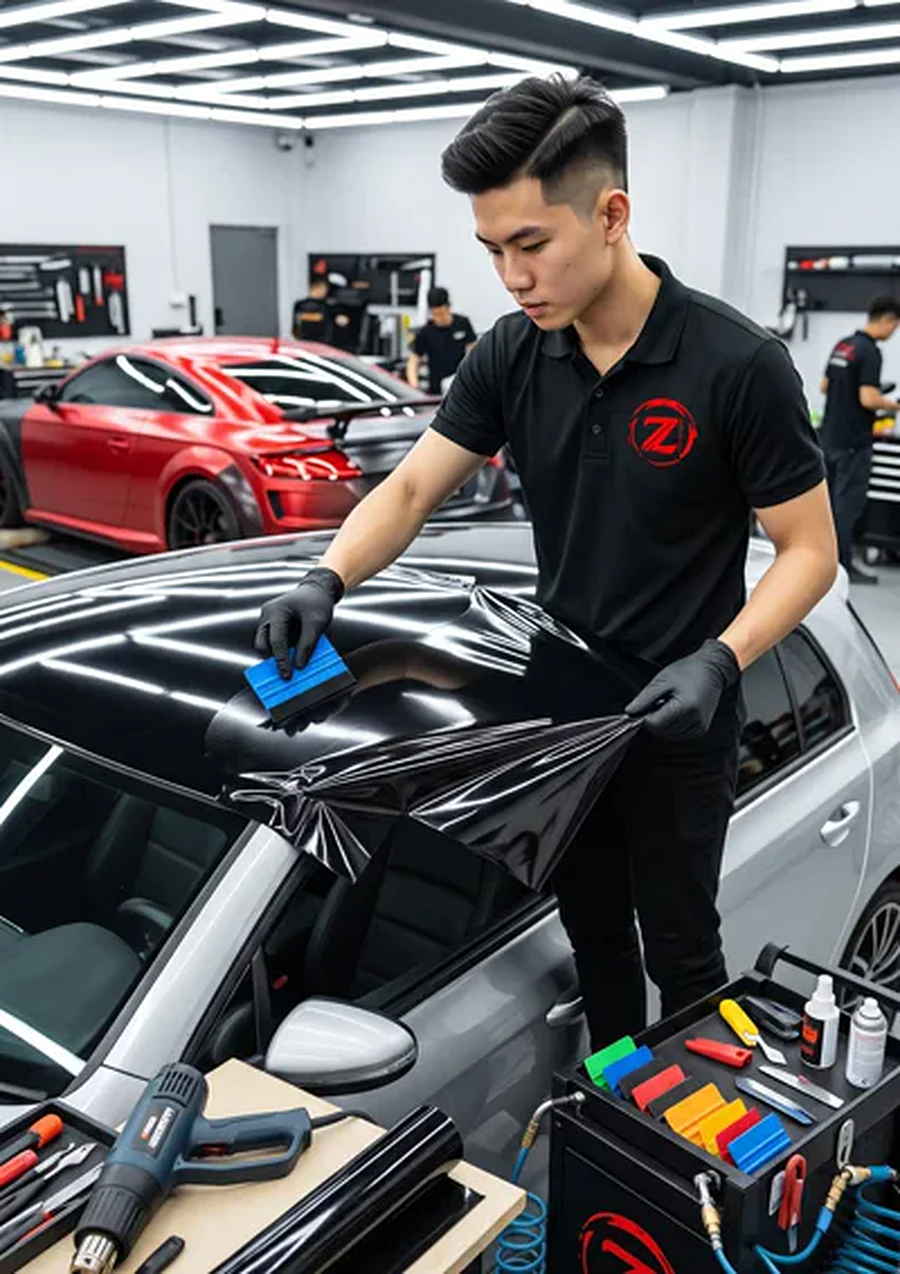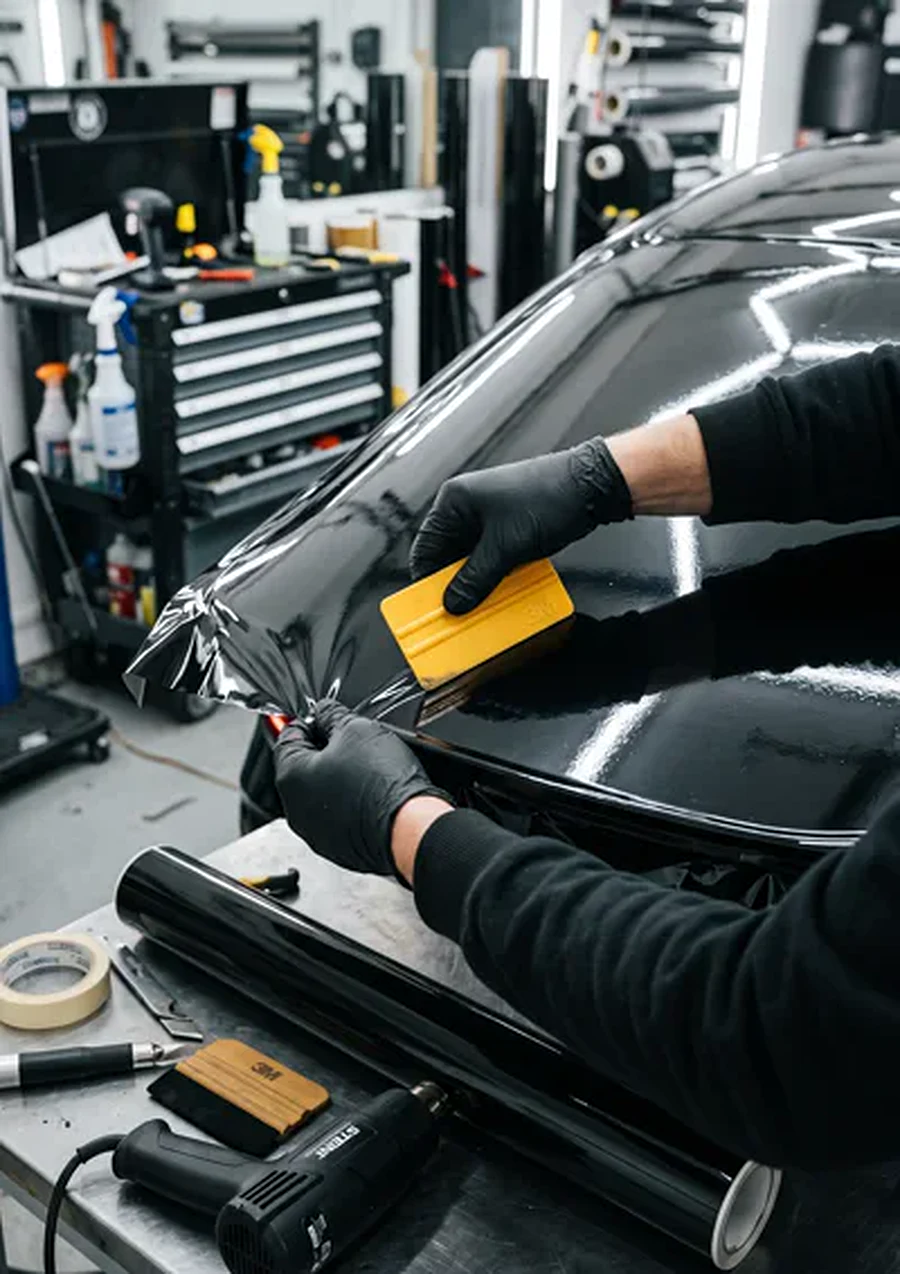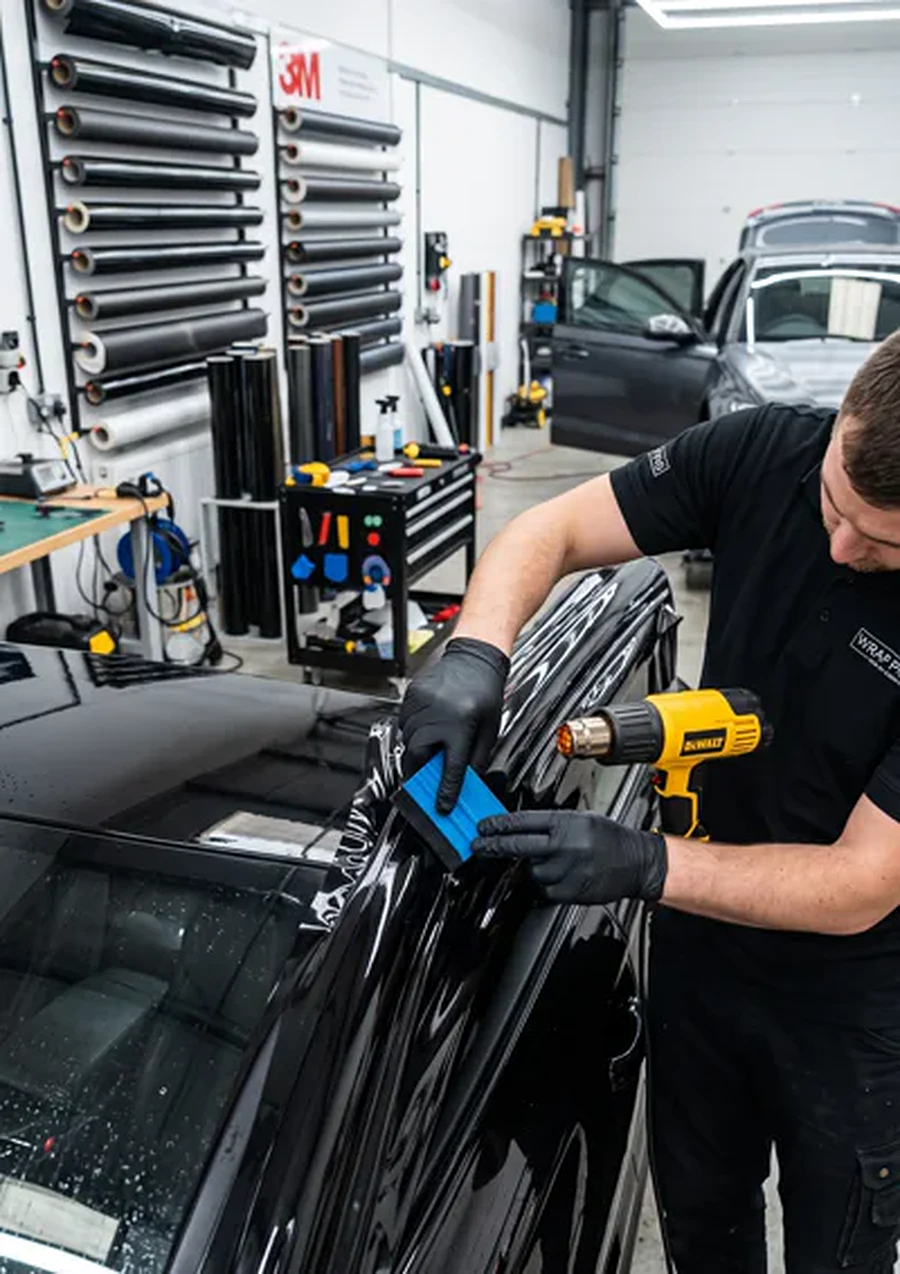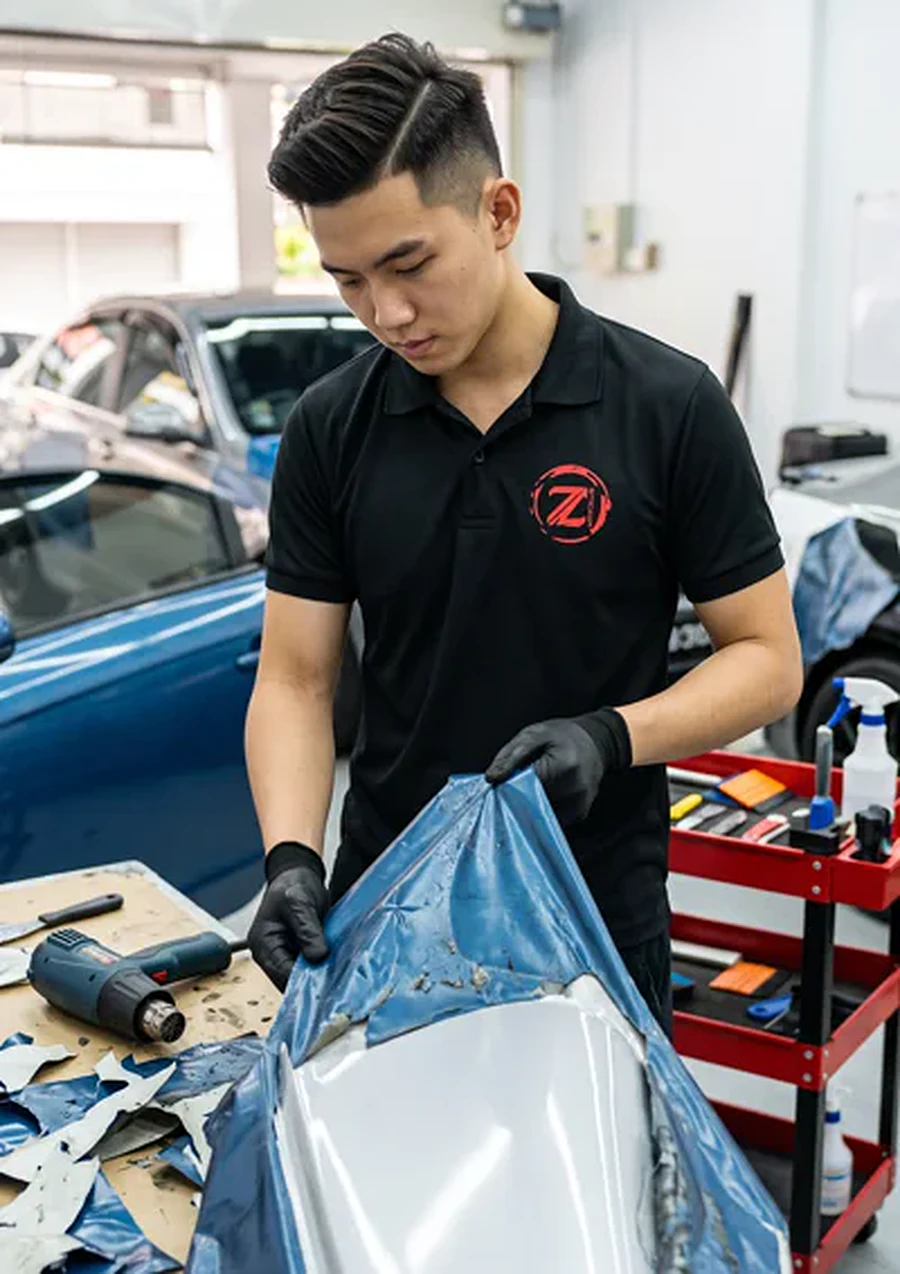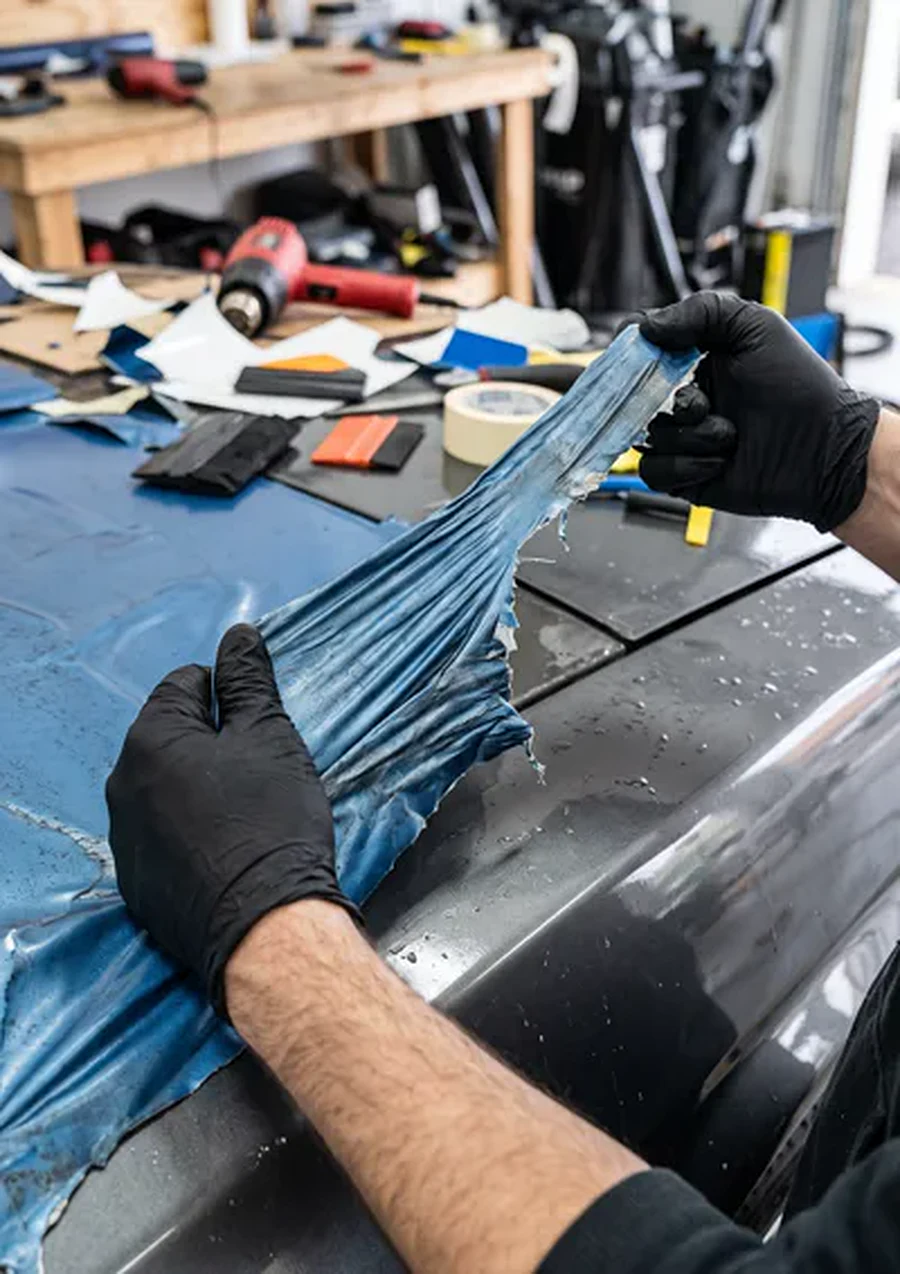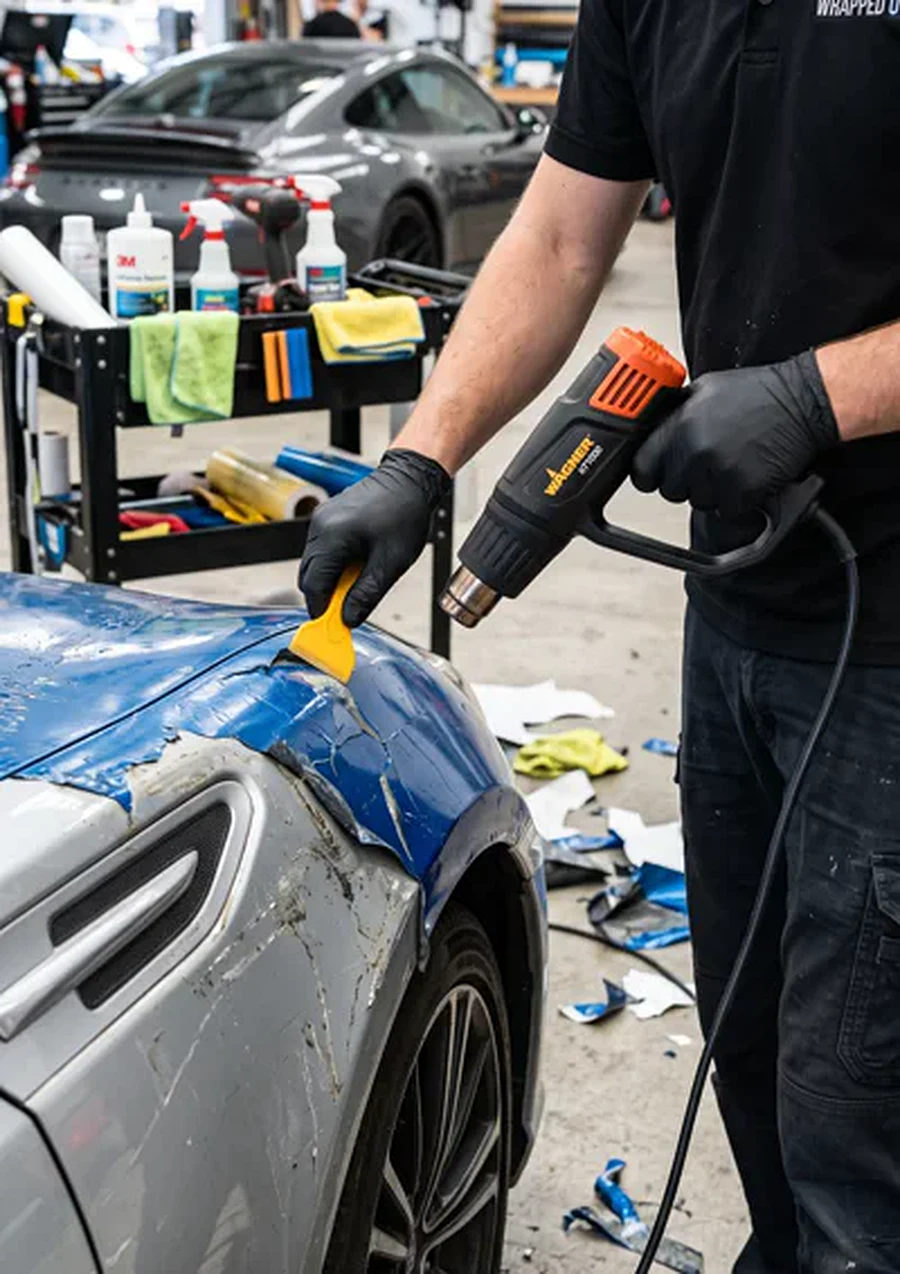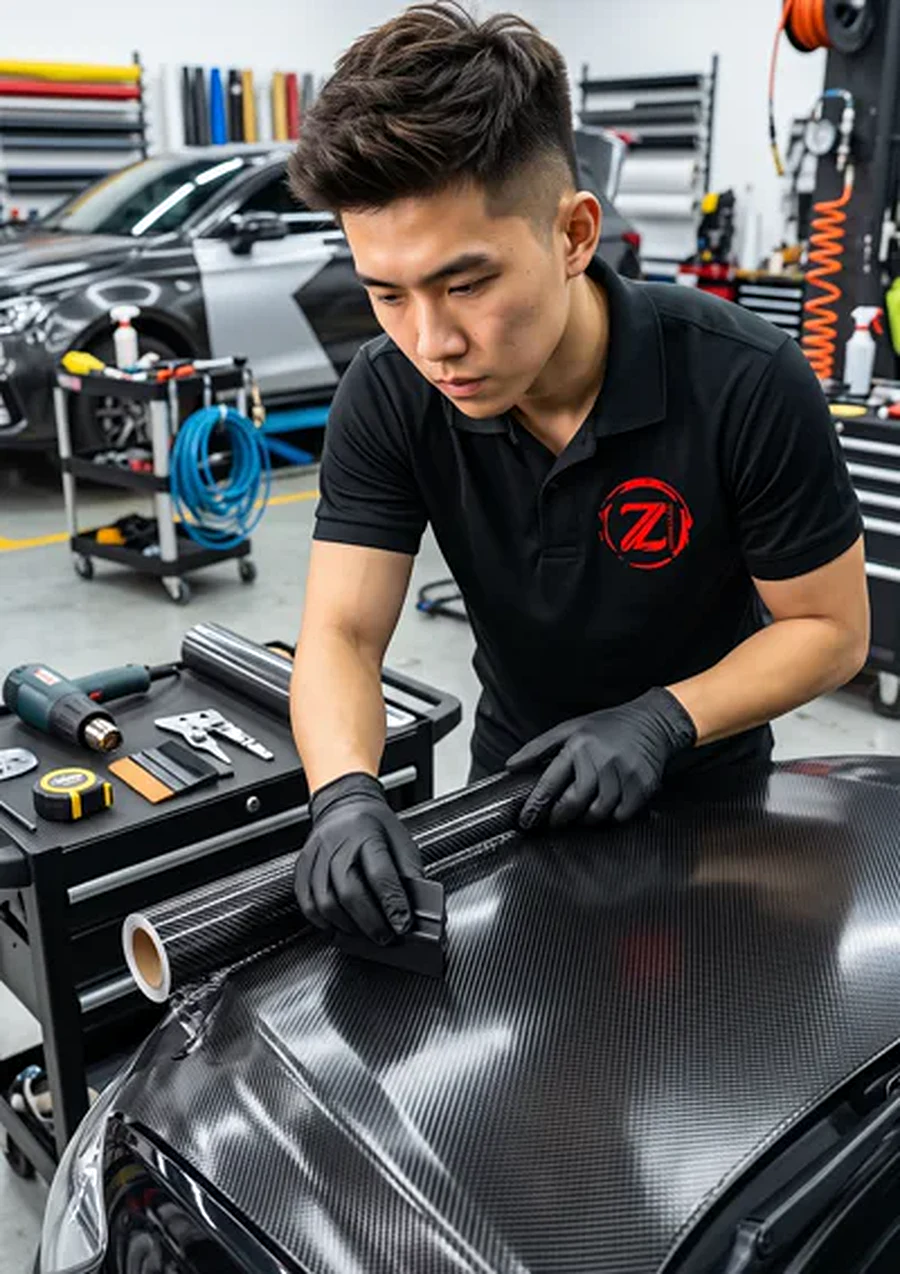
A carbon fibre wrap is a film with a raised, woven texture that copies the look of real carbon fibre. The installer lays it over a panel or trim – a roof, bonnet, mirrors or interior piece – and you can peel it off cleanly later with no damage. Because it has a real 3D or 4D texture, it catches the light like the genuine woven material, not a flat printed sticker. One honest thing to know: a wrap only copies the look – it adds no weight saving and no strength, it is purely for style. In Malaysia in 2026, carbon accents cost about RM300 to RM2,000, a full 4D carbon wrap runs about RM3,500 to RM9,000, and it lasts 3 to 5 years.
That is the short answer. Below is everything else in plain words: where carbon looks best, real prices, the honest truth about vinyl carbon vs real carbon fibre, the mistakes to avoid, new 2026 carbon finishes, and whether you need to tell JPJ.
Carbon Fibre Wrap in Malaysia – Quick Answers
| Question | Quick answer |
|---|---|
| Accents (mirrors, trims)? | RM300 – RM800 |
| Roof or bonnet? | RM600 – RM2,000 |
| Full 4D carbon wrap? | RM3,500 – RM9,000 |
| How long does it last? | 3 – 5 years (interior/shaded parts last longest) |
| Does it add strength? | No – it is only for the look |
| Best for? | A sporty, high-tech accent look |
What Is a Carbon Fibre Wrap?
A carbon fibre wrap is a vinyl film with a raised weave texture that copies the look of real carbon fibre. The installer lays it over a panel or trim, and you can peel it off later with no damage. Because it has a real 3D or 4D texture, it catches the light and looks like the woven material – not a flat printed sticker.
It is one of the most popular and affordable ways to make a car look sportier, because you can do just a few pieces instead of the whole car.
Where Carbon Wrap Looks Best
- Roof and bonnet – a bold black weave that contrasts with any body colour.
- Mirrors, spoilers, side skirts and trims – quick, cheap, sporty accents.
- Interior pieces – dashboard, console and door trims for a race-car feel.
- Grille surrounds and badges – small details that lift the whole look.
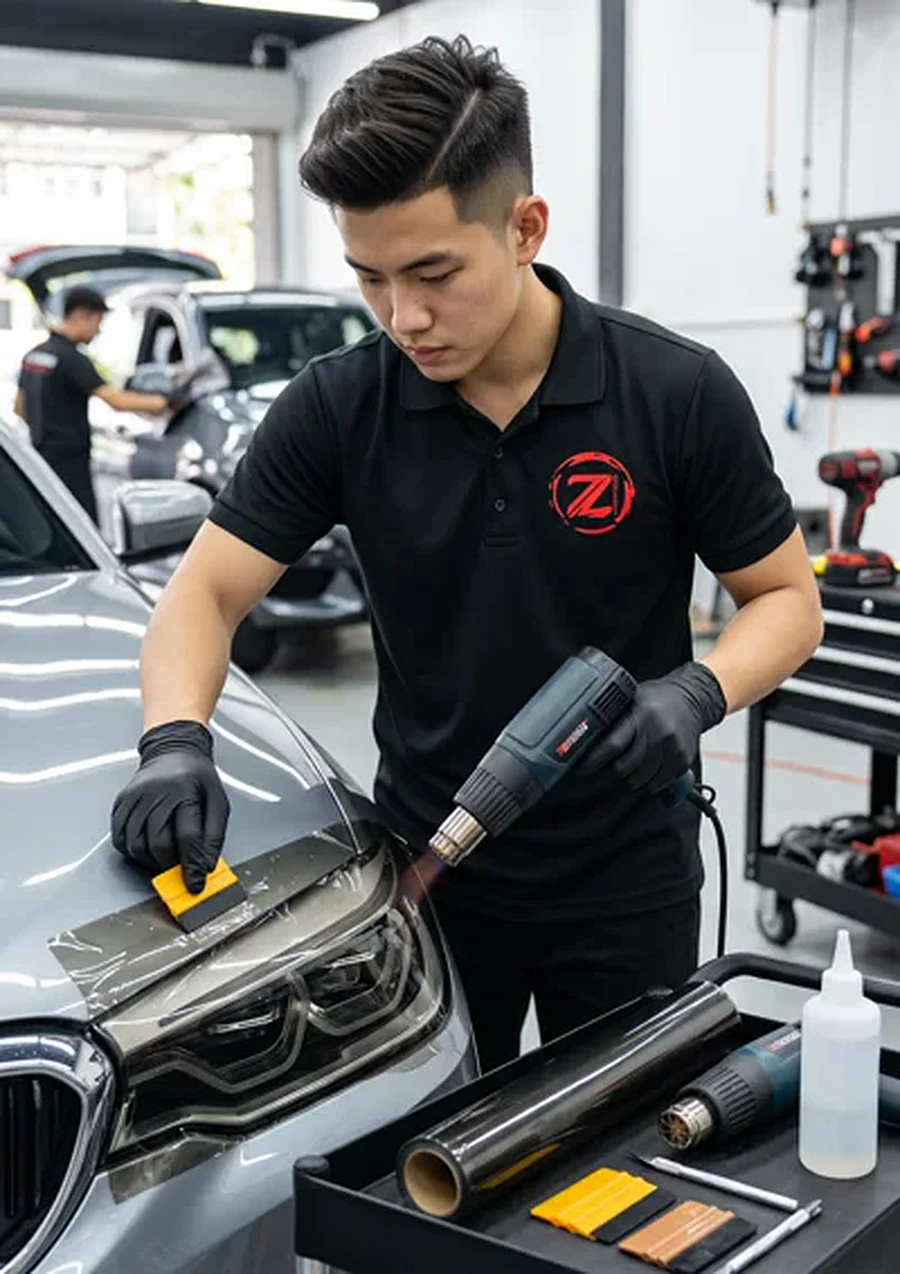
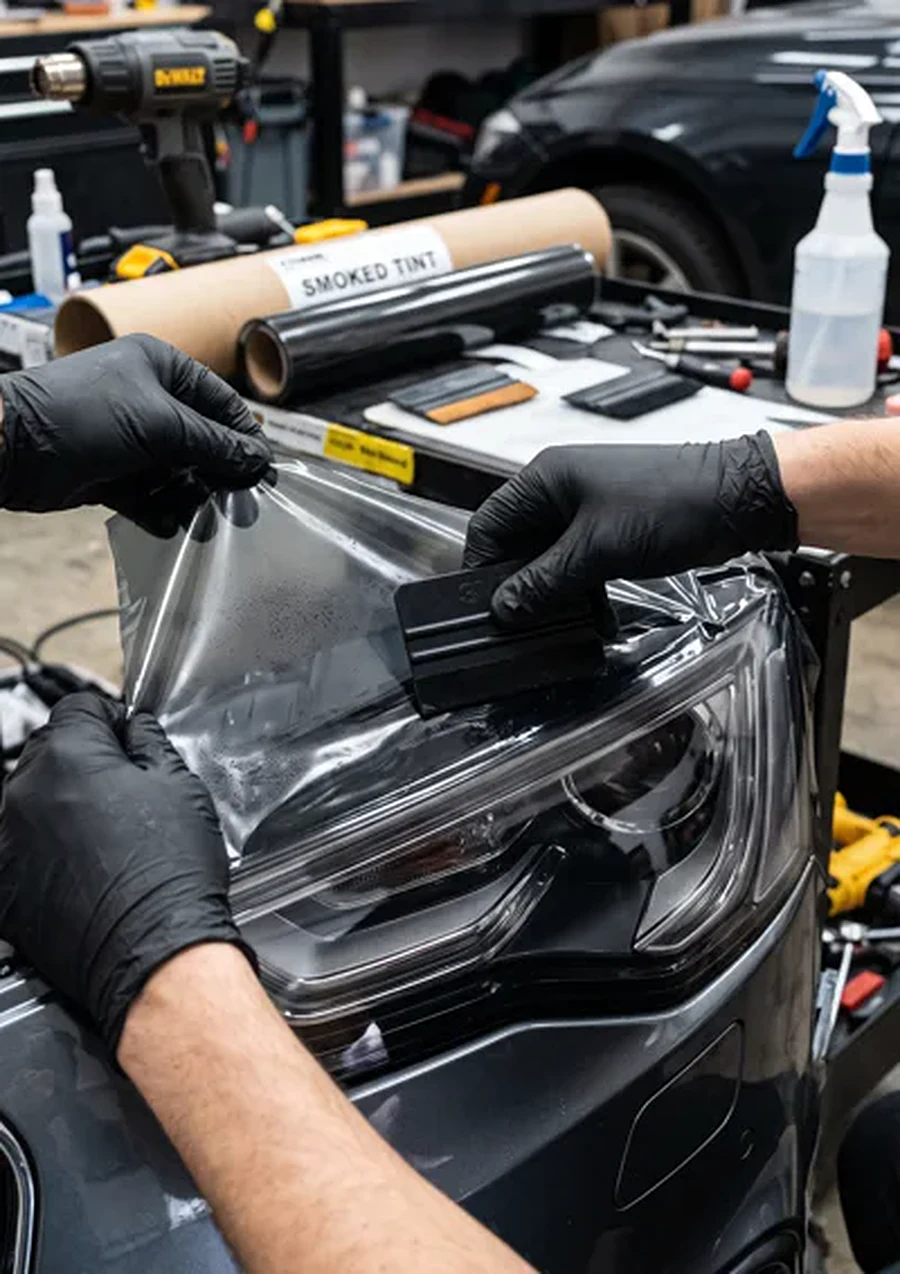
How a Carbon Wrap Is Put On
- Clean the panel or trim – so nothing gets trapped under the film.
- Remove small parts where possible – trims and mirror caps come off for a clean wrapped edge.
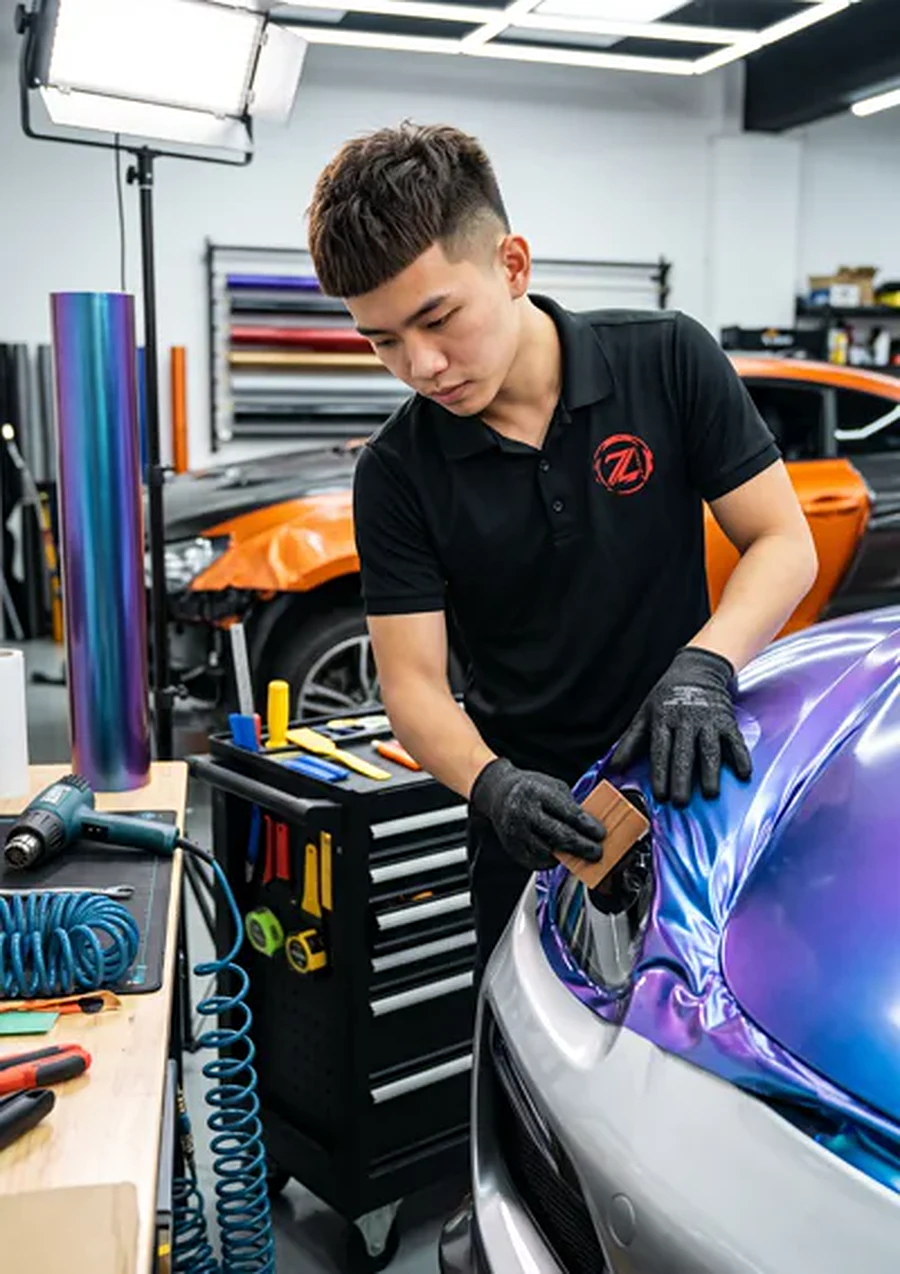
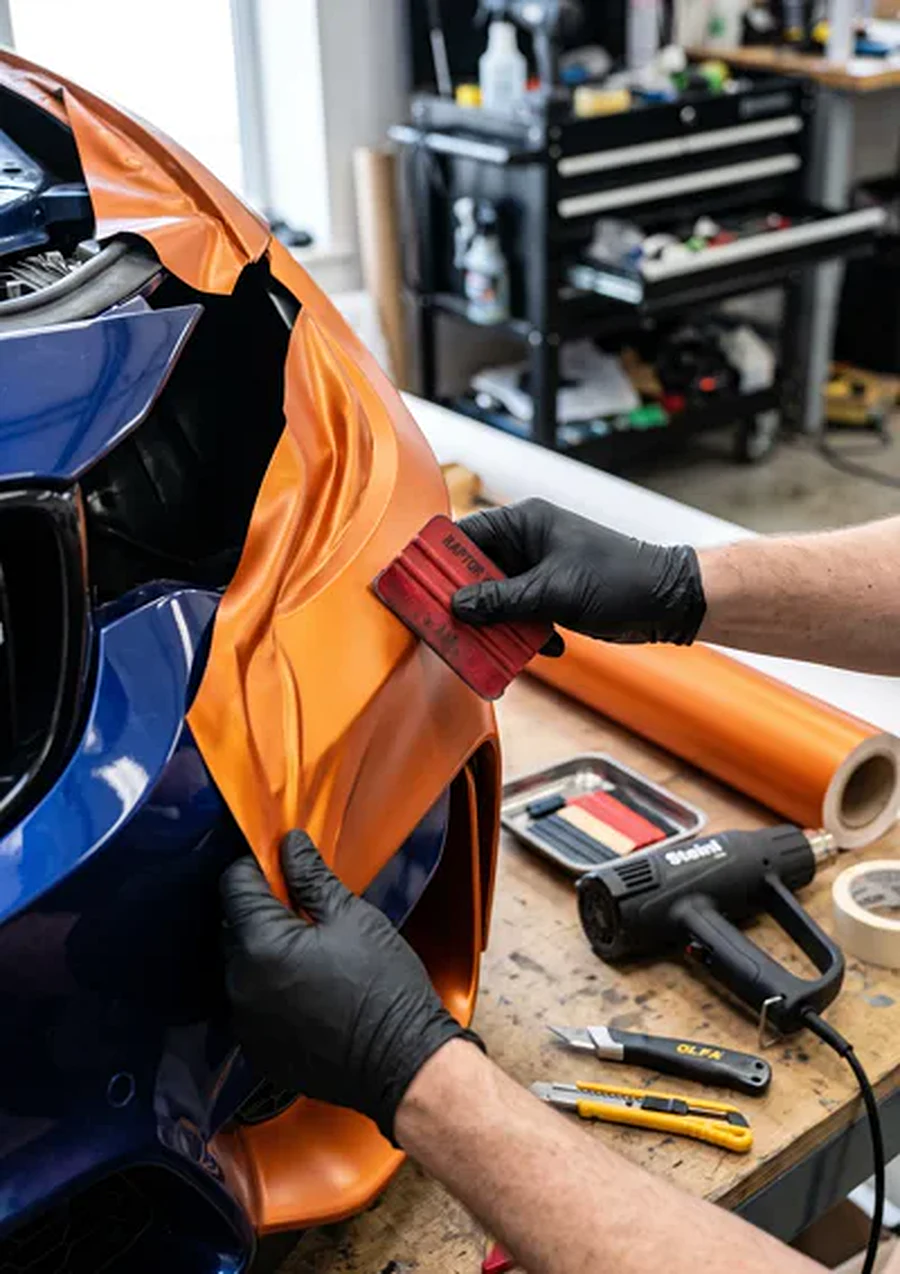
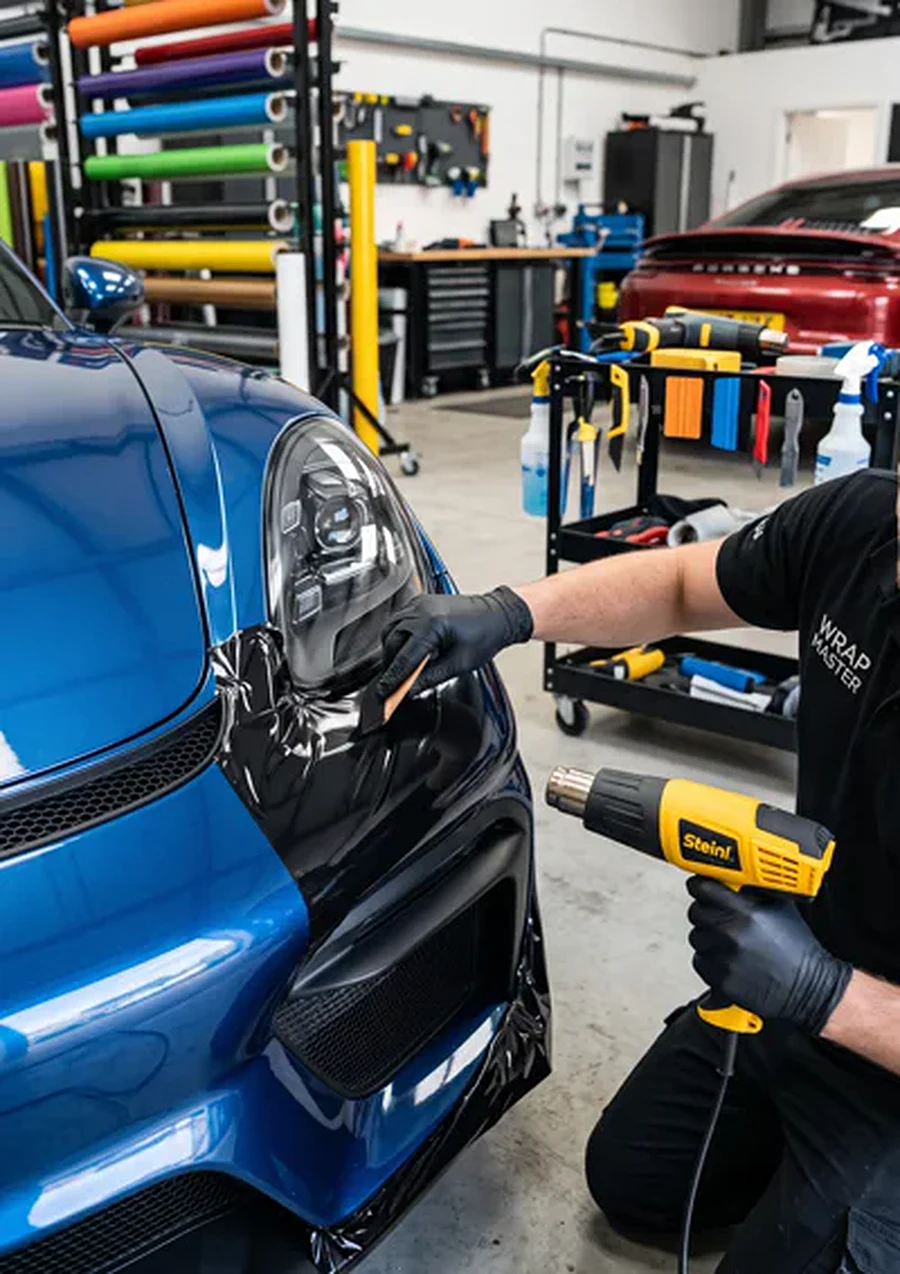
- Stretch and shape the film – the weave is lined up straight and the film is heated over the curves.
- Tuck and seal the edges – so they stay down in our heat.
- Refit and check – the parts go back on and the weave direction is checked to match.
Carbon Fibre Wrap Price in Malaysia (2026)
Price depends on how much you cover and the film quality. Here are typical 2026 ranges around Malaysia. These are estimates, not fixed quotes:
| Coverage | Typical price (2026) |
|---|---|
| Small accents (mirrors, trims, badges) | RM300 – RM800 |
| Roof or bonnet | RM600 – RM2,000 |
| Interior trim set | RM500 – RM1,800 |
| Full 4D carbon body wrap | RM3,500 – RM9,000+ |
The exact film matters. Good textured carbon film like 3M 2080 Carbon Fibre (CFS), TeckWrap 4D/5D carbon or Avery Dennison holds its texture and colour far better in our sun than cheap film, which can fade or flatten in a year. On a roof that bakes all day, the better film is worth it.
Vinyl Carbon vs Real Carbon Fibre (The Honest Truth)
This is where many shops are not straight with customers, so here it is plainly:
- Vinyl carbon wrap – copies only the look. It adds no weight saving and no strength. It is purely cosmetic, and that is fine – it is cheap, reversible and looks great.
- Real carbon fibre parts – a genuine lightweight, strong material used for bonnets, spoilers and trims. It costs many times more and is used for performance, not just looks.
If you only want the carbon look, a wrap gives you about 90% of the effect for a tiny fraction of the price. If you want the weight saving, you need real carbon parts.
New in 2026: Forged Carbon & Coloured Carbon
1. Forged carbon look. Instead of a neat woven pattern, forged carbon has a random, marbled chip pattern – the same style seen on Lamborghini and Pagani parts. It is now available as a wrap film and looks very high-end.
2. Coloured and metallic carbon. Carbon weave now comes in grey, blue, red and gunmetal, so you can match or contrast your body colour.
3. See it first with AI. New AI preview tools show carbon on your exact car’s roof, bonnet or mirrors before you commit, so you can compare black vs coloured carbon in seconds.
Common Mistakes to Avoid
- Cheap flat “carbon” sticker. Real 3D/4D film has depth; cheap flat printed carbon looks fake fast. Ask to feel the texture.
- Weave not lined up. On a bonnet or across panels, the weave must run straight and match side to side – sloppy work shows immediately.
- Wrapping trims in place. Where possible, parts should come off for a clean wrapped edge, or the film lifts at the edges.
- Baking cheap film in the sun. A carbon roof takes the most UV – cheap film fades or flattens; use good film there.
How to Keep a Carbon Wrap Looking Sharp
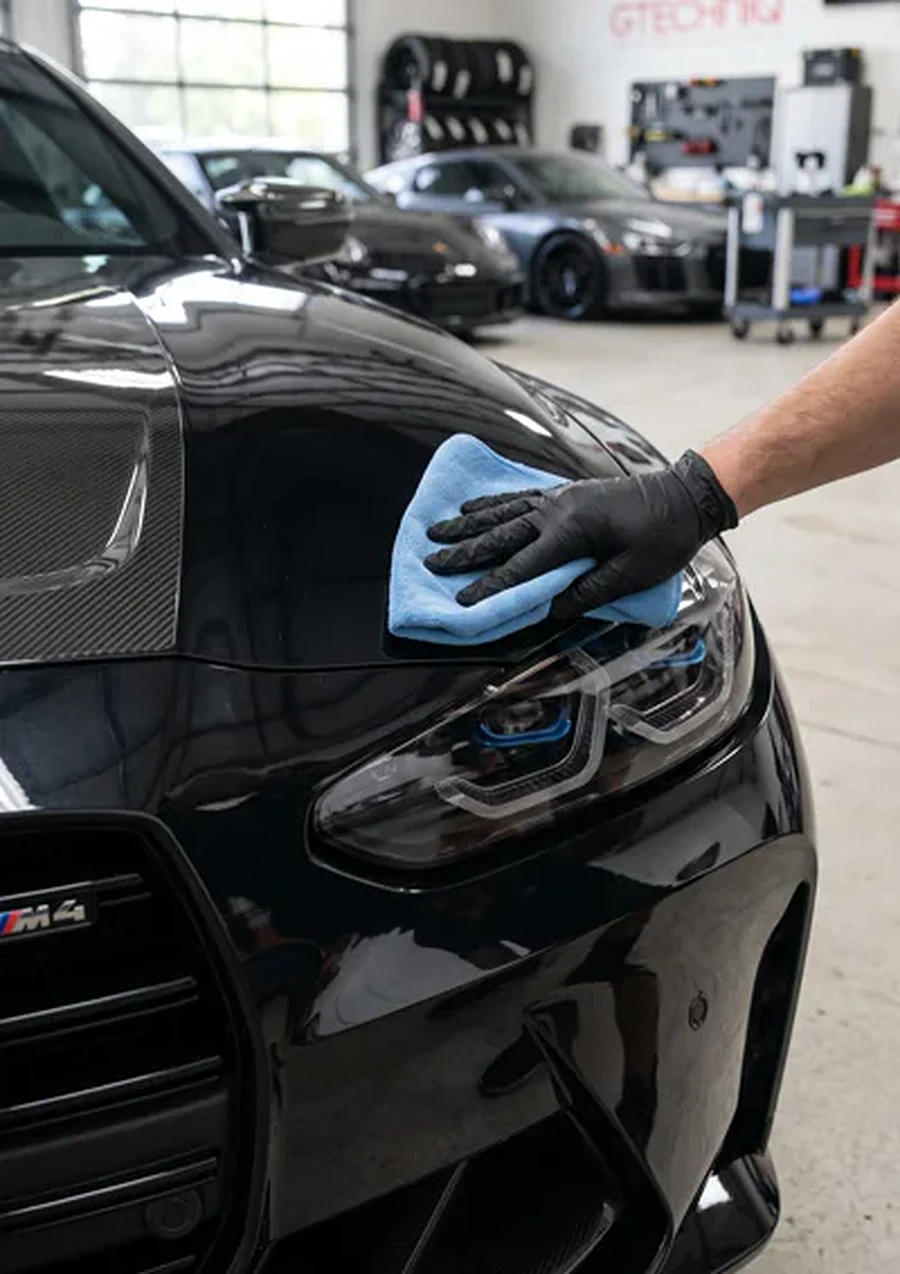
- Hand wash gently with a soft cloth – the texture can trap dirt, so rinse well.
- Park in the shade – a carbon roof takes the most sun, and strong UV fades cheap film first.
- Clean off bird droppings and fuel quickly before the heat sets them into the texture.
- Interior carbon lasts the longest, as it never sees the sun or rain.
Do You Need to Tell JPJ?
Most carbon jobs are accents, so this is simpler than a full colour change:
- Small accents (roof, mirrors, trims) do not change your car’s main colour, so they usually need no JPJ update.
- A full carbon body wrap does change the main colour. If carbon is 60% or more of the car, treat it as a colour change: tell JPJ within 7 days using the K8 form under Section 12 of the Road Transport Act 1987, with your geran and IC. It is free and updated in MySikap.
A real example: a carbon roof and mirrors on a red Myvi keep red well over 60%, so “red” stays your registered colour – no JPJ visit needed. But wrap the whole Myvi in 4D carbon and carbon becomes the main colour, so you report the change. The rule: whichever colour covers 60% or more is the one JPJ records.
Note: this is general information, not legal advice. JPJ rules and forms can change, so please confirm the current process directly with JPJ before you rely on it.
Carbon on Supercars & Superbikes
Carbon accents look right at home on high-end machines – a forged-carbon roof on a supercar or carbon fairings on a superbike add a serious motorsport touch without the cost of real carbon parts. On these cars the curves are sharp, so keeping the weave straight across a bonnet or fairing takes a skilled hand. Doing carbon on a Lamborghini, GT-R, Continental or superbike? Ask to see the shop’s past carbon work so you can check the weave lines up cleanly.
Ask These Before You Book
- Is the film 3D, 4D or forged carbon, and which brand and warranty?
- Will the weave line up across panels and around curves?
- Are trims removed for clean wrapped edges, or wrapped in place?
- Should I do accents or a full wrap for my budget and look?
- How do I care for it, and what does the warranty cover?
Where to Get a Carbon Wrap in Malaysia
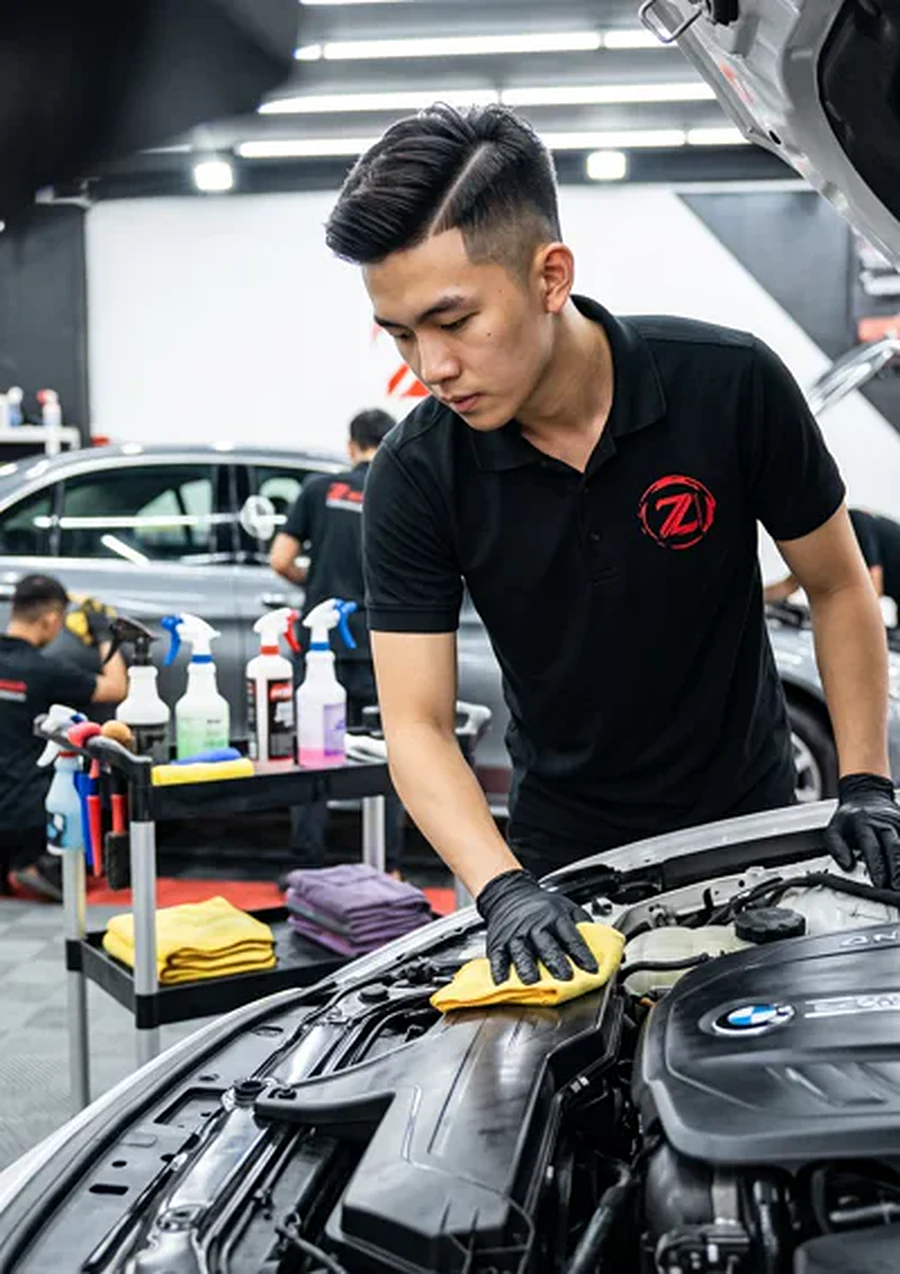
Neat carbon work is all about lining up the weave and sealing the edges – that comes from a careful installer and good film. Z-Sticker in Taman Sentosa, Klang does carbon accents and full 4D wraps on daily cars, continental cars, supercars and superbikes for owners across Selangor, Kuala Lumpur and the Klang Valley, using real 3M, Avery Dennison and TeckWrap film. For honest advice on carbon accents or forged carbon, just message the team on WhatsApp.
How Other Countries Use Carbon (and How Malaysia Compares)
No country loves carbon like Japan. In the JDM tuning scene, real carbon parts – carbon bonnets, GT wings and trims from names like Mugen and Spoon – are a badge of a serious build, chasing both the look and real weight saving on the track. That obsession pushed carbon into car culture worldwide.
And in Malaysia? Real carbon parts are expensive and hard to find here, so a carbon fibre wrap is how most Malaysian owners get that JDM-inspired look affordably. A Civic, Myvi or GR Yaris owner in the Klang Valley can have a carbon roof, bonnet and interior for a few hundred ringgit – the same style the Japanese scene made famous, without the parts bill.
Questions People Ask
How much is a carbon fibre wrap in Malaysia in 2026?
Accents cost about RM300 to RM2,000, and a full 4D carbon wrap about RM3,500 to RM9,000, depending on coverage and film. These are typical estimates, not fixed quotes.
Is vinyl carbon the same as real carbon fibre?
No. Vinyl carbon copies the look only – no weight saving, no strength. Real carbon parts cost many times more.
How long does a carbon wrap last in Malaysia?
About 3 to 5 years with good film and care; interior and shaded pieces last longest.
Does a carbon fibre wrap damage the paint or trim?
No. Over good paint or trim it protects the surface and peels off cleanly with heat.
Do I need to tell JPJ about a carbon wrap?
Small accents do not need it. A full carbon body wrap counts as a colour change – report it to JPJ within 7 days (K8 form). Please confirm the current rule with JPJ.
Related Guides
- Matte car wrap – carbon pairs perfectly with a matte body.
- Roof wrap – a carbon roof is the most popular carbon accent.
- Interior wrap – carbon trim inside the cabin.
- Full car wrap – the complete colour-change guide.
A carbon fibre wrap is the easiest, most affordable way to add a sporty, high-tech look in Malaysia – just be clear it is for looks, not strength. Use good 4D or forged film, keep it out of harsh sun where you can, and it will keep that motorsport weave sharp for years.