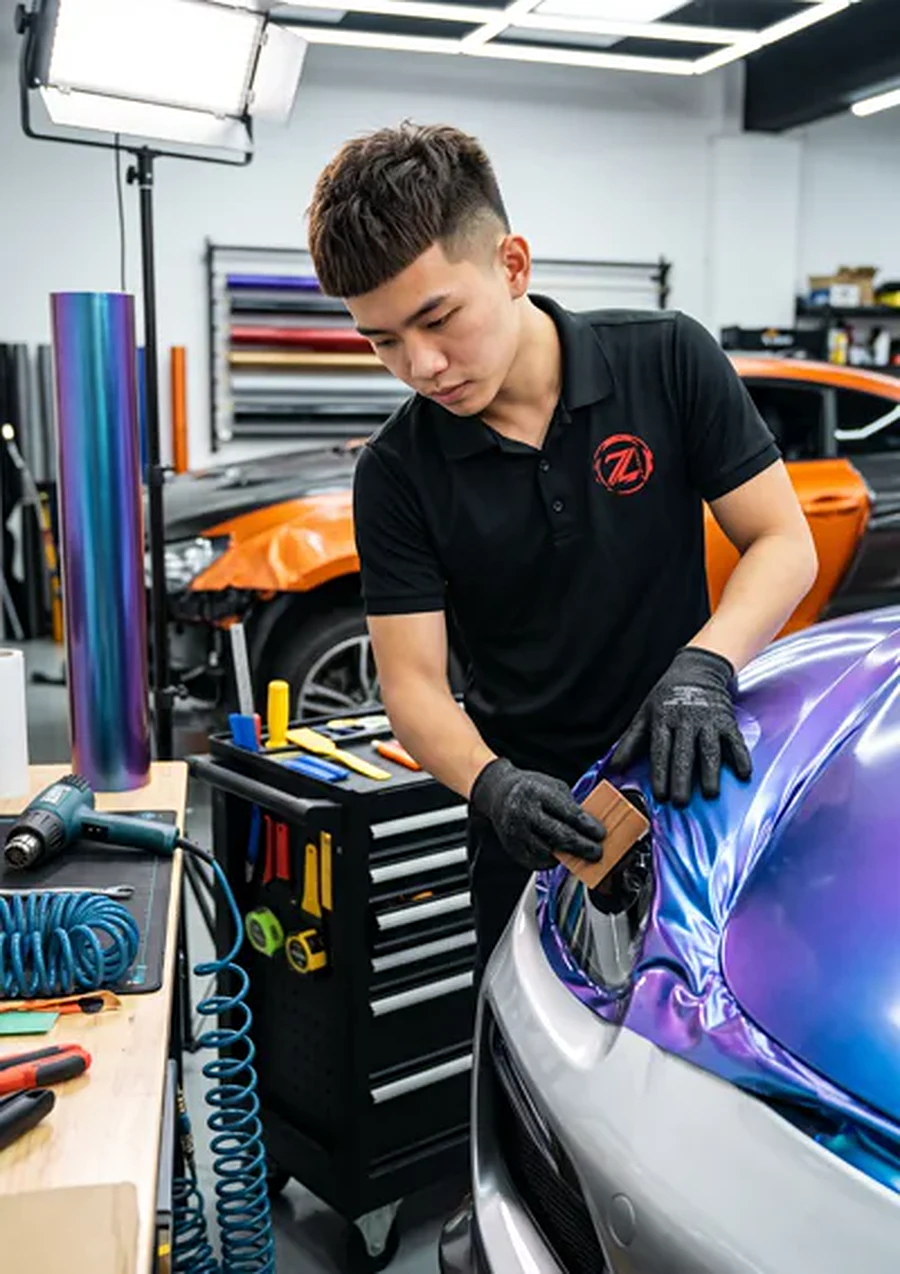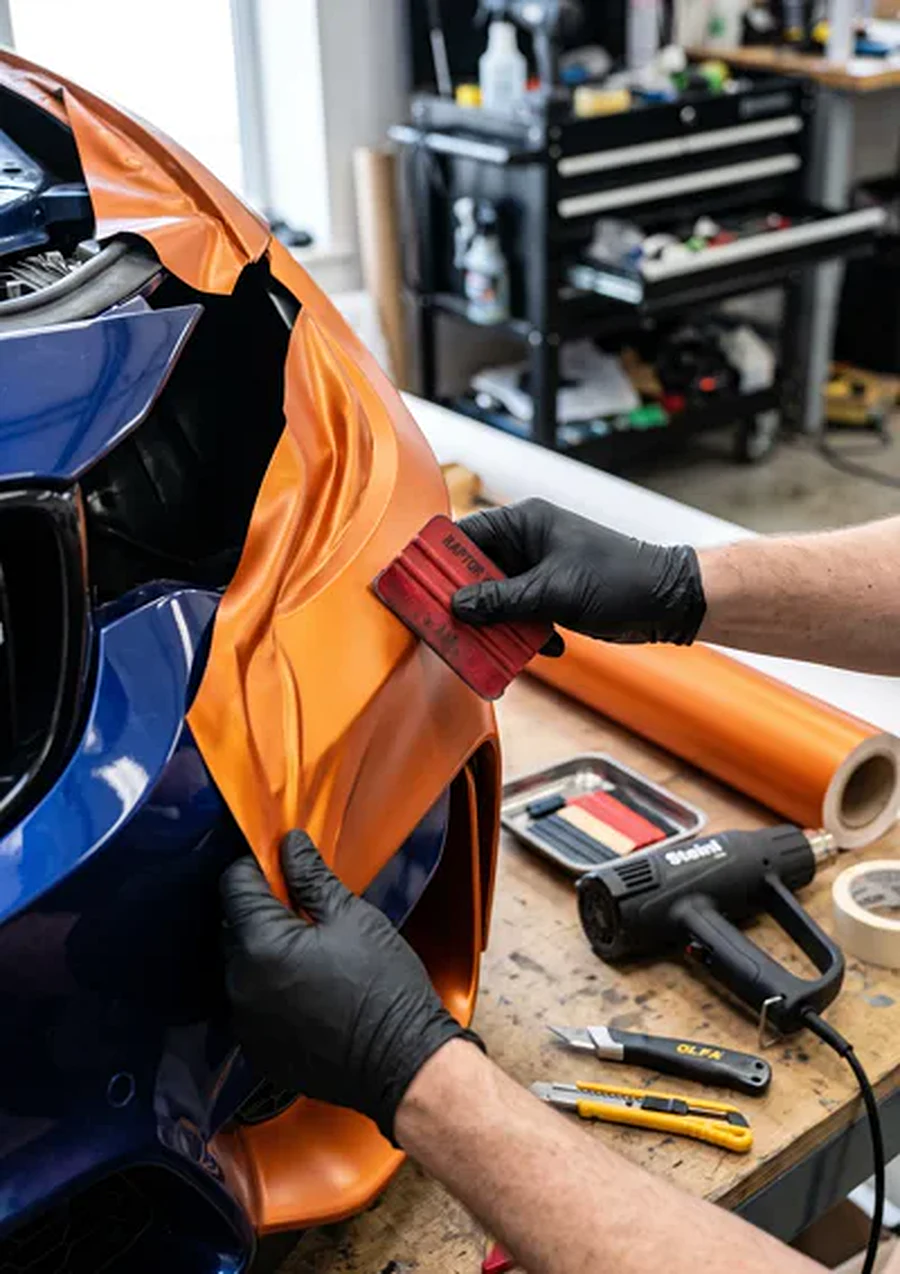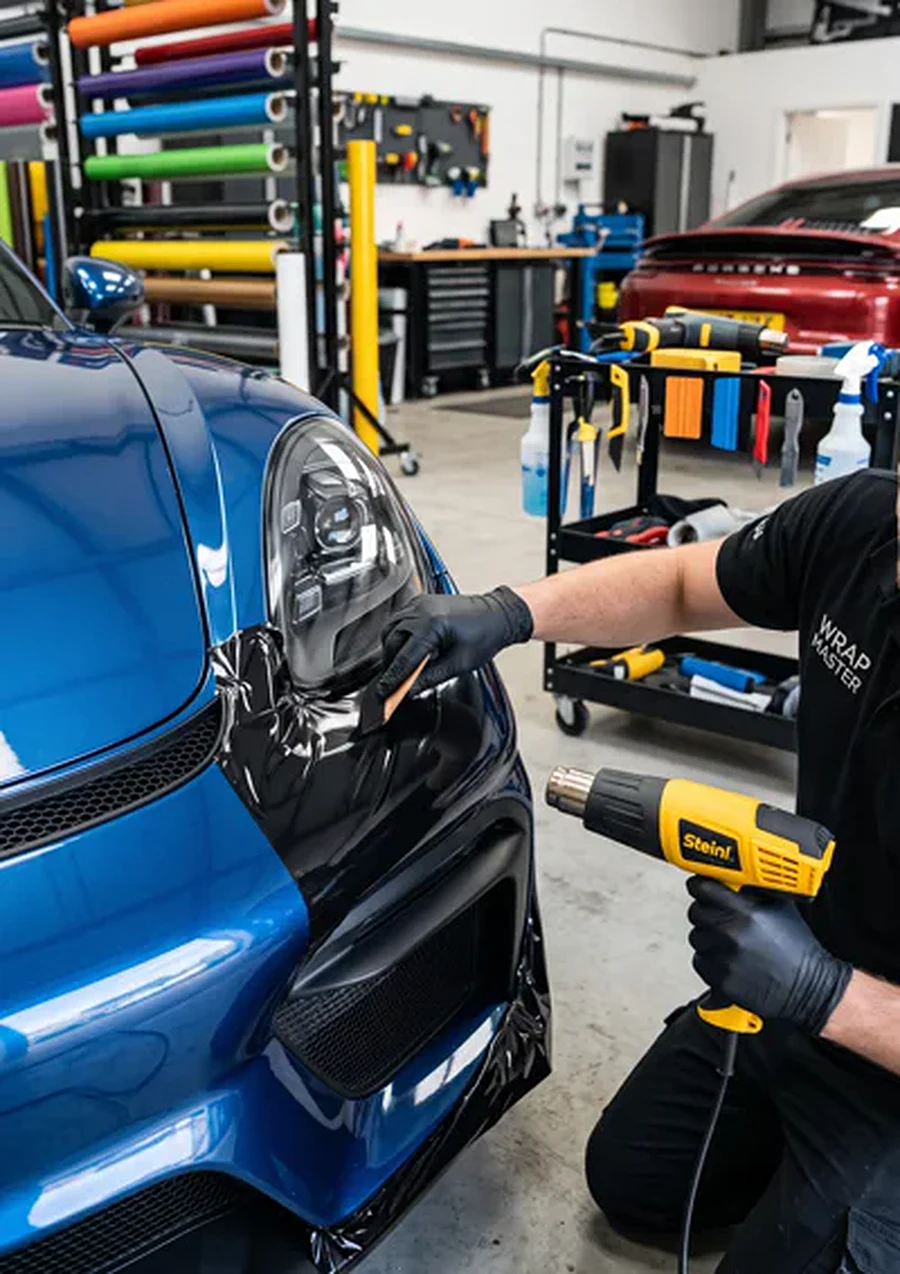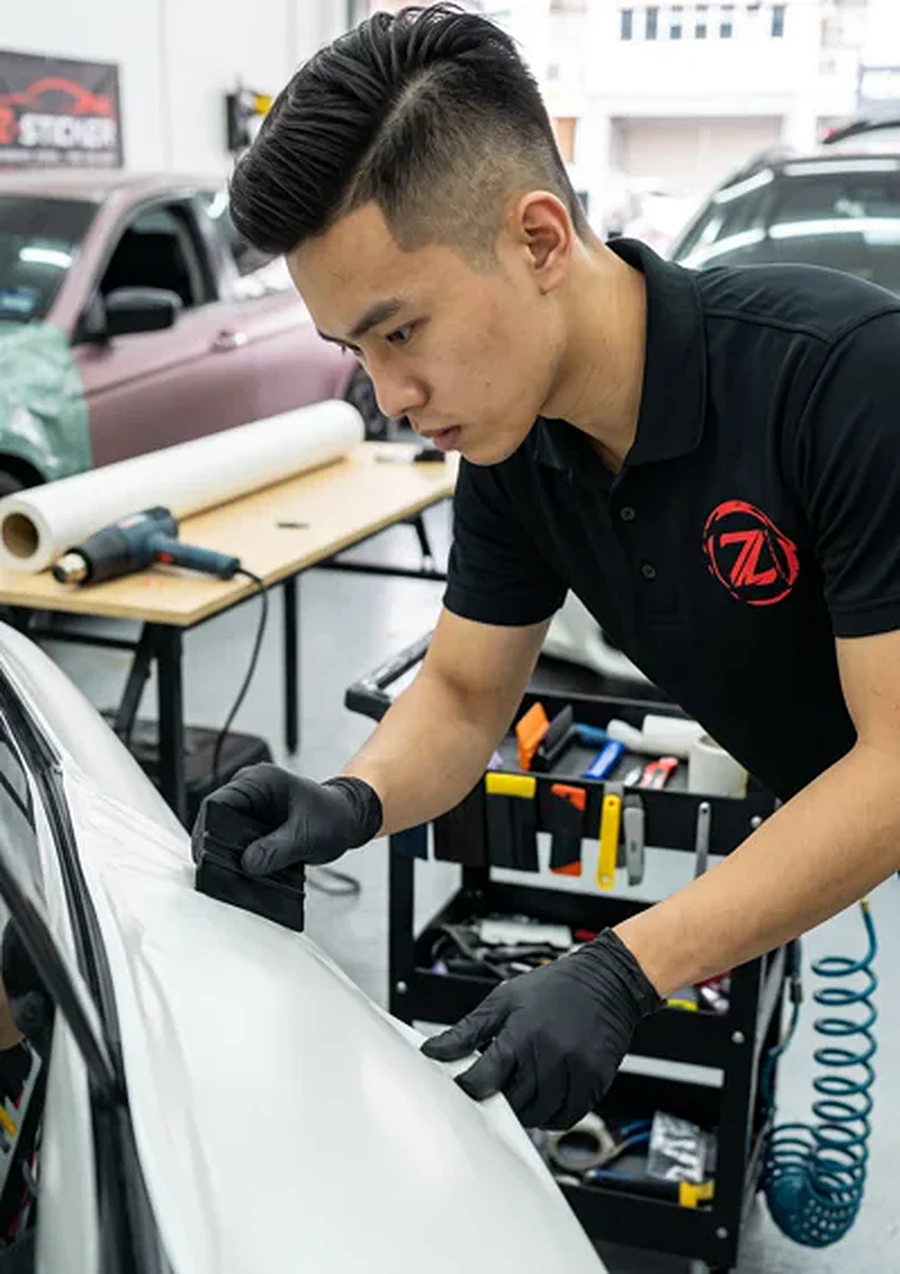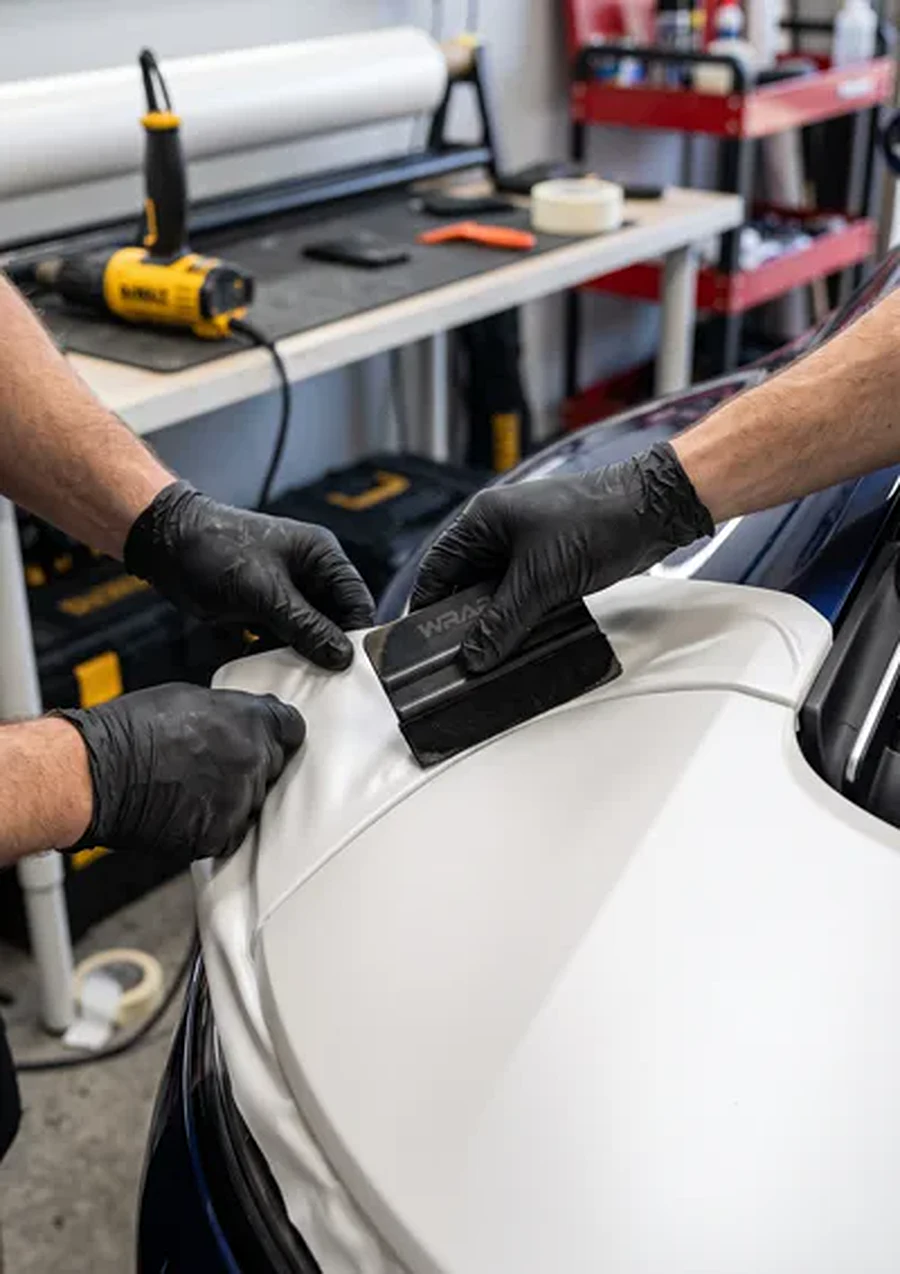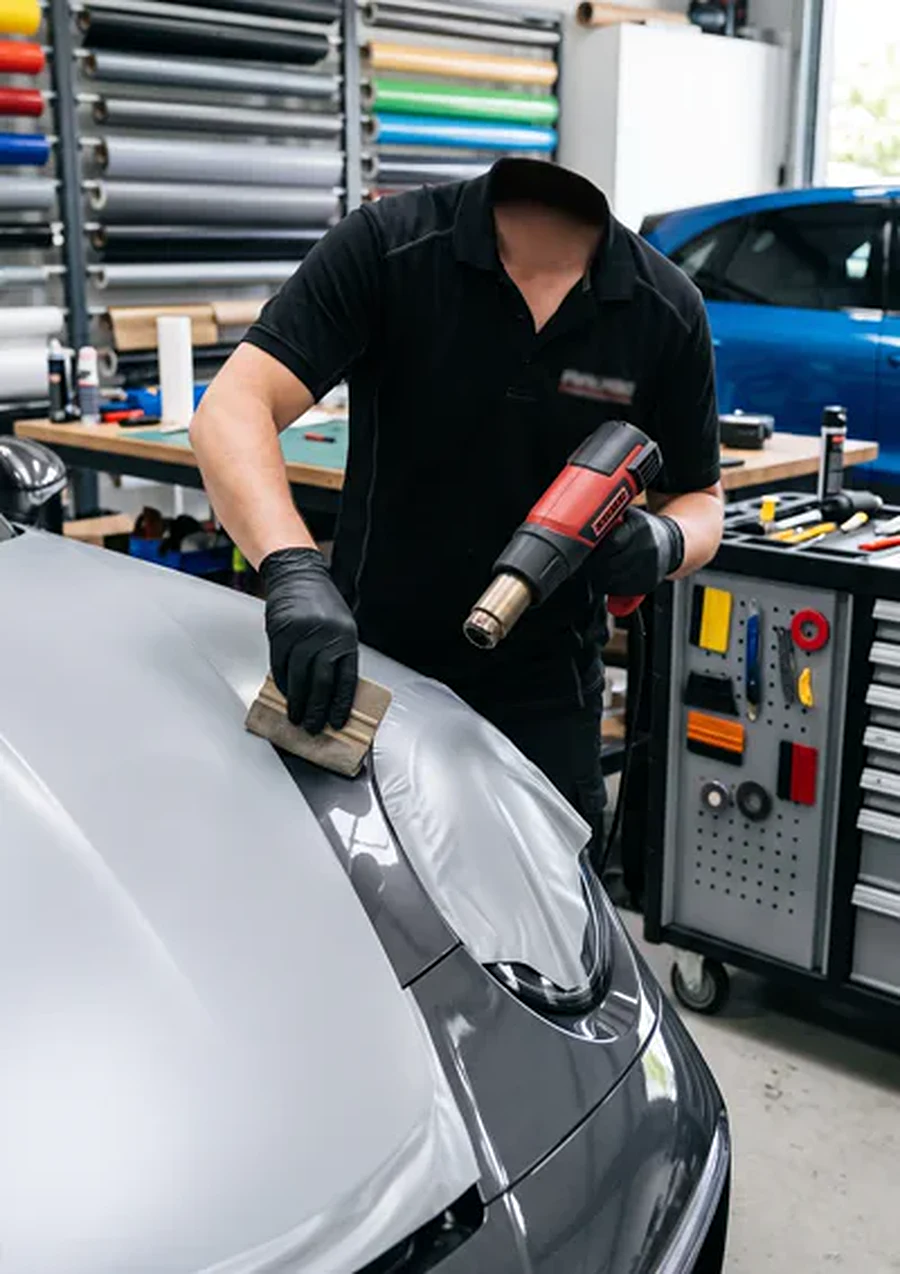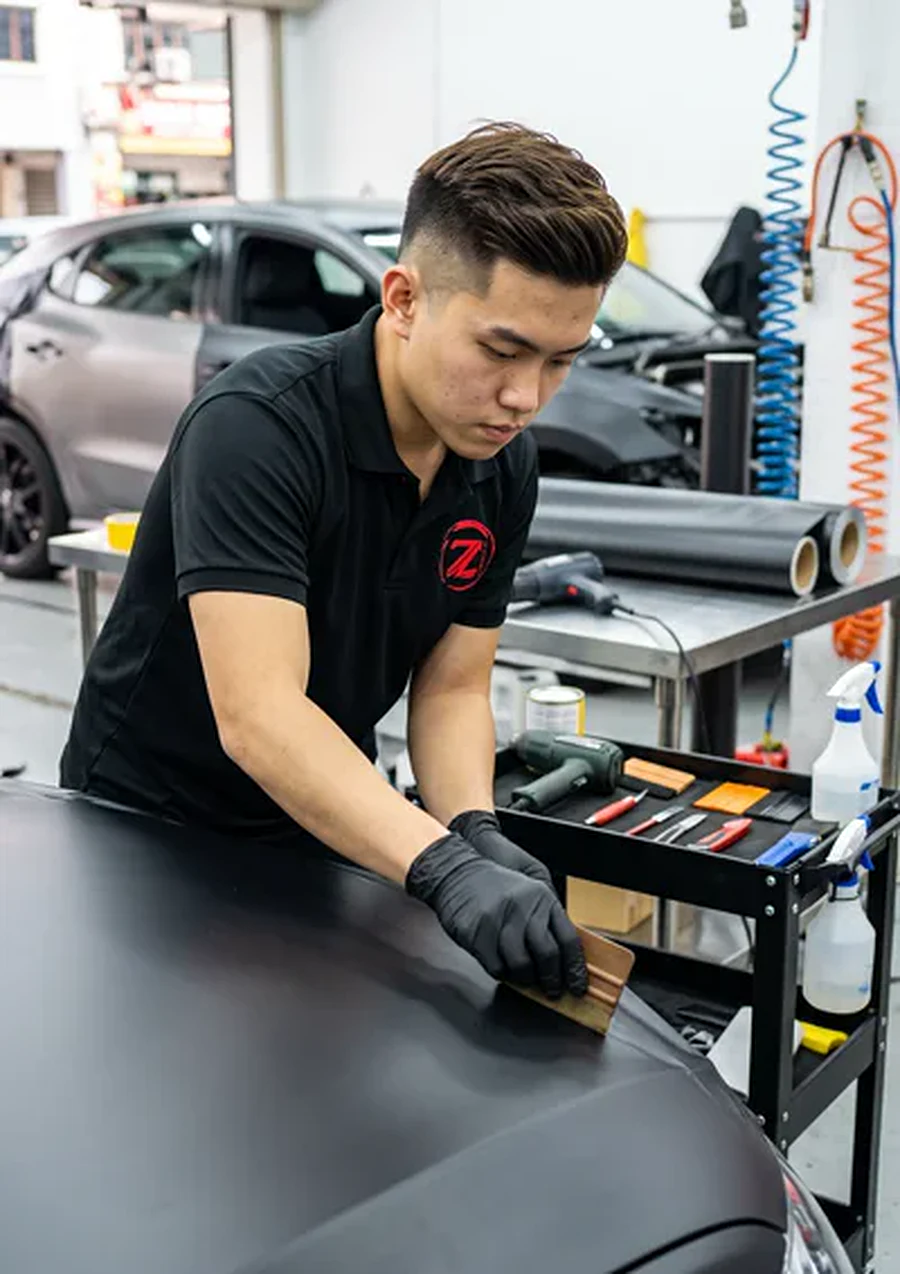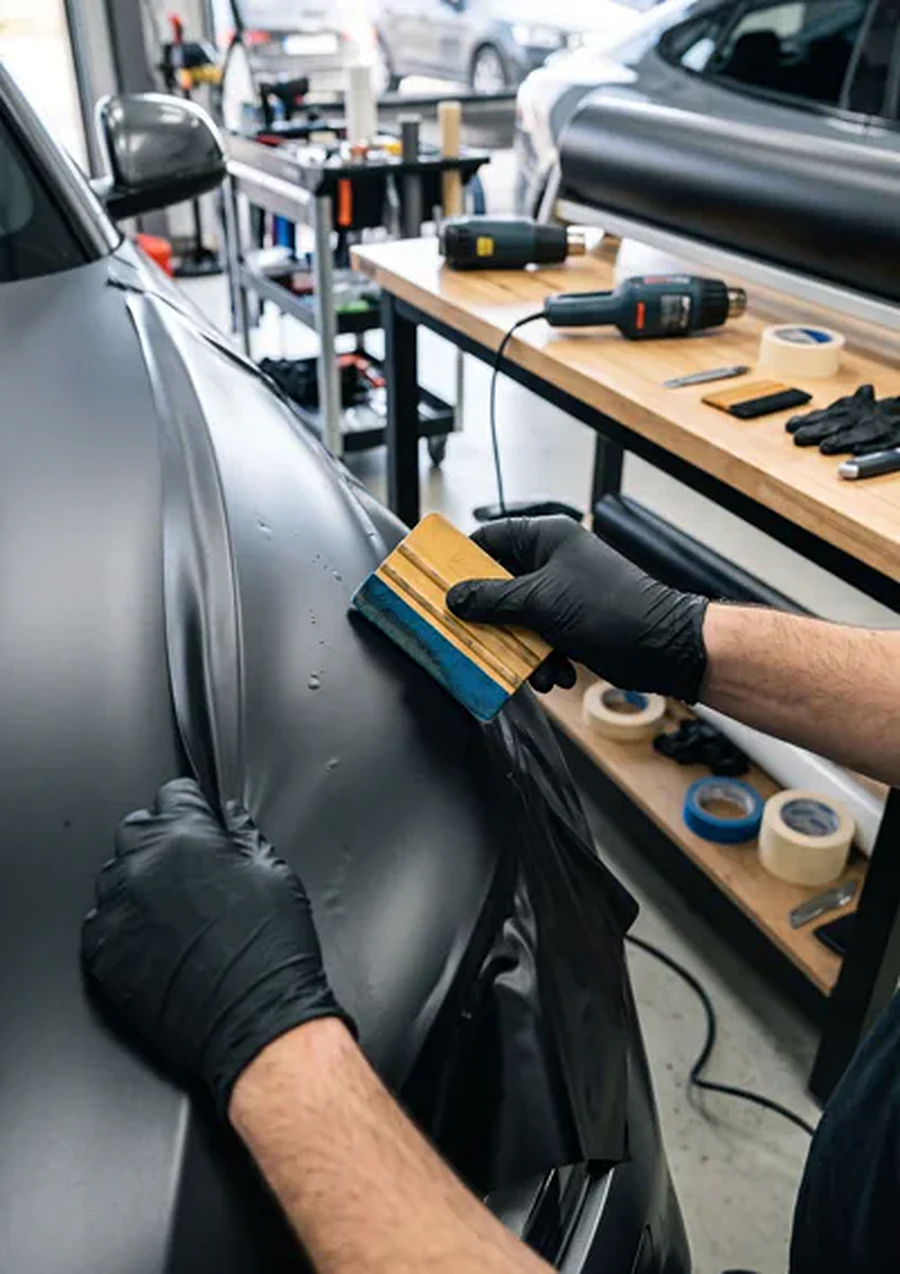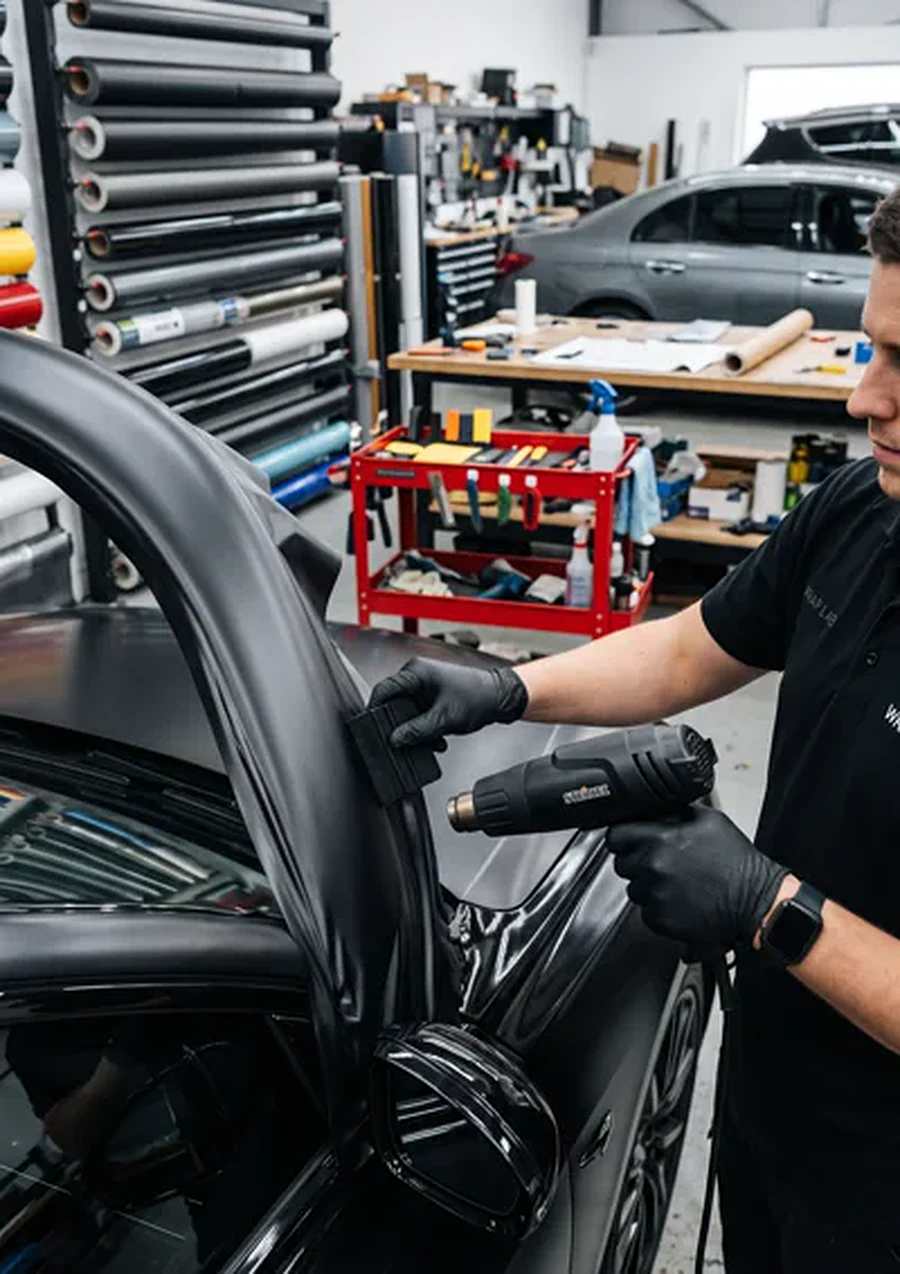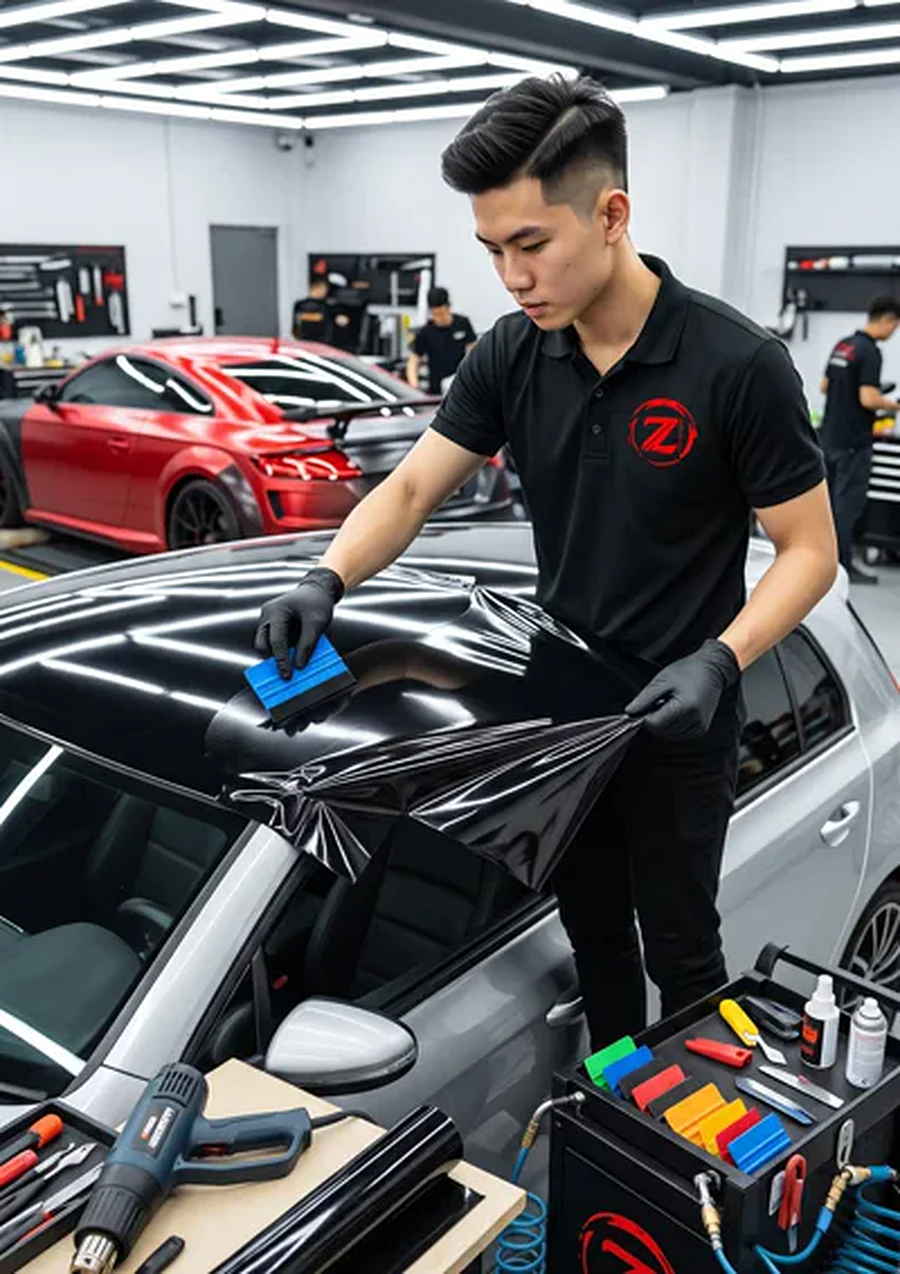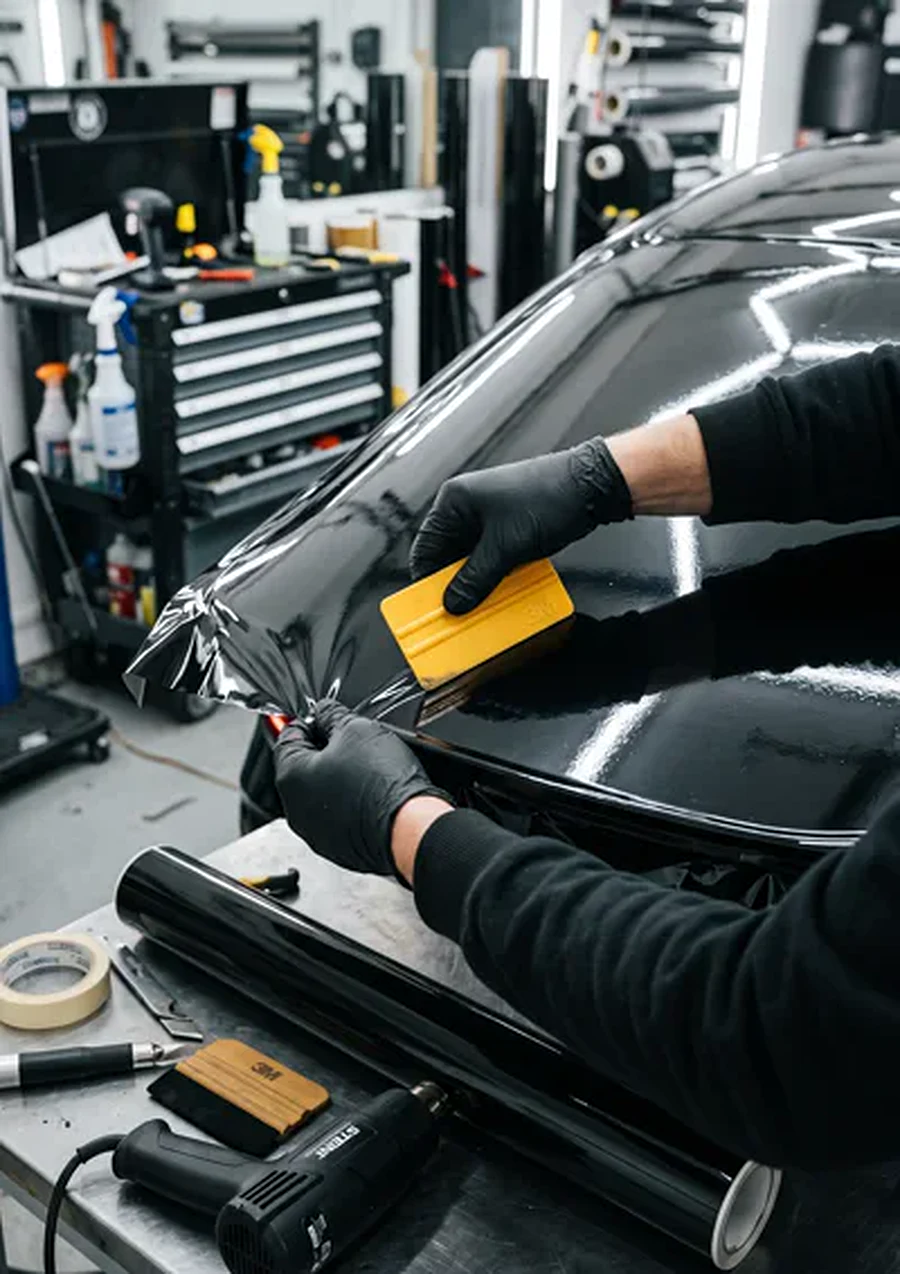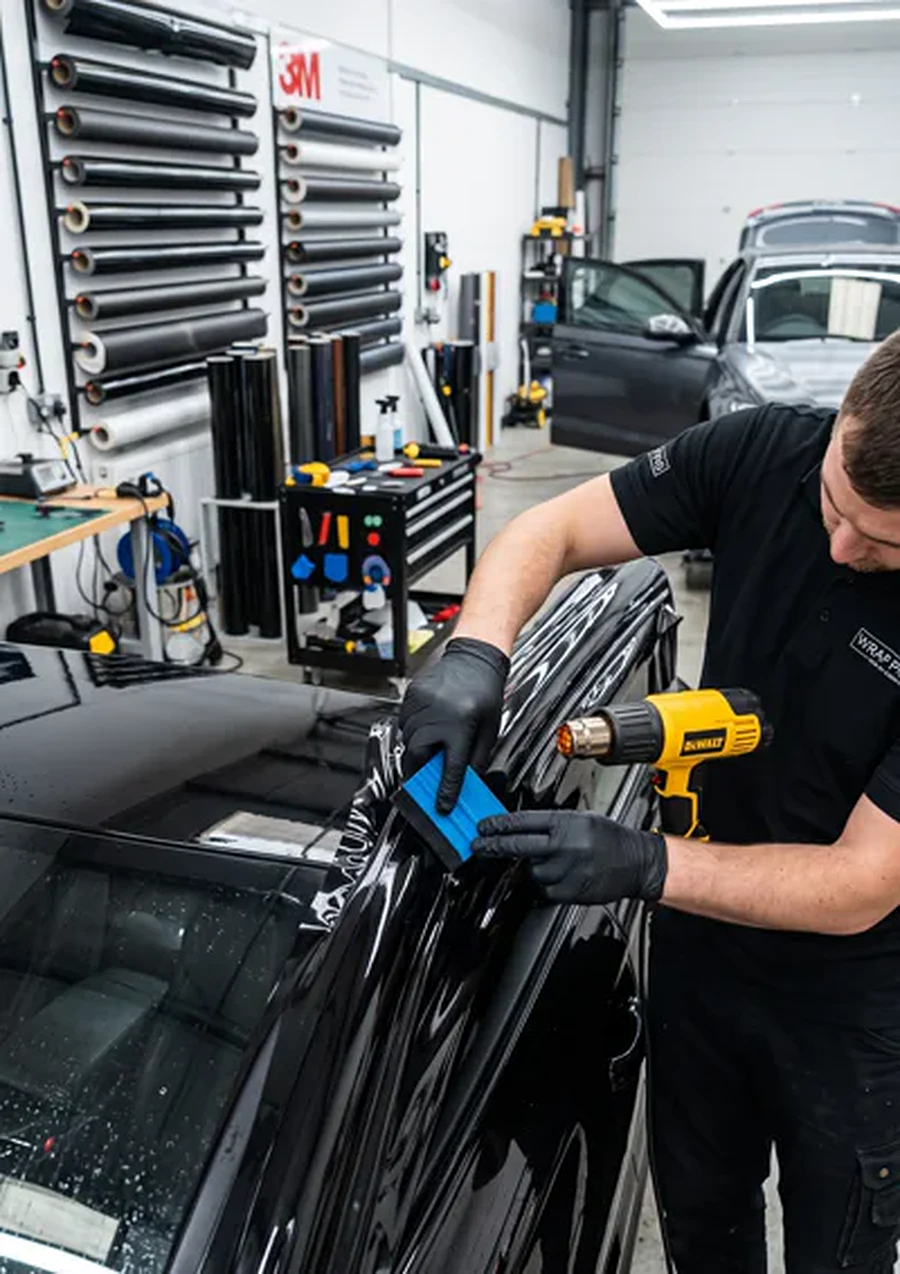
No – a professionally fitted car wrap does not damage healthy factory paint. Good vinyl bonds to the clear coat without soaking into it, and it comes off clean when the clear coat underneath is sound. Paint problems only happen when the paint was already failing before the wrap went on (peeling clear coat, rust, old touch-up paint), when cheap non-automotive vinyl is used, or when the wrap is fitted or removed badly. In other words: the wrap is rarely the cause – what’s under it, and who installs it, decides the outcome.
That’s the honest, short answer. Below is the full picture: exactly when a wrap protects your paint, exactly when it can go wrong, how to check your own car before you book, and what a Klang installer actually looks for before saying yes to a job.
Does Car Wrap Damage Paint? Quick Answers
| Question | Quick answer |
|---|---|
| Does a wrap damage healthy paint? | No – it protects it |
| Can it damage bad paint? | Yes – if clear coat is already failing |
| Biggest real risk? | Poor prep or rushed removal, not the vinyl itself |
| Does removal always leave paint fine? | Yes, if the paint was sound before wrapping |
| Safe for a brand-new car? | Yes – often the safest time to wrap |
The Real Risks That Can Cause Paint Damage
Vinyl wrap film itself is not the problem. In almost every case of “the wrap ruined my paint,” one of these five things was actually responsible – and Klang’s heat, humidity and sudden downpours make some of them more likely here than in a cooler, drier country.
1. Clear Coat That Was Already Failing
If your clear coat is cracked, peeling, or lifting before the wrap goes on, the adhesive grips onto that loose layer. When the film comes off later – even years later – it can take the failing clear coat with it. This is the single biggest cause of “wrap damage,” and it has nothing to do with the vinyl itself. On older Malaysian-registered cars we often see this on the roof and bonnet first, since those two panels take the most direct sun over the years.
2. Rust Hiding Under the Paint
Older cars, especially ones that have had panel repairs, can have small rust spots starting under the paint. A wrap traps moisture against that spot rather than letting it breathe, which can speed up corrosion that was already there. This is one reason a proper installer will run a hand over every panel and check the wheel arches and door edges before quoting – not just look at the surface colour.
3. Cheap, Non-Automotive Vinyl
Not all vinyl is equal. Genuine cast film such as 3M, Avery Dennison, or TeckWrap is made to stretch over curves and come off cleanly for years. Cheap calendared vinyl (often sold as a “budget wrap”) shrinks, hardens, and can leave sticky adhesive residue that damages the clear coat when it’s scraped off. In Malaysia’s heat this ageing process happens faster than in cooler climates, so a film that might last a few years in Europe can turn brittle here in under a year.
4. Poor Installation (Bad Prep, No Post-Heating)
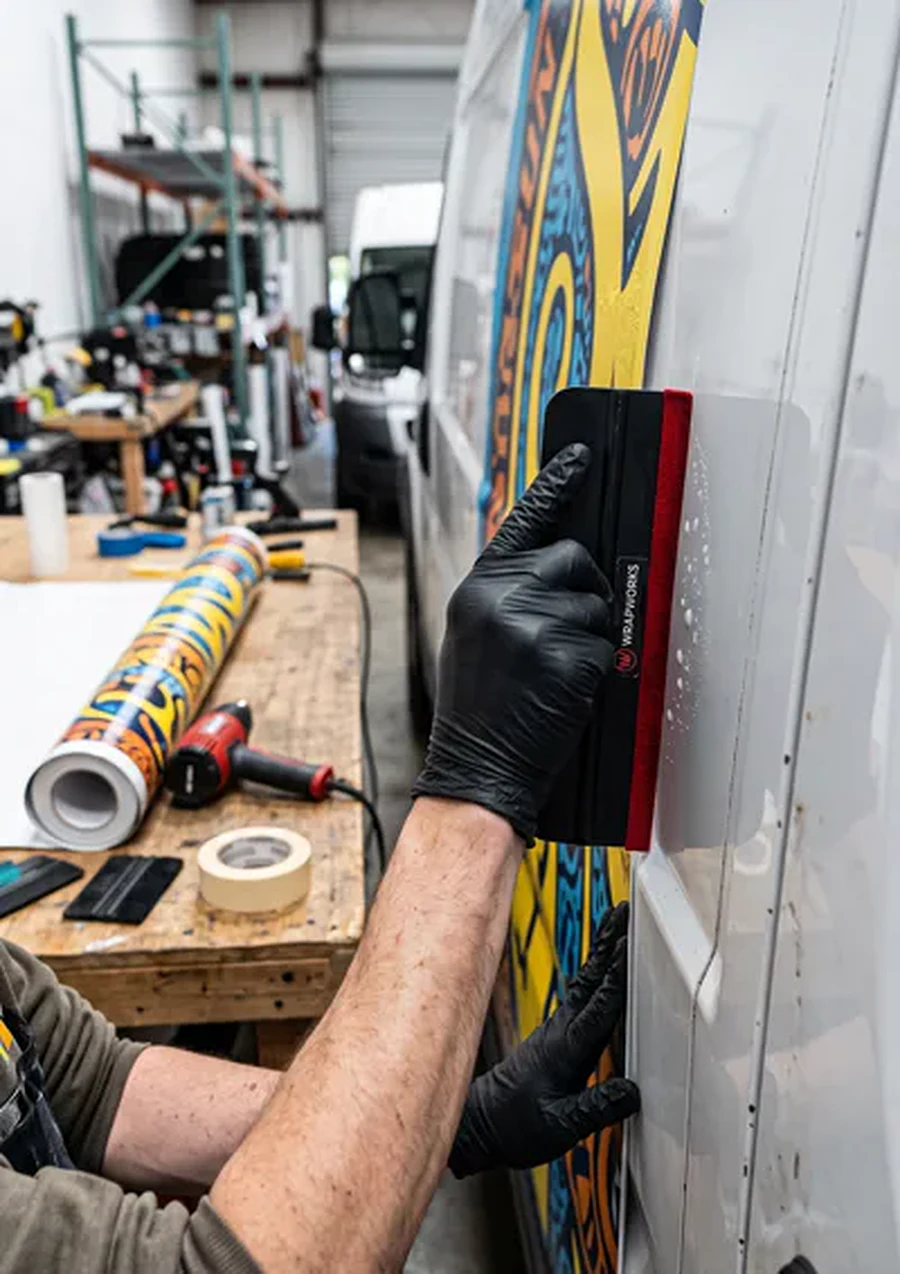
If the panel isn’t properly clayed, degreased, and alcohol-wiped before wrapping, the film won’t bond evenly – it lifts at the edges months later. Skipping post-heating (the step that relaxes the vinyl after it’s stretched) leaves the film under constant tension, which pulls at the edges as the car heats and cools in Klang’s sun. A rushed job to save an hour of labour is almost always the root cause of a wrap that starts lifting within its first few months.
5. Rushed or Rough Removal
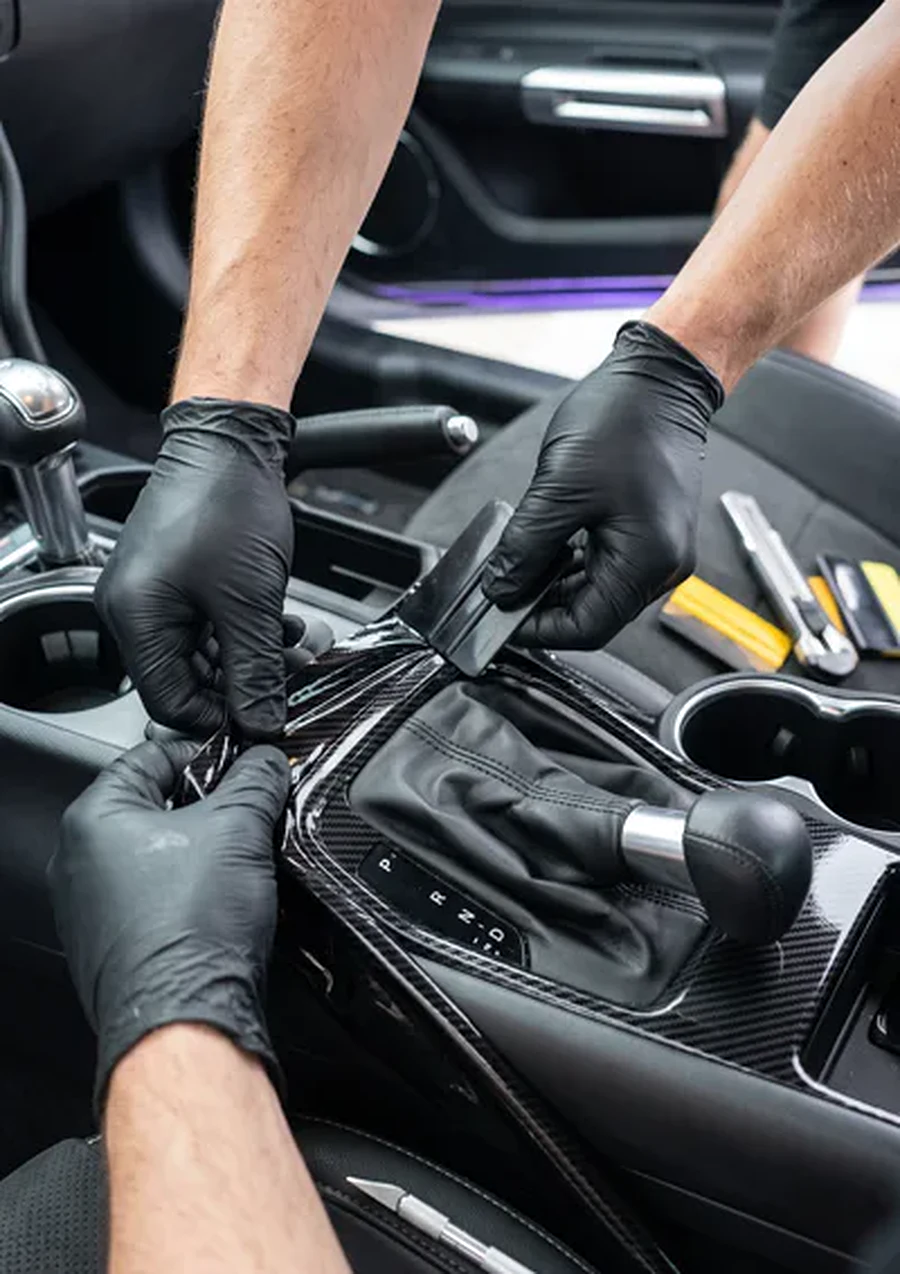
Using a metal blade directly on the paint, pulling the film cold, or ripping it off in a hurry can scuff or scratch the clear coat – not because of the wrap, but because of how it was taken off. A proper removal uses heat and a plastic tool, never metal on the paint, and it’s slower on purpose – a full car should take a few hours to remove properly, not twenty minutes.
How a Professional Car Wrap Actually Protects Your Paint
Done right, a wrap is closer to a shield than a risk:
- Blocks UV fading – the vinyl takes the sun damage instead of your paint, which matters a lot under Malaysia’s year-round direct sun.
- Stops light scratches and swirl marks from car washes, branches, and everyday parking.
- Absorbs stone chips and road debris better than bare paint on the front-facing panels.
- Keeps bird droppings and tree sap off the clear coat – both are acidic and etch paint if left too long.
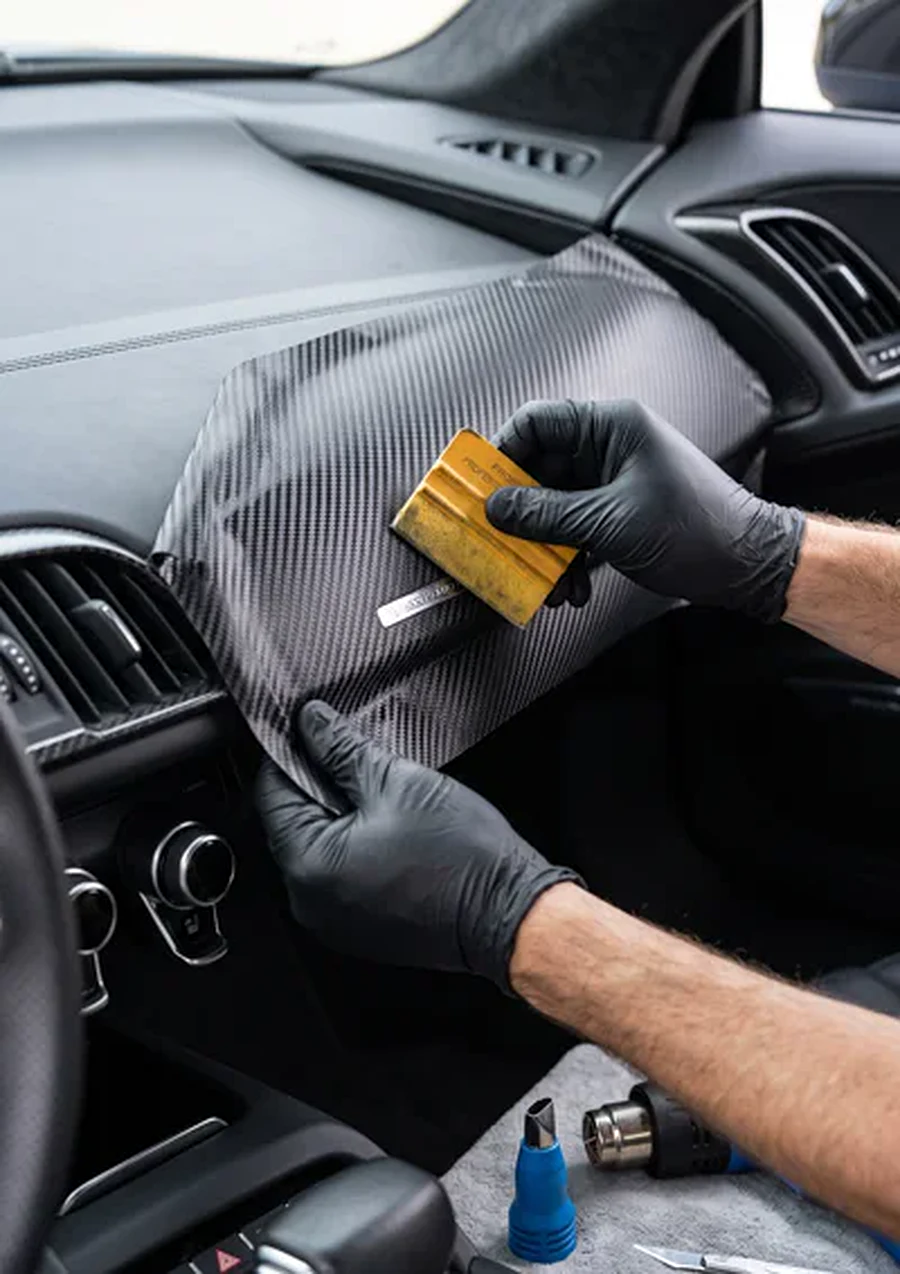
- Is fully reversible – unlike a respray, the original factory paint is still there underneath, untouched, when you remove it correctly.
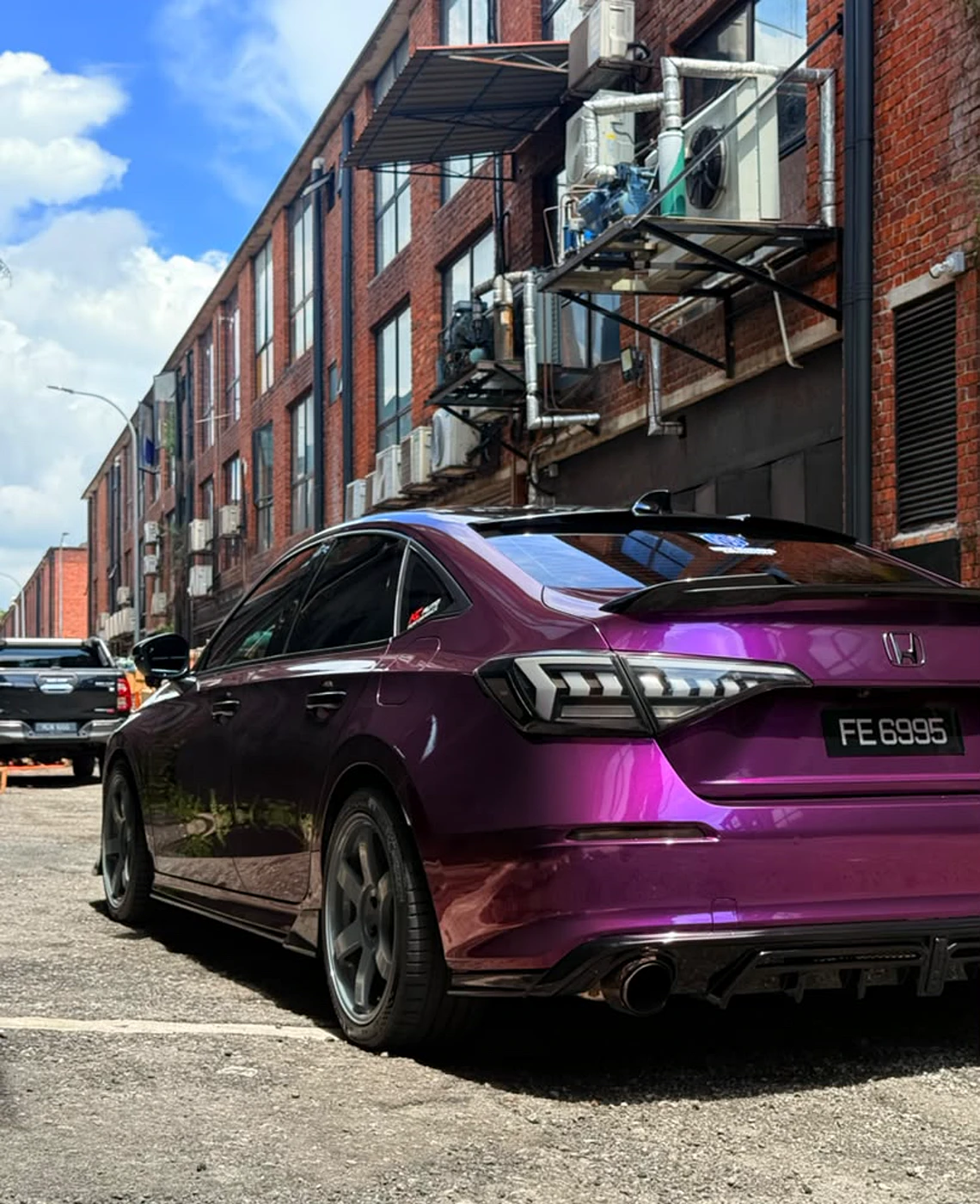
This is exactly why many owners in Klang wrap a brand-new car within the first few weeks – the paint is at its best, so it’s the safest possible time to lock in that protection.
What We Check Before Every Job at Our Klang Workshop
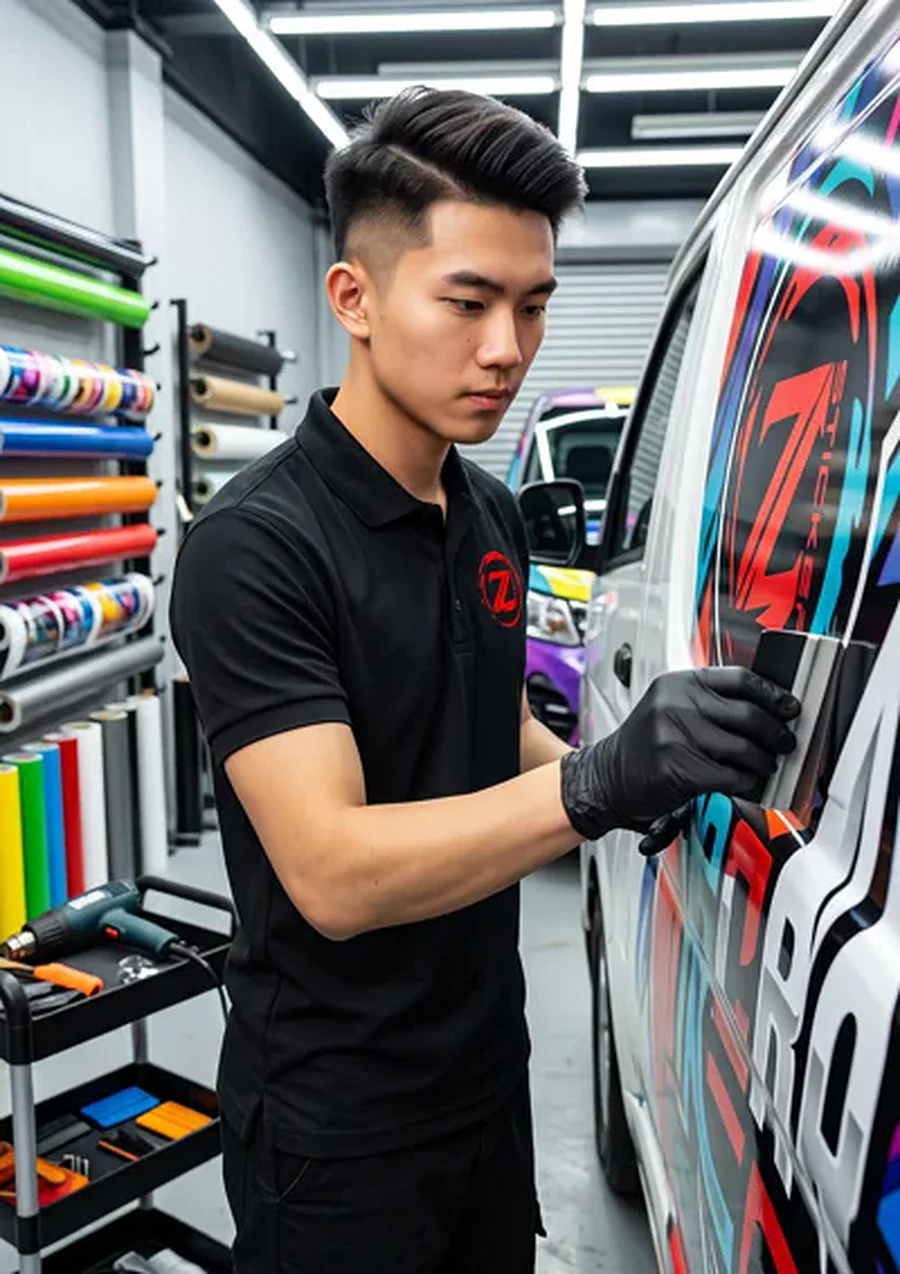
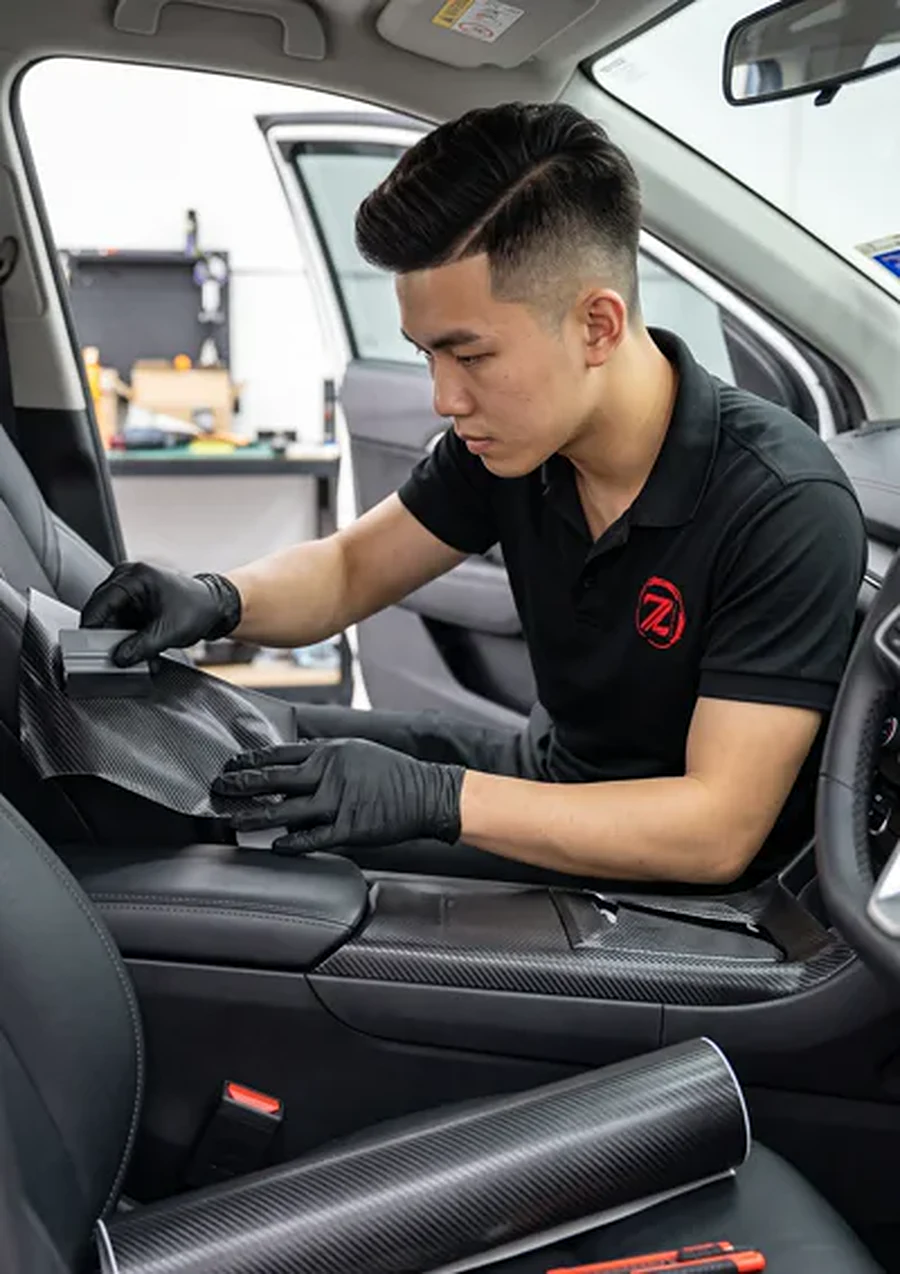
Before any car gets wrapped at Z-Sticker, we run a hand and a bright light over every panel first. Most of the time the paint is completely fine and we go straight ahead. Every so often we find a bonnet with hairline clear coat cracking from years of sun, or a rear quarter panel with old accident repair paint that’s thinner than factory paint. In those cases we tell the customer honestly – sometimes that means a light paint correction first, and sometimes it just means we note it so nobody is surprised later. That five-minute check is the real difference between a wrap that protects your car and one that causes a problem two years down the road.
How to Make Sure a Wrap Doesn’t Damage Your Paint
The outcome comes down to two things: the condition of your car, and who you choose to do the job.
- Get an honest paint inspection first. A good installer checks for cracking clear coat, rust, and old repaint work before quoting – and tells you if a panel needs paint correction first.
- Ask which vinyl brand they use. 3M, Avery Dennison, TeckWrap or Oracal – not an unnamed “premium vinyl.”
- Ask if panels get properly prepped. Clay bar, degrease, alcohol wipe – every time, every panel.
- Ask if they post-heat the film. This one step prevents most edge-lifting later.
- Don’t keep a wrap past its lifespan. Most quality vinyl lasts 3-5 years in our climate – leaving it on years longer raises the risk on removal.
What to Do If You Think Your Wrap Has Damaged Your Paint
- Bubbling or lifting edges is almost always an installation issue, not paint damage – it can usually be reheated and resealed by a professional without touching the paint.
- Sticky residue after removal can usually be safely cleaned with a proper adhesive remover and a clay bar – this is not permanent damage.
- Dull or patchy paint after removal is a sign the clear coat was already weak before the wrap – paint correction or a respray on that panel is the fix, not a reflection on the wrap itself.
- Always let a professional inspect it before assuming the worst – most “wrap damage” is fixable and far cheaper than a respray.
Questions People Ask
Does removing a car wrap always damage the paint?
No. If the paint was healthy before wrapping and the film is removed properly with heat (not scraped off cold), the original paint underneath is unaffected.
Is it safe to wrap a car with old or faded paint?
Only after inspection. Faded but intact paint is usually fine; peeling or cracked clear coat should be corrected or resprayed first, otherwise the wrap can make the damage worse when it’s later removed.
Does a wrap protect paint better than wax or ceramic coating?
Differently, not necessarily better – a wrap is a physical layer that takes the impact and UV exposure itself, while wax and ceramic coating protect the paint’s own surface. Many owners in Klang combine a wrap with ceramic coating on top for both looks and easier cleaning.
How long can a wrap safely stay on before it risks the paint?
Around 3 to 5 years with quality vinyl. Beyond that, the film becomes brittle and harder to remove cleanly, which raises the risk during removal.
Will a car wrap hide small dents or paint chips?
It hides colour differences and light surface marks visually, but it will not fill or smooth a dent – the vinyl follows the shape of whatever is underneath, including dents. For anything more than a light chip, get it fixed before wrapping so the finish looks right and the panel isn’t stretching the film over an uneven surface.
Is a matte or satin wrap more likely to show paint damage underneath than gloss?
Not really – all finishes are equally thin and will telegraph a dent or ridge if one exists underneath, but a matte finish tends to hide very fine surface imperfections in the original paint slightly better than a high-gloss finish, which reflects light more and shows every flaw.
Read next: Full car wrap guide · Car wrap removal · PPF paint protection
A wrap fitted by a proper installer, using real automotive vinyl, on paint that’s actually ready for it, is one of the safest things you can do to your car’s finish – it protects far more than it risks. The few real horror stories almost always trace back to bad paint underneath, cheap film, or a rushed job, not the idea of wrapping itself.
Z-Sticker is based in Taman Sentosa, Klang, Selangor, and every quote starts with an honest look at your paint before we recommend a wrap. WhatsApp a few photos of your car to +60 16-343 8343 and we’ll tell you straight whether it’s ready.