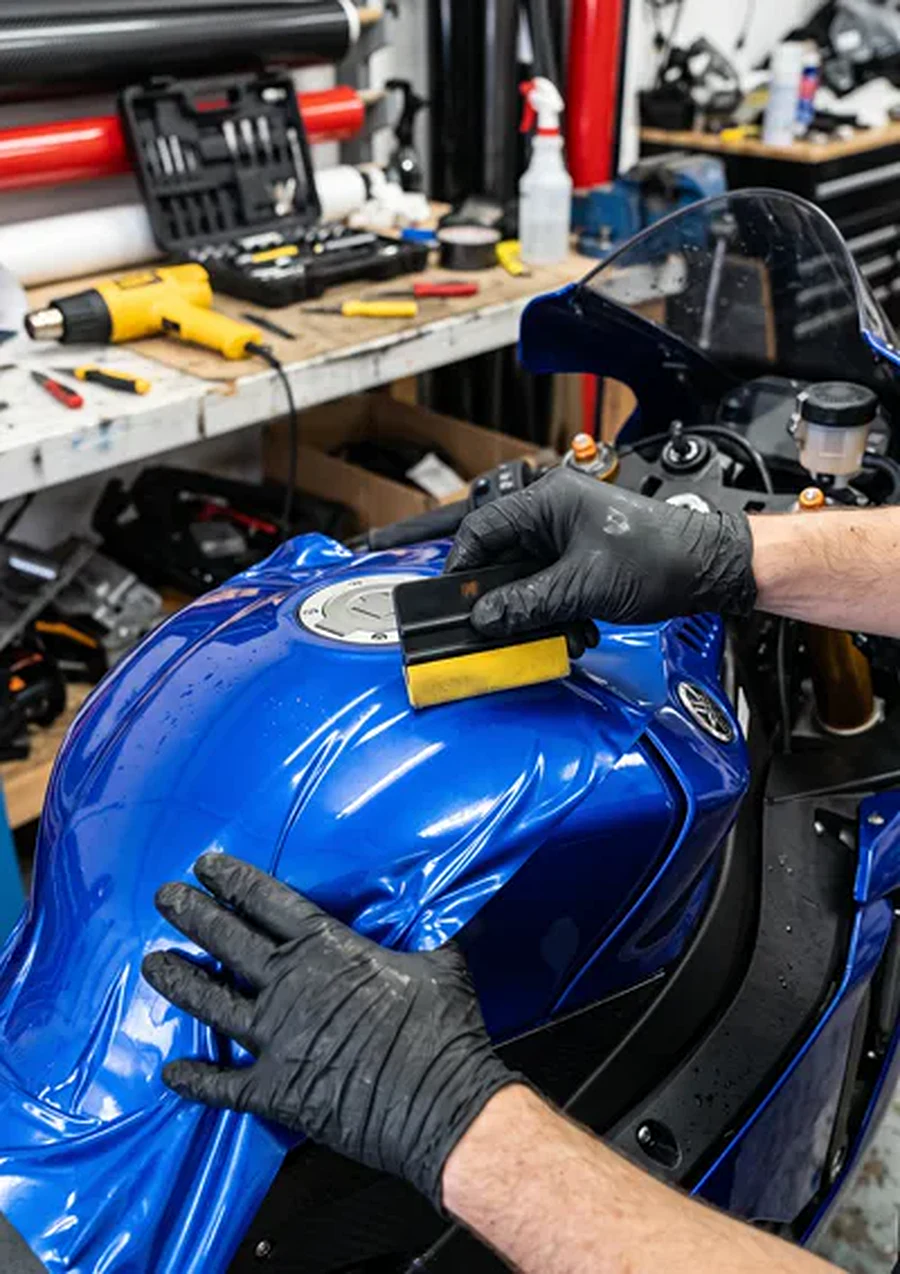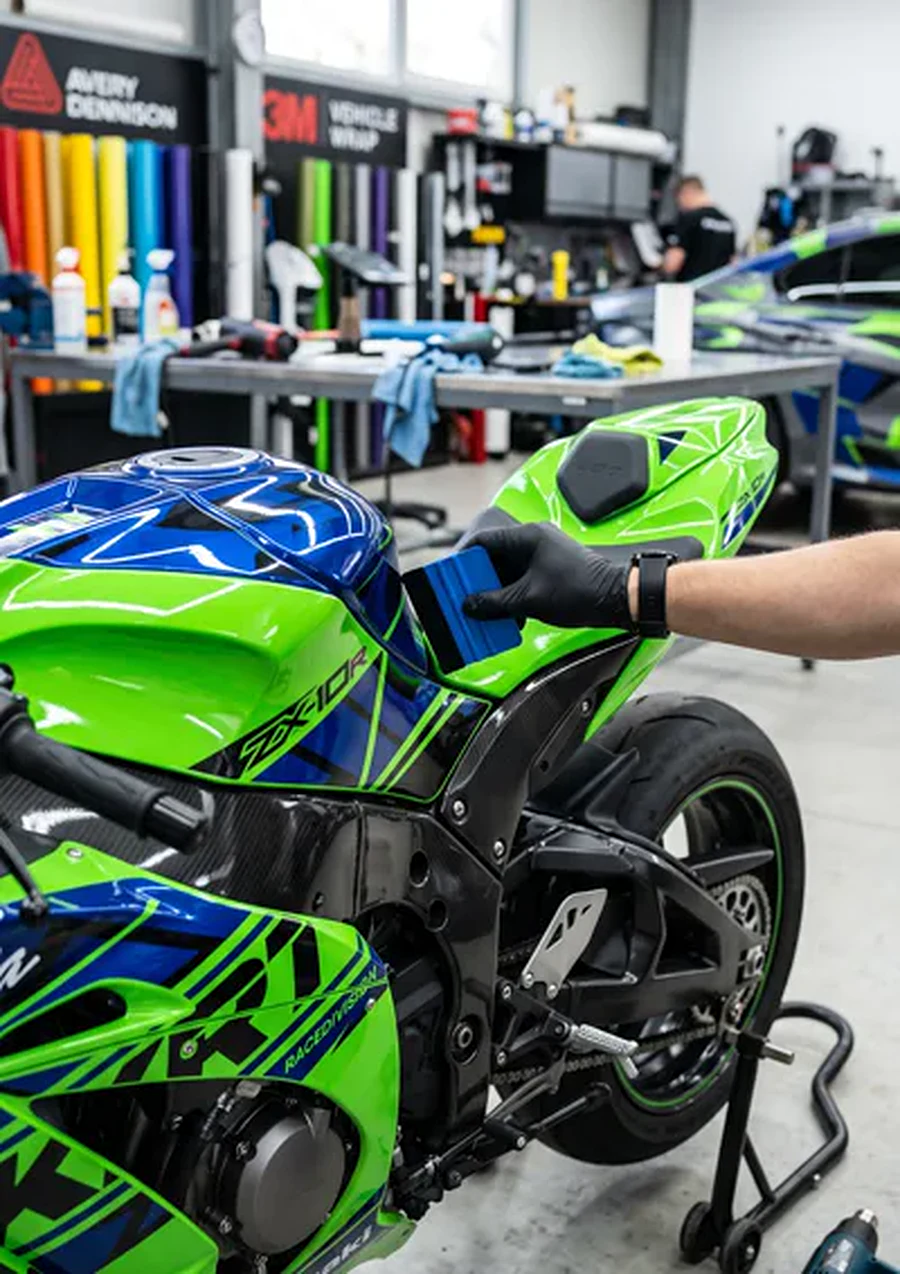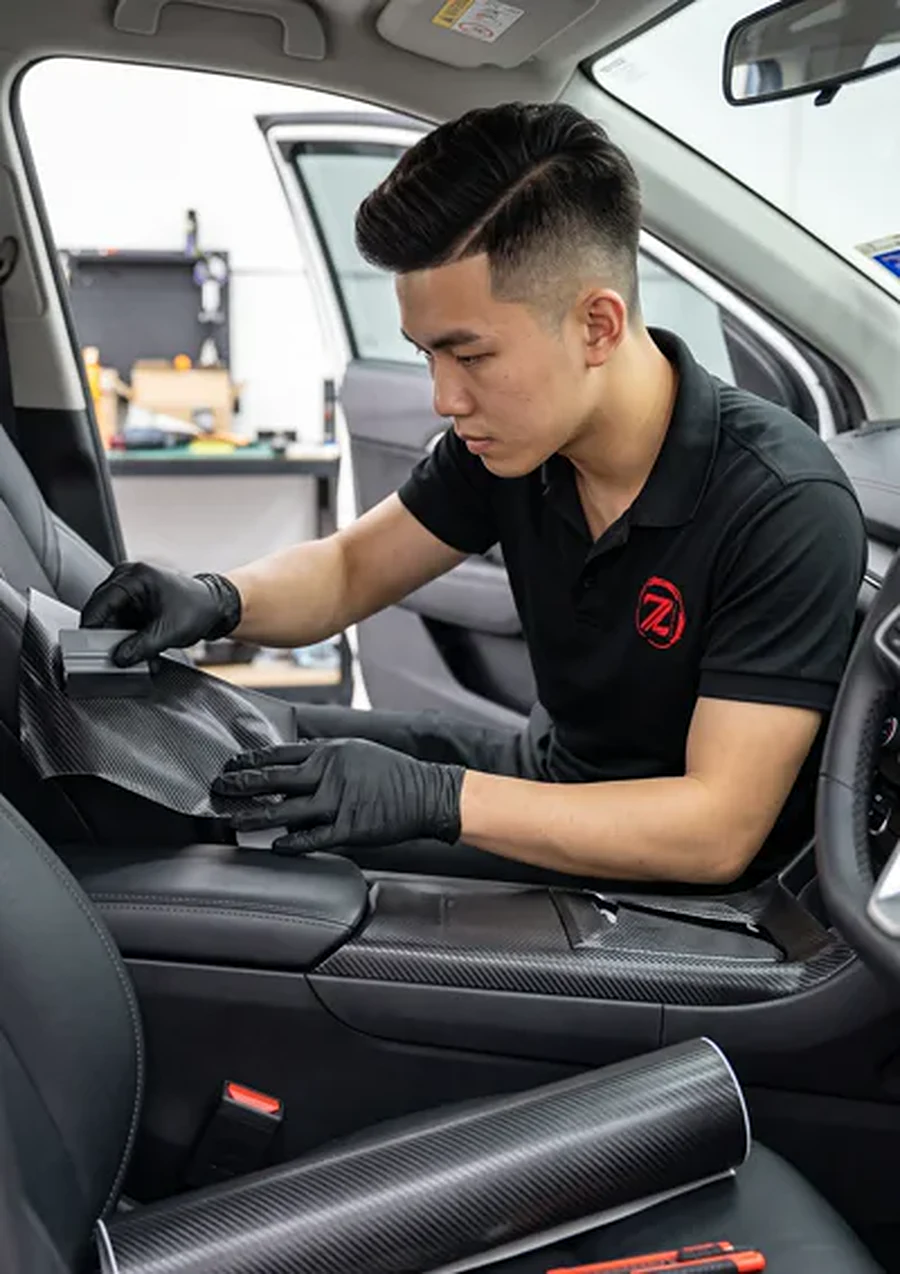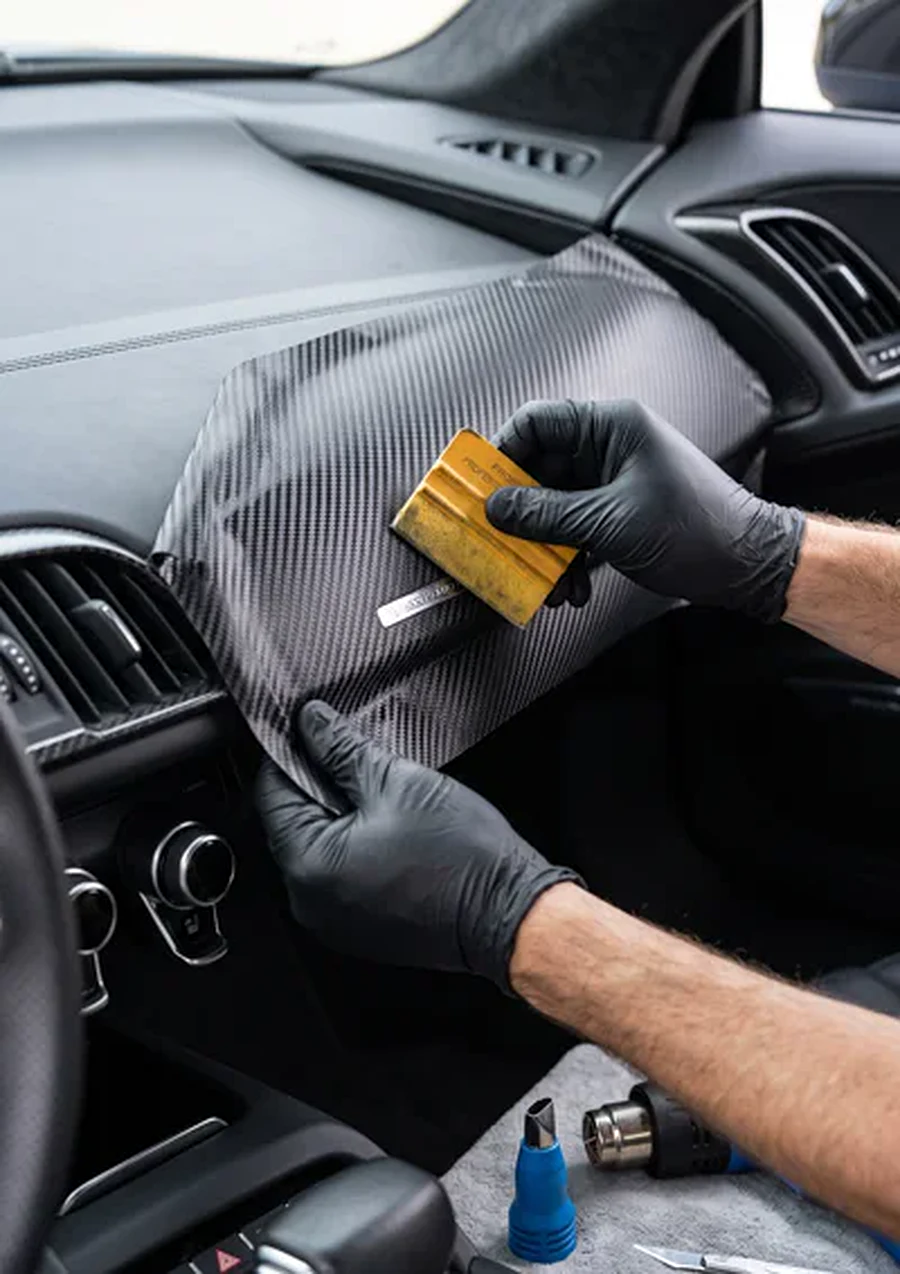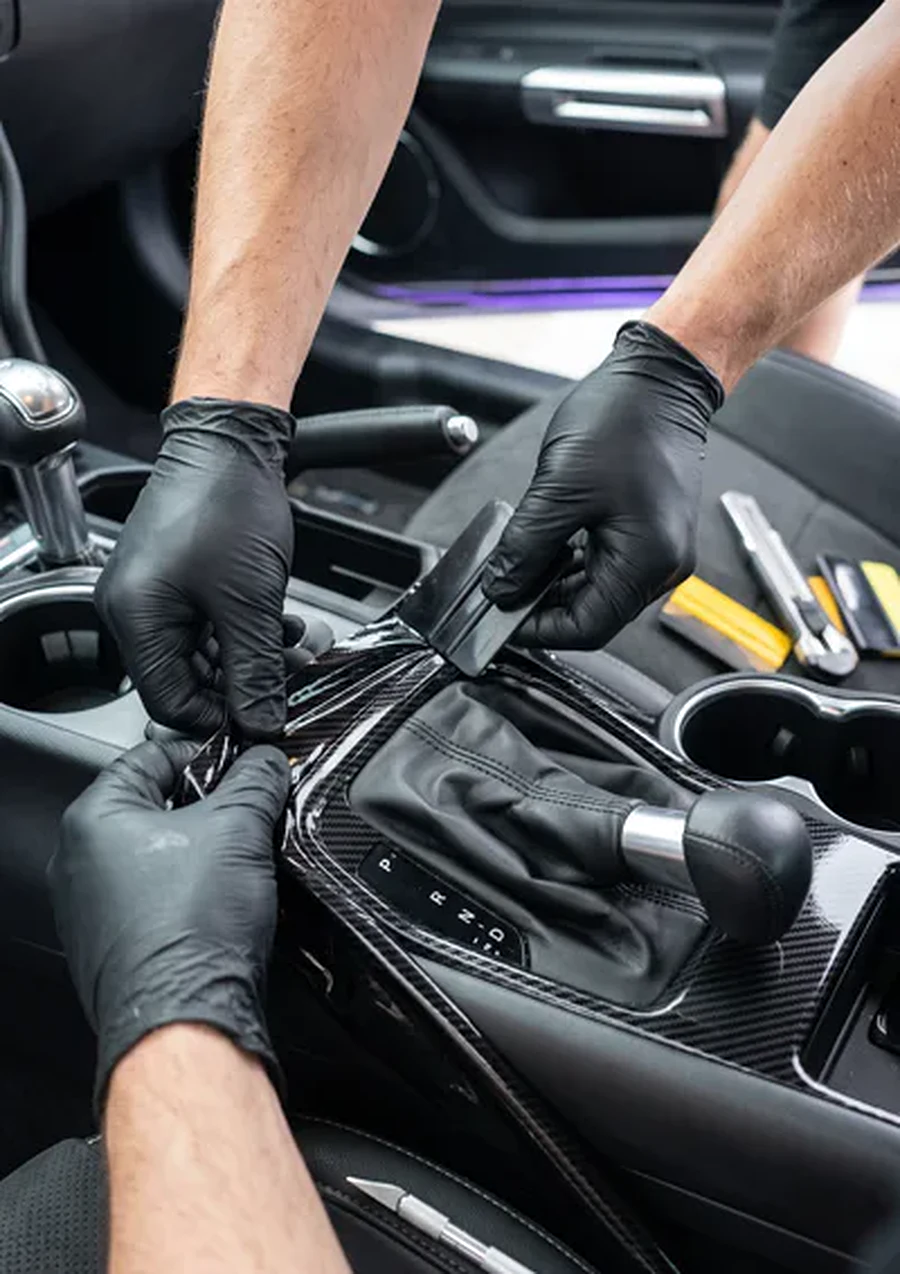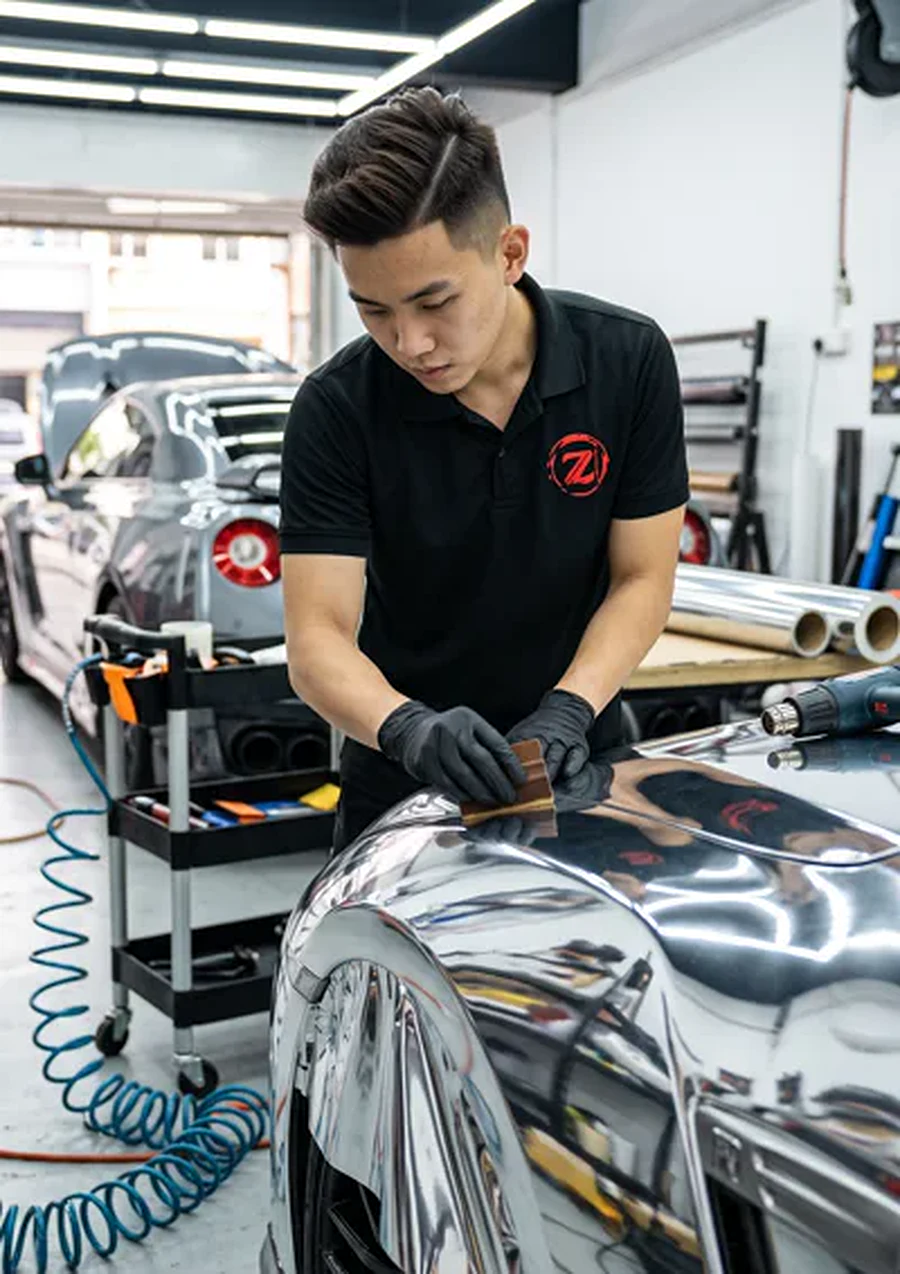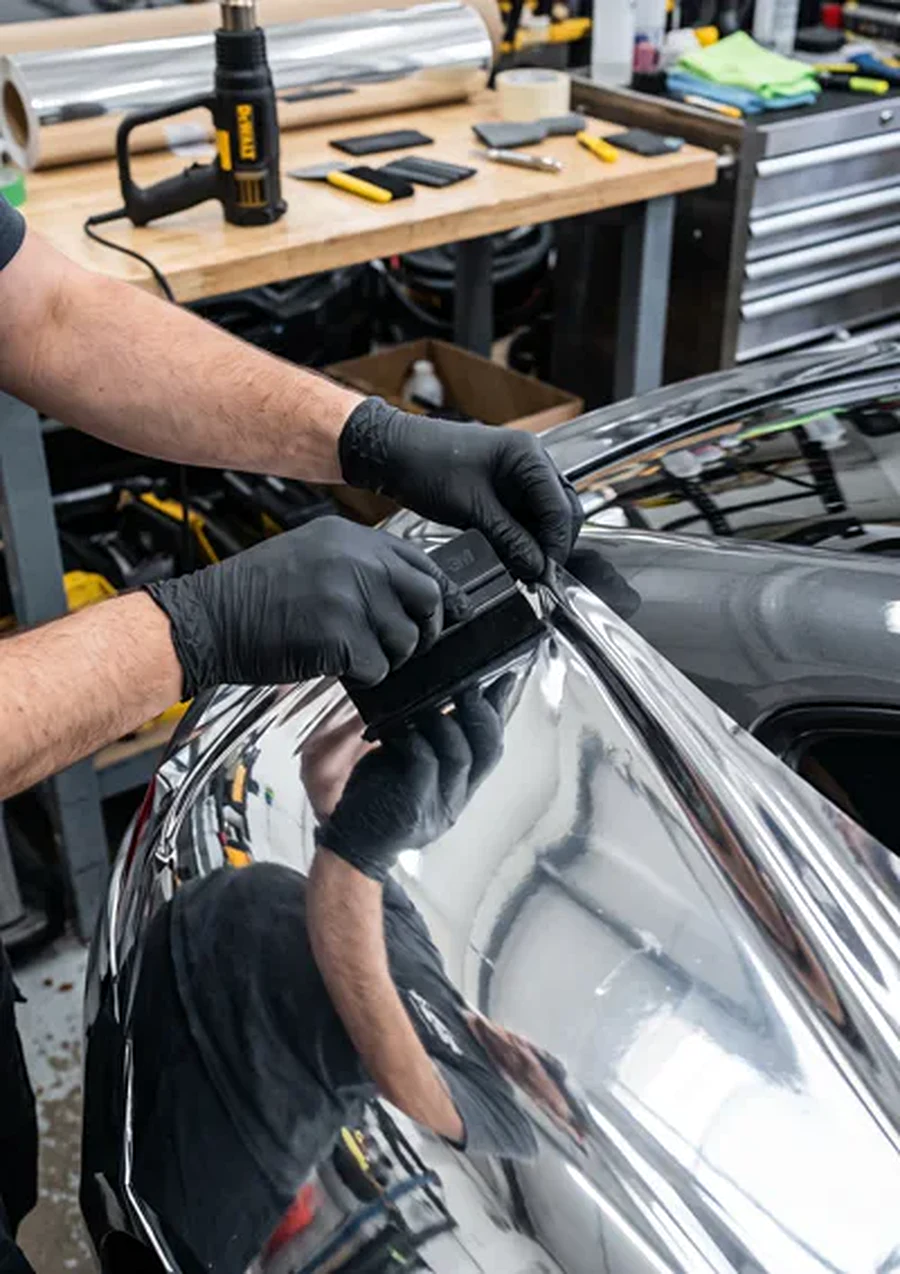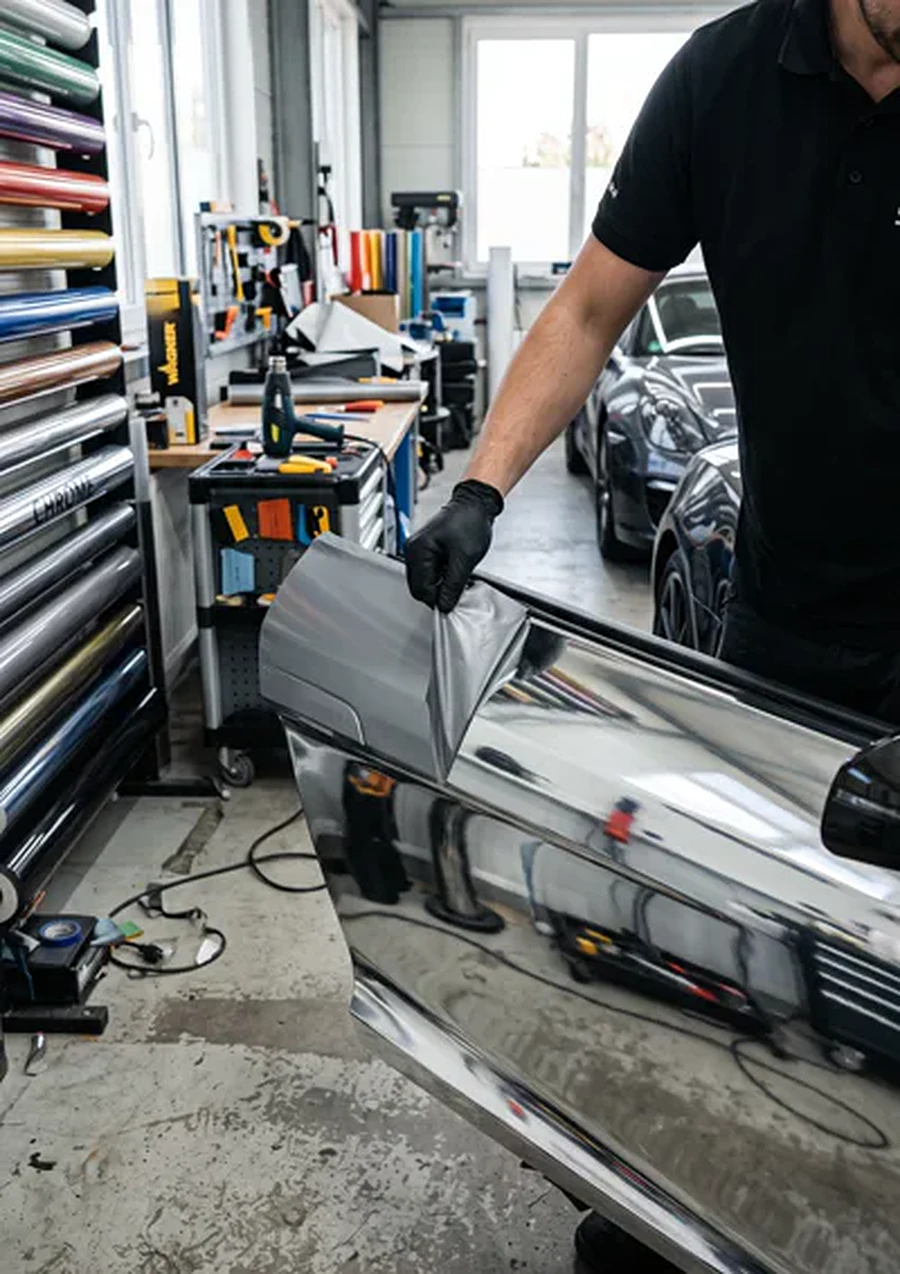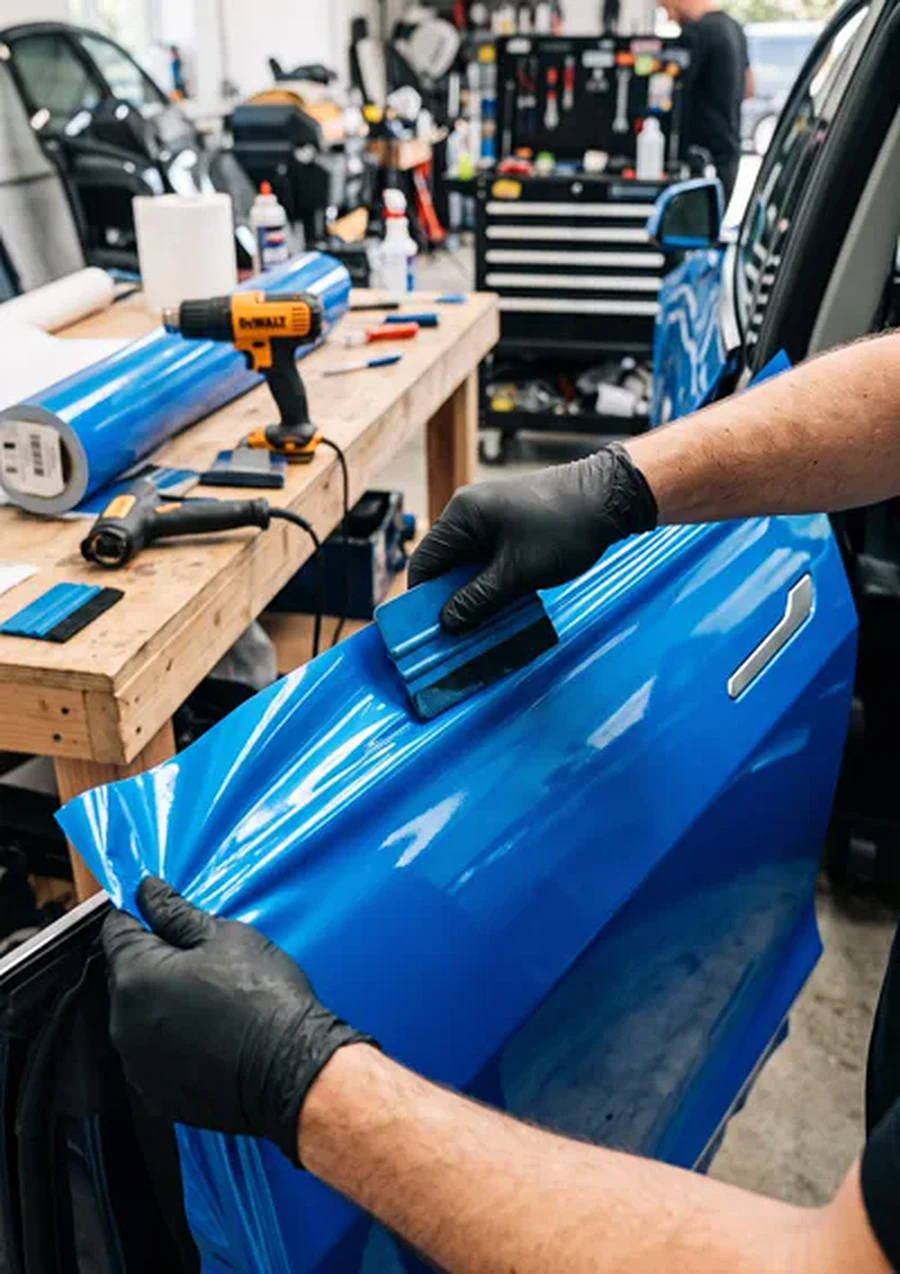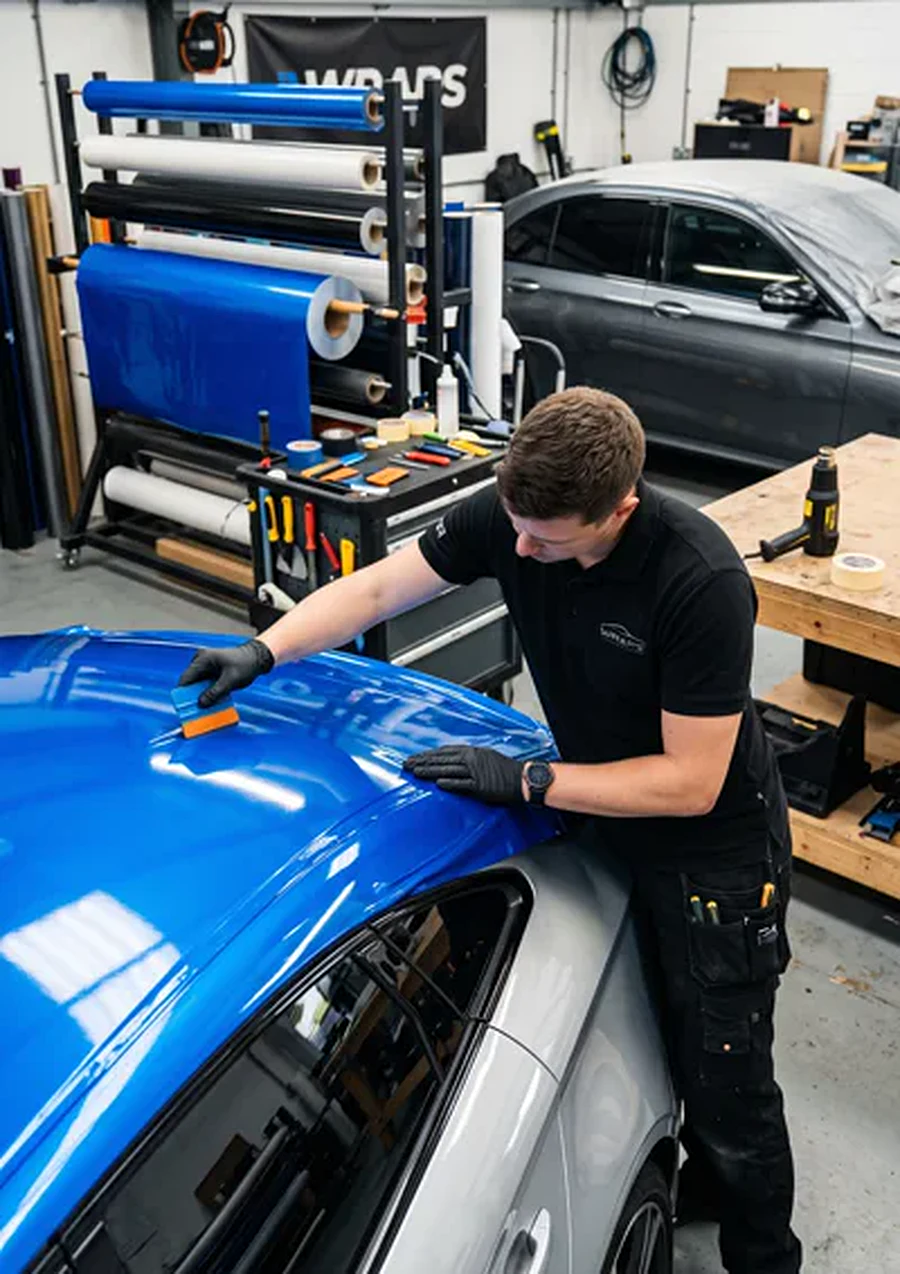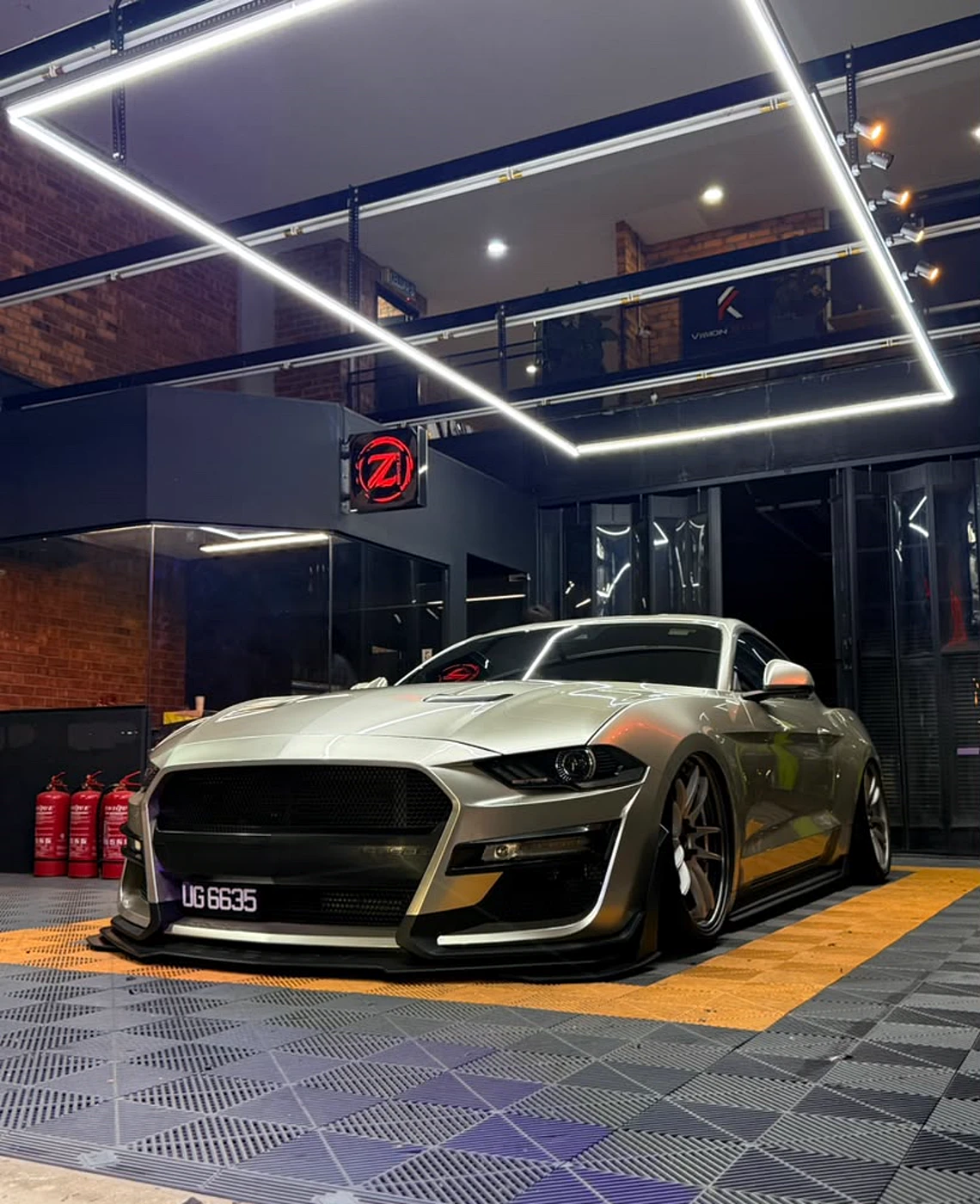
It depends on the damage – you can wrap a car with scratches or faded paint as long as the clear coat itself is intact. Light swirl marks, faded colour, and shallow scratches you can’t feel with a fingernail are usually fine to wrap straight over; the vinyl often hides them well. Deeper scratches down to primer or metal, dents, chalky oxidised paint, or a clear coat that’s already peeling need to be fixed first – wrapping over them traps the problem and can make it worse when the wrap eventually comes off.
Below is the honest breakdown: exactly which types of damage a wrap can hide, which ones need fixing first, why skipping prep causes real problems, and what a proper inspection looks like before you book.
Can You Wrap a Car With Scratches or Faded Paint? Quick Answers
| Question | Quick answer |
|---|---|
| Light scratches/swirls? | Yes – usually fine to wrap over |
| Faded colour? | Yes – a wrap often improves the look |
| Deep scratches (feel with a nail)? | No – fix first |
| Dents? | Fix first – PDR is usually cheap |
| Peeling clear coat / oxidised paint? | No – must be corrected or resprayed first |
| Rust? | No – repair the panel first |
What Kind of Damage a Wrap Can Safely Hide
A wrap is genuinely good at disguising certain cosmetic issues, which is one of the reasons people choose it over a full respray:
- Faded or sun-bleached colour – very common on older Malaysian cars parked outdoors; a fresh wrap covers this completely.
- Shallow swirl marks and light scratches – the kind you can only really see under direct light, not feel with your finger.
- Minor colour mismatch from small touch-up paint jobs – a full wrap evens this out across the whole panel.
- General wear and dullness – a tired-looking but structurally sound paint job comes back to life under a wrap.
The simple test: if you run a fingernail across the mark and can’t feel a groove or edge, it’s usually shallow enough for the vinyl to stretch over cleanly. This is actually one of the more common reasons people choose to wrap in the first place – a car that’s spent years in Klang’s sun with the paint visibly dulled or faded often looks better wrapped than it ever did with a fresh respray, at a fraction of the cost.
What Needs to Be Fixed Before Wrapping
A vinyl wrap is thin and stretches tightly over whatever is underneath it – it will not hide or smooth out anything with actual depth or texture. These issues need attention first:
- Dents – even a small one becomes more obvious once wrapped, especially in gloss or chrome finishes, because the film highlights the change in surface angle. Paintless dent removal (PDR) is usually a quick, affordable fix beforehand.
- Deep scratches or chips down to primer or bare metal – these need filling and light touch-up so the surface is smooth before the vinyl goes on.
- Peeling or cracked clear coat – the adhesive will grip onto the loose clear coat, and removing the wrap later can pull it off in patches. This needs paint correction or a respray first, not a wrap on top.
- Chalky, oxidised paint – badly oxidised paint has a rough, powdery surface that vinyl doesn’t bond to properly, leading to early lifting.
- Rust – trapping a rusting panel under a wrap seals in moisture and speeds up corrosion rather than stopping it. The rust needs to be treated and the panel repaired first.
Why Skipping Prep Ruins the Result (and the Paint)
Good installers say preparation is roughly 80% of how a finished wrap looks – and it’s also what protects your paint long-term. Wrapping over unfixed damage causes two separate problems:
- The wrap looks worse, not better. A vinyl wrap is like stretching fabric over gravel – every dent, chip, and rough patch telegraphs through the surface, especially in gloss and chrome finishes.
- The wrap fails early. Poor adhesion on oxidised or damaged paint means the film lifts, bubbles, or peels at the edges within months instead of lasting years.
- The paint gets worse underneath. Moisture trapped against already-failing clear coat or rust accelerates the exact problem you were hoping to cover up.
This is also the single biggest cause of the complaint “the wrap damaged my paint” – in almost every case, the paint was already compromised before the wrap ever went on, and the wrap simply revealed it later during removal. It’s rarely the vinyl’s fault; it’s almost always a case of skipping the honest inspection step that should happen before any quote is given.
We see this pattern often at our Klang workshop: a customer wants a quick, cheap wrap on a car that’s had a few years of sun exposure and a couple of minor bumps. Taking twenty extra minutes to properly assess the paint – rather than just measuring for vinyl and quoting on the spot – is what prevents a disappointing result and an unhappy customer six months later.
What a Proper Pre-Wrap Inspection Looks Like
Before quoting any job, a good installer should run a hand and a bright light over every panel, checking specifically for:
- Depth of any scratch – felt with a fingernail, not just seen.
- Dents – even small door-edge dings that are easy to miss in normal light.
- Clear coat condition – looking for hairline cracking, cloudiness, or lifting at edges and corners.
- Rust spots – especially around wheel arches, door bottoms, and any previously repaired panels.
- Old touch-up paint – which may not bond the same way as factory paint underneath the vinyl.
If anything needs attention, an honest installer tells you upfront – sometimes that means a quick round of paintless dent removal or paint correction before the wrap, and sometimes it just means noting the area so you’re not surprised later. Either way, this five-minute check is what separates a wrap that lasts and looks sharp from one that causes problems down the line.
It’s worth asking to be present for at least part of this inspection, or asking your installer to point out anything they find. Most owners are genuinely surprised at how much a trained eye and a raking light picks up that isn’t visible in normal daylight – and it’s far better to know before the vinyl goes on than after.
Questions People Ask
Will a matte wrap hide scratches better than gloss?
Slightly – matte finishes reflect less light so very fine surface marks are less noticeable, but neither finish will hide anything with real depth, like a dent or a deep scratch.
Can I get paint correction and wrapping done at the same appointment?
Yes, most workshops (including ours) can do paint correction or PDR first and wrap the same car right after, once the panel is properly prepped and cured.
Does a cheap wrap hide damage better than a quality one?
No – if anything, thicker or lower-grade vinyl can actually highlight surface irregularities more, since it doesn’t stretch and settle as cleanly as proper cast automotive film. Genuine cast vinyl from brands like 3M or Avery Dennison is thinner and more conformable, which actually does a better job of settling smoothly over minor imperfections than a cheaper, stiffer film.
What happens if I wrap over rust without knowing it’s there?
It will likely spread underneath the film unnoticed, since trapped moisture speeds up corrosion – this is why a proper inspection, especially around wheel arches and door bottoms, matters before any wrap job.
Should I get a professional inspection even if my car looks fine?
Yes – many issues like early clear coat cracking or light oxidation aren’t obvious under normal lighting and only show up under a raking light or after a clay bar test, which is exactly what a proper pre-wrap check is for.
Can wrapping over faded paint make the fading worse later?
No – if the clear coat itself is intact, a wrap actually protects faded paint from further UV damage. The fading itself is cosmetic and won’t progress once it’s covered, and the paint underneath is generally in the same condition when the wrap eventually comes off.
Read next: Does car wrap damage paint? · Full car wrap guide · Car detailing
Most cosmetic wear – faded colour, light swirls, shallow scratches – wraps beautifully and often looks better than before. Anything with real depth – dents, deep scratches, peeling clear coat, rust – needs fixing first, or it’ll show through the film and can cause the wrap to fail early. A proper inspection before quoting is what tells the difference.
Z-Sticker is based in Taman Sentosa, Klang, Selangor, and we check every panel honestly before quoting – including telling you if something needs fixing first. WhatsApp us photos of your car at +60 16-343 8343 for a free assessment.