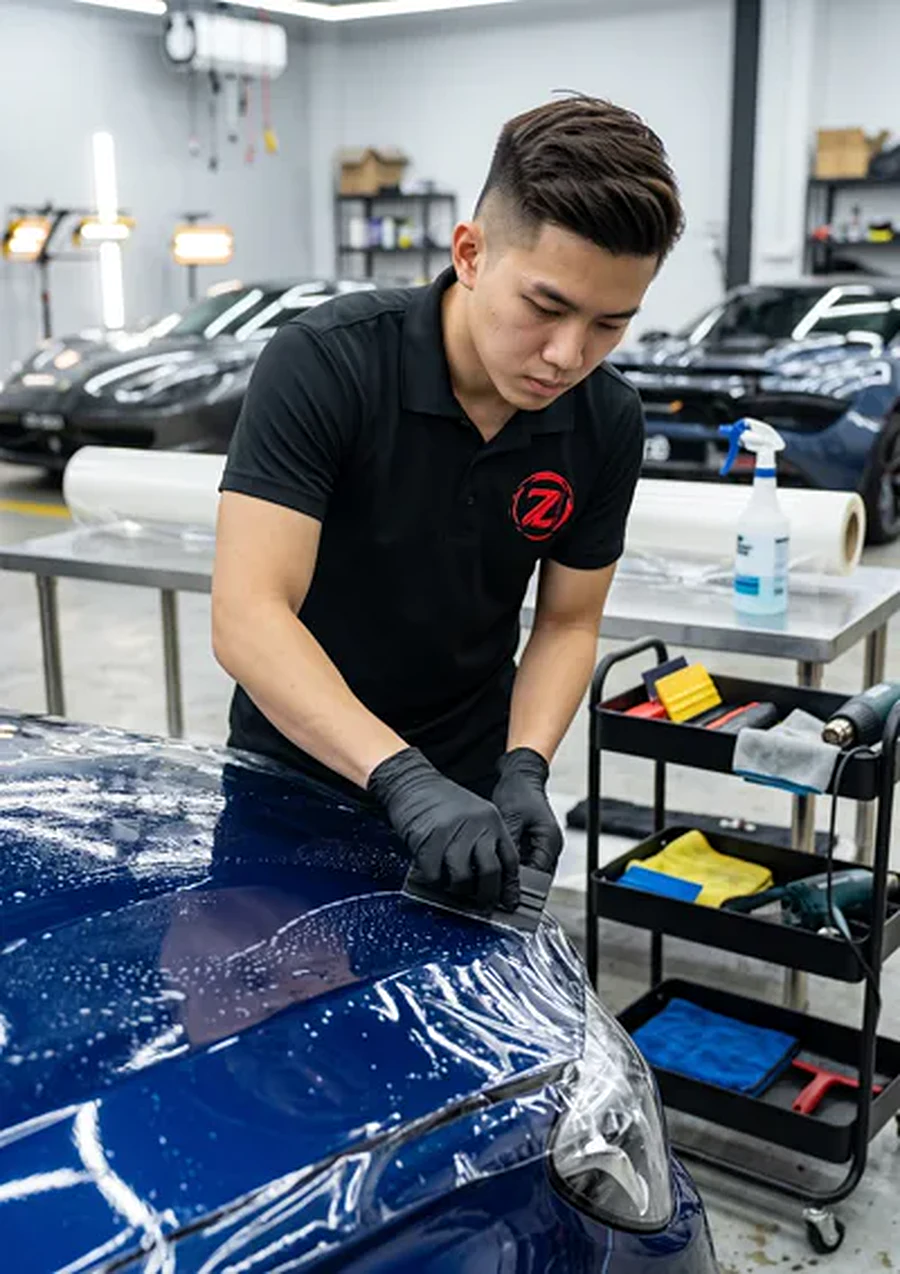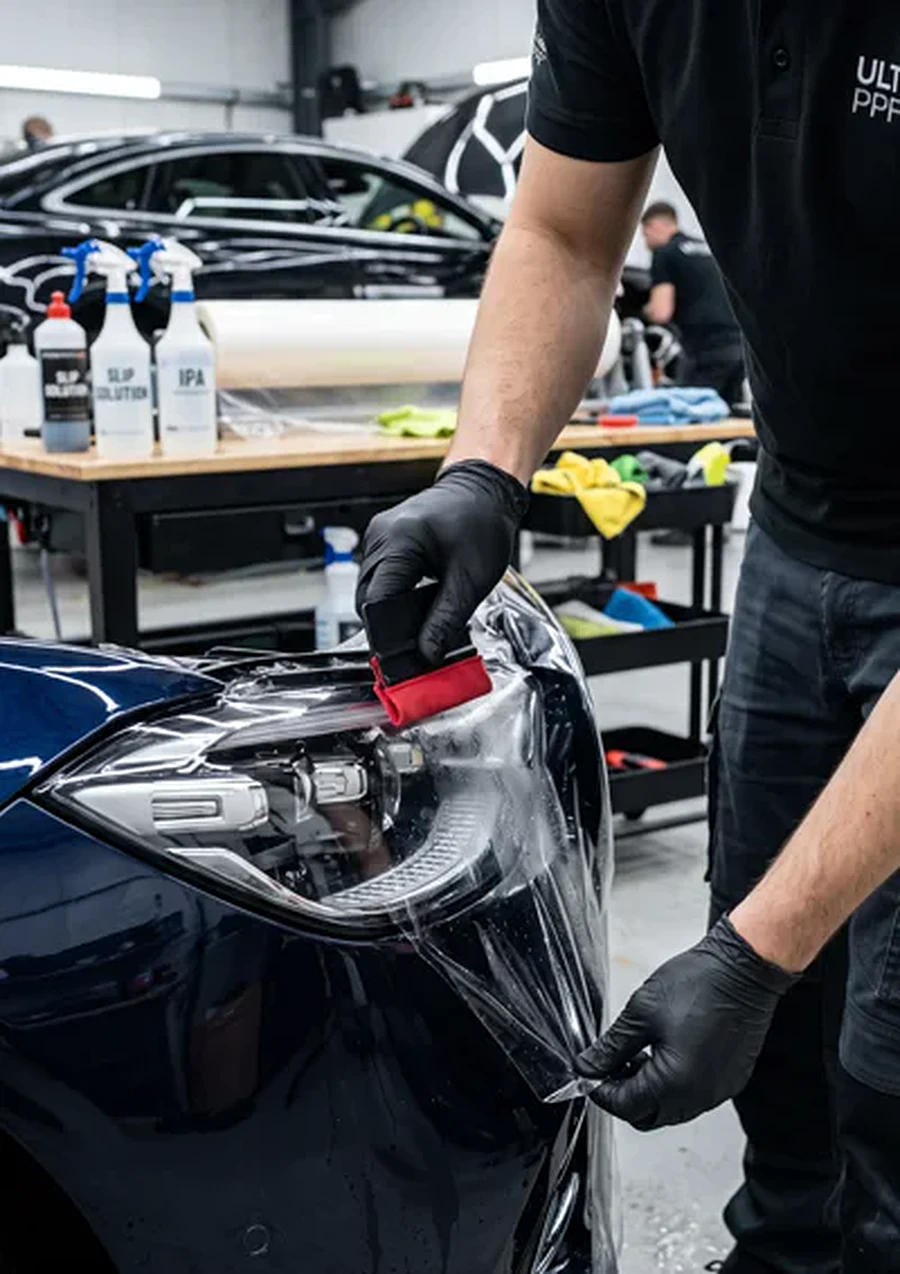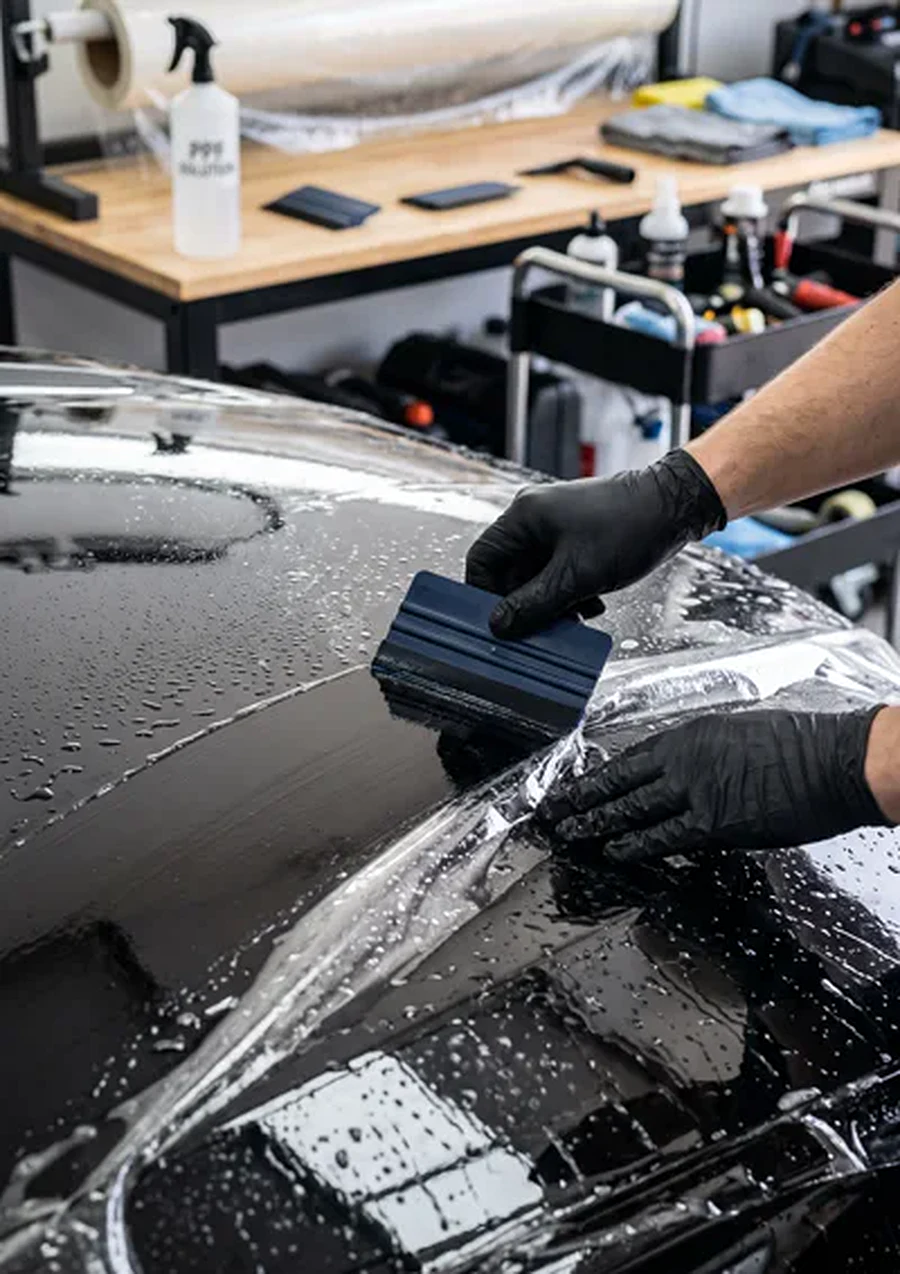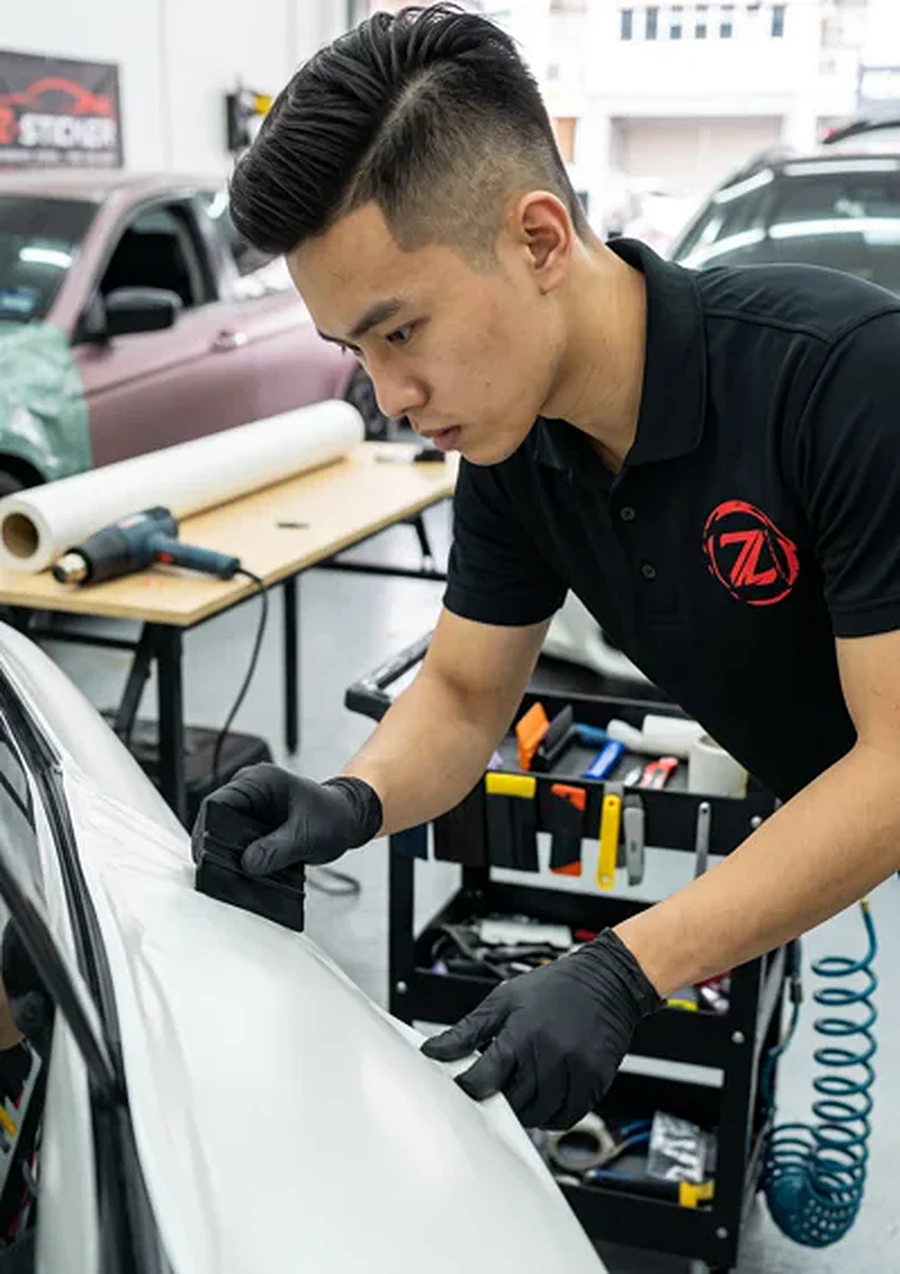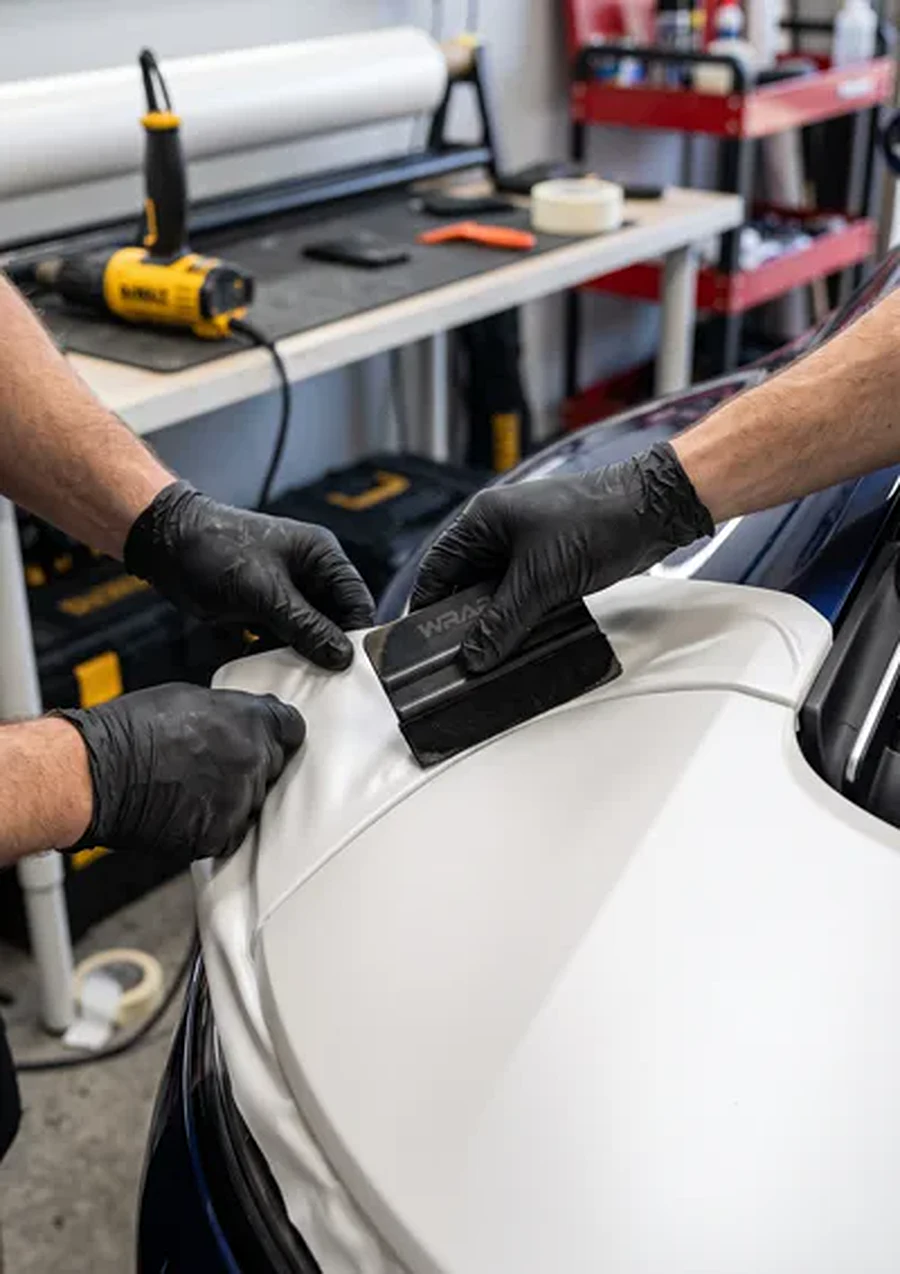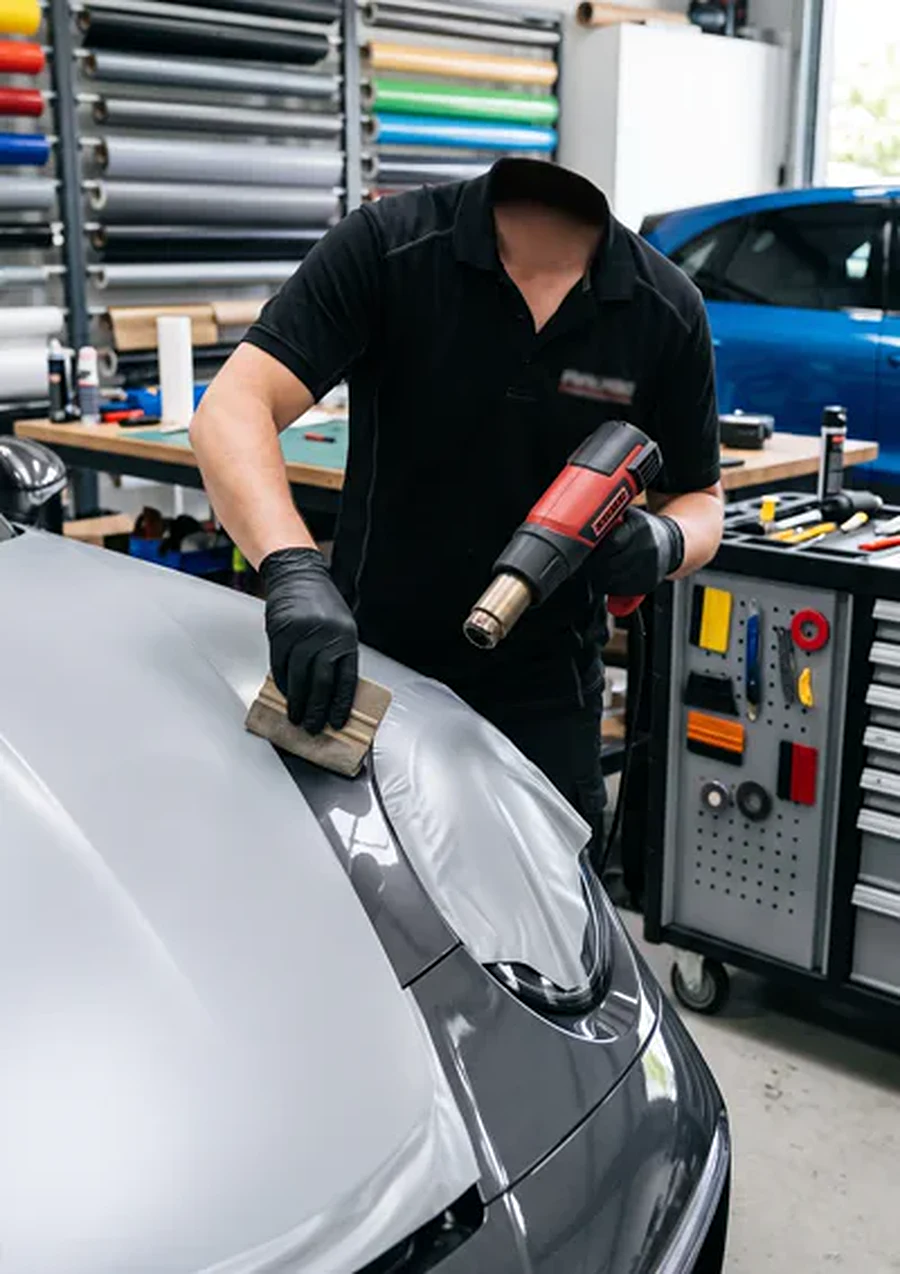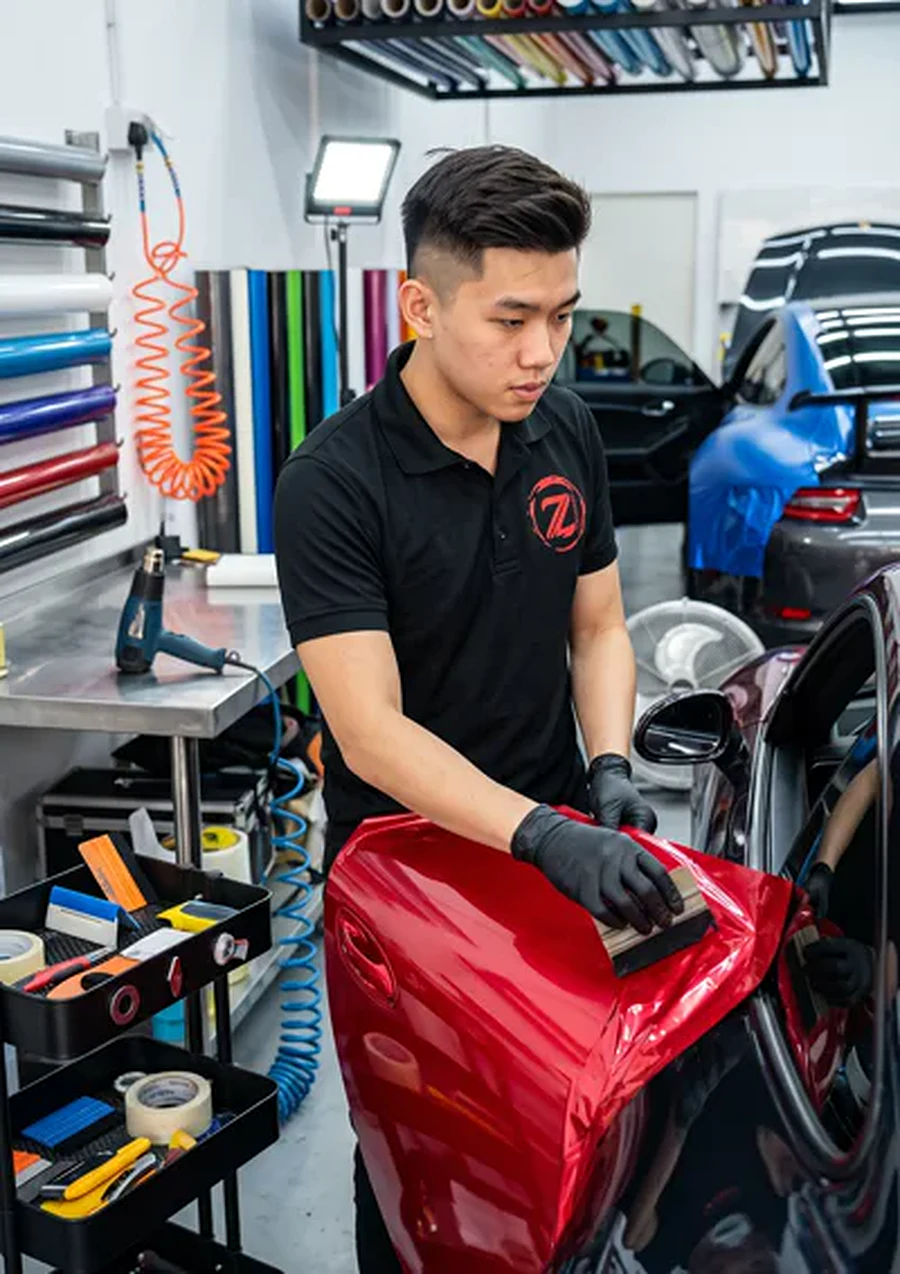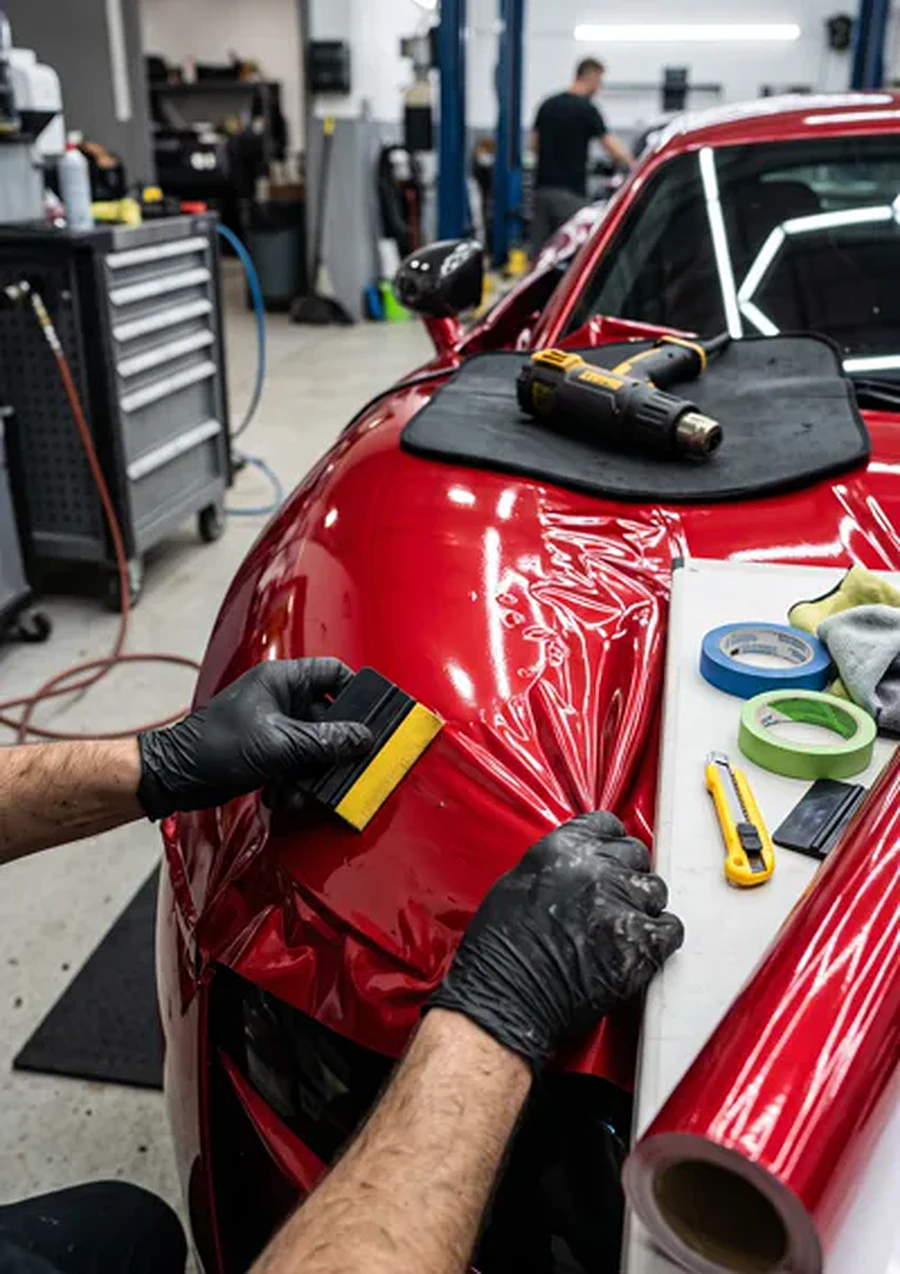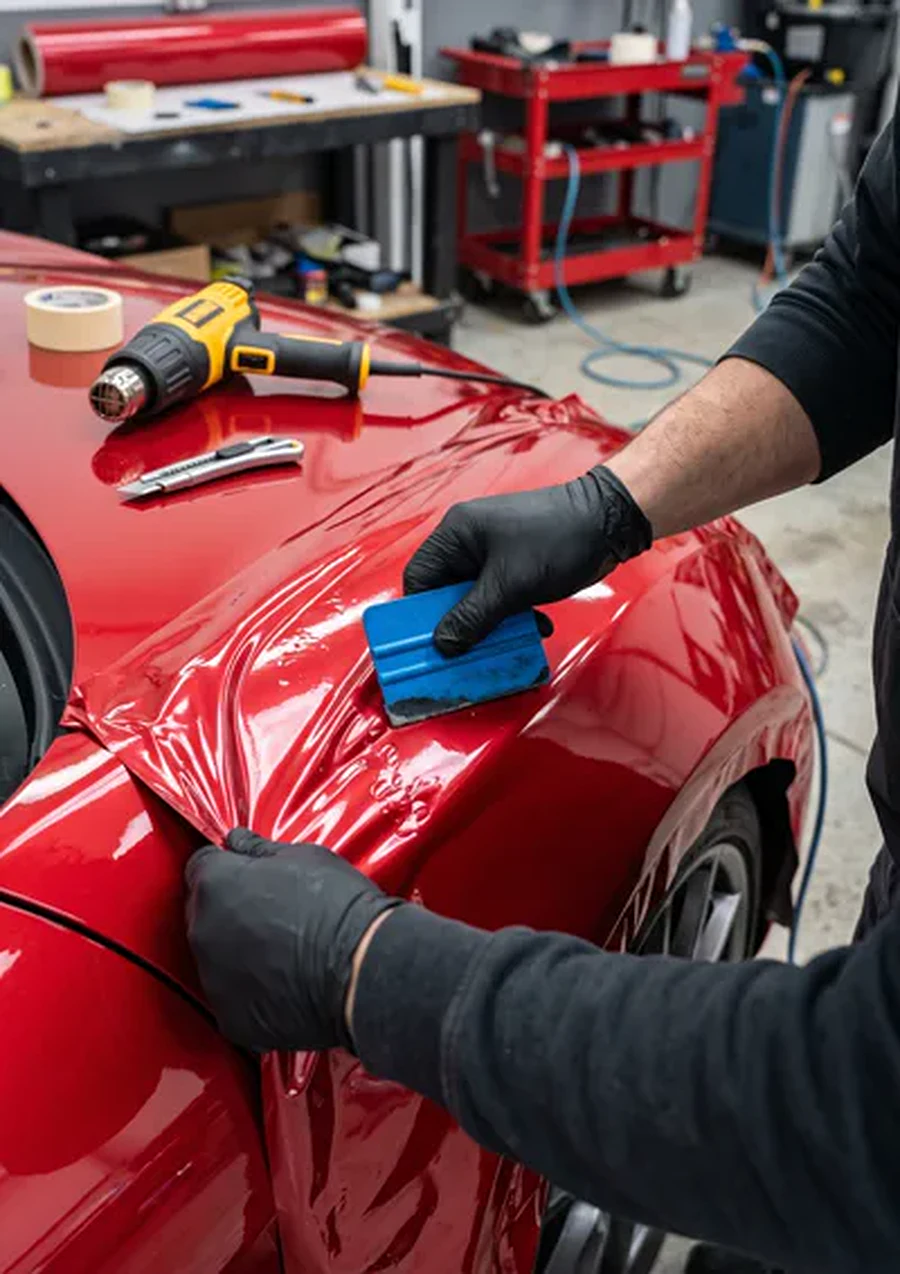
Honestly – ceramic coating reduces light scratches and swirl marks, but it does not stop stone chips or deep scratches. It’s a thin liquid polymer layer that bonds to the clear coat, adding some hardness and a slick, easy-to-clean surface, but it isn’t thick or flexible enough to absorb the impact of a stone at highway speed or a deep key scratch. The “9H hardness” often advertised is a pencil-hardness lab test, not a real-world impact rating. For genuine chip and scratch protection, PPF is the product built for that job – ceramic coating is about gloss, ease of cleaning, and light scratch resistance.
Below is the honest breakdown of what ceramic coating actually does well, what the 9H rating really means, and how it compares to PPF for real protection.
Does Ceramic Coating Stop Scratches? Quick Answers
| Question | Quick answer |
|---|---|
| Stops light swirl marks? | Yes, noticeably reduces them |
| Stops deep scratches? | No |
| Stops stone chips? | No |
| Does “9H” mean scratch-proof? | No – it’s a lab pencil-hardness test |
| Better for chip protection? | PPF |
What Ceramic Coating Actually Protects Against
Ceramic coating is genuinely good at what it’s designed for:
- UV fading and oxidation – it forms a protective layer against sun damage over time.
- Light swirl marks and micro-scratches – from hand washing and everyday contact, it noticeably reduces how easily these mark the surface.
- Chemical staining – bird droppings, tree sap, and bug splatter are less likely to etch the paint if cleaned within a reasonable time.
- Easier cleaning – its hydrophobic surface means water, dirt, and grime slide off more easily, which is often the benefit owners notice most day to day.
What it isn’t designed for is absorbing impact – and that’s the source of most of the confusion around what ceramic coating can do. Think of it less as armour and more as a slick, tough topcoat – it makes the surface harder to mark in everyday situations and much easier to keep clean, but it doesn’t add meaningful thickness or flexibility to cushion a real impact.
The Truth About the “9H” Hardness Rating
Ceramic coating marketing loves the “9H” number, and it sounds like serious armour. In reality, 9H refers to a pencil hardness test (the Wolff-Wilborn scale) that measures how a coating resists being scratched by pencils of increasing hardness in a lab setting – it has nothing to do with how the coating handles a flying stone chip at highway speed. A coating can score 9H on this scale and still offer no meaningful protection against a rock hitting your bonnet.
This isn’t dishonest marketing exactly, but it is a number that gets misunderstood constantly – and it’s worth knowing before you choose ceramic coating specifically because you’re worried about chips. If a shop is selling ceramic coating primarily on the promise of stopping stone chips, that’s worth questioning directly – a straightforward answer about what the product actually does is a good sign of an honest installer.
Ceramic Coating vs PPF for Real Impact Protection
| Concern | Best product |
|---|---|
| Gloss, easy cleaning, light scratch resistance | Ceramic coating |
| Stone chips, deep scratches, real impact | PPF |
| UV protection & colour longevity | Both help |
| Best of both | PPF underneath, ceramic coating on top |
Many owners in Klang combine both – PPF on the high-impact panels (bonnet, bumper, mirrors) for real protection, with a ceramic coating layered over the whole car (including the PPF itself) for the gloss and easy-clean benefits. This gives genuine impact protection where it matters most, plus the shine and low-maintenance surface ceramic coating is actually good at.
Questions People Ask
Is ceramic coating a waste of money if it doesn’t stop chips?
No – it’s just not the right tool for chip protection specifically. For gloss, UV protection, and easier washing, it delivers real value; it’s simply being marketed for the wrong job when sold as chip protection.
Does a thicker ceramic coating application offer more scratch protection?
Marginally, but not meaningfully more impact resistance – multiple layers mainly improve durability and gloss depth, not stone chip protection.
Can ceramic coating be applied over PPF for extra protection?
Yes, and it’s a popular combination – the PPF handles impact, the ceramic coating on top adds gloss and makes cleaning easier.
How long does ceramic coating’s scratch resistance actually last?
Typically 2 to 5 years depending on the product and maintenance, though the coating gradually thins with washing and needs reapplication to maintain its full effect.
Read next: Ceramic coating guide · PPF paint protection guide · Does car wrap damage paint?
Ceramic coating is excellent at what it’s actually built for – gloss, easier cleaning, and resistance to light marks – but it was never designed to stop a stone chip. Knowing this upfront helps you choose the right product, or combination of products, for what you’re actually trying to protect against.
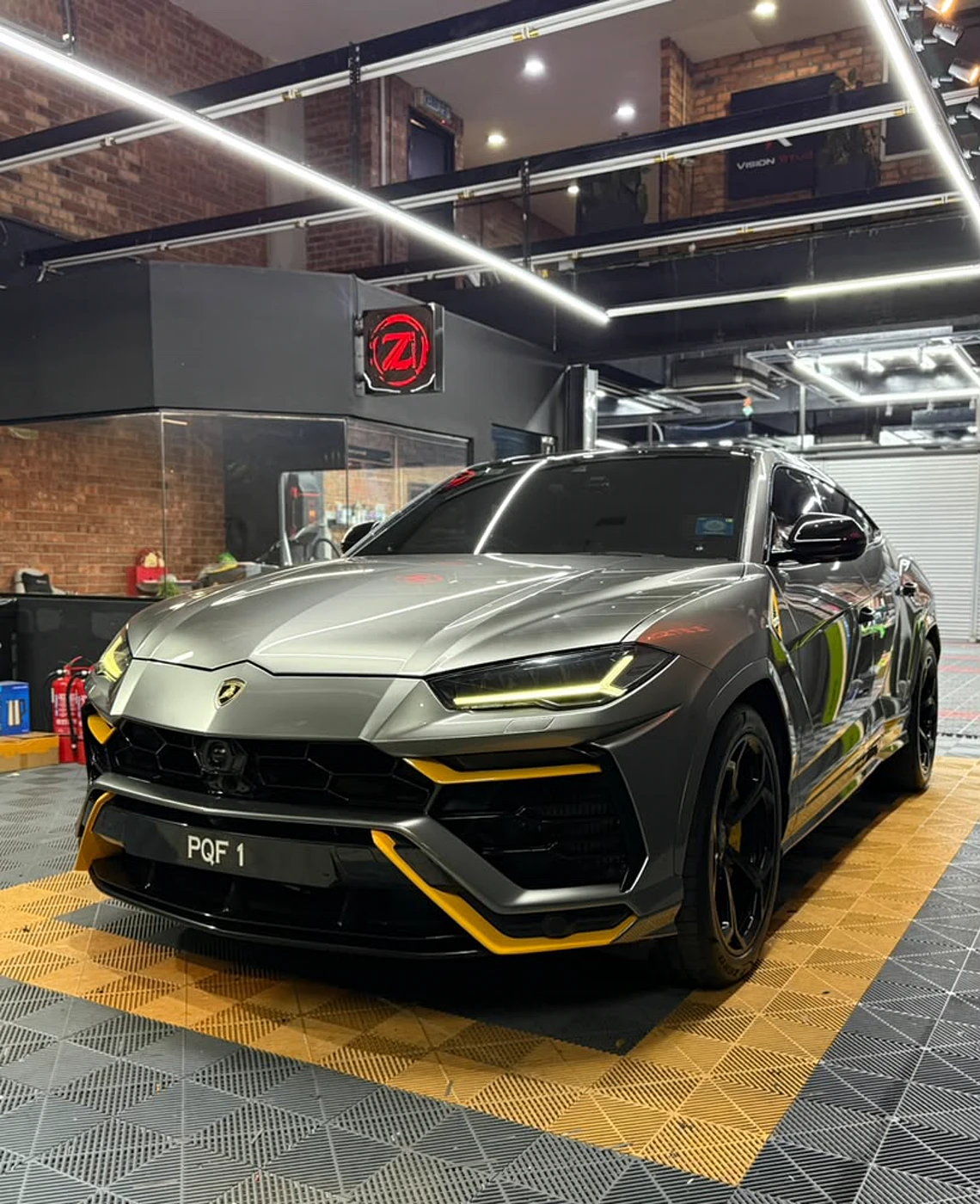
Z-Sticker is based in Taman Sentosa, Klang, Selangor, and we’ll always give you an honest recommendation between ceramic coating, PPF, or both based on what you actually need. WhatsApp us at +60 16-343 8343.